 EN
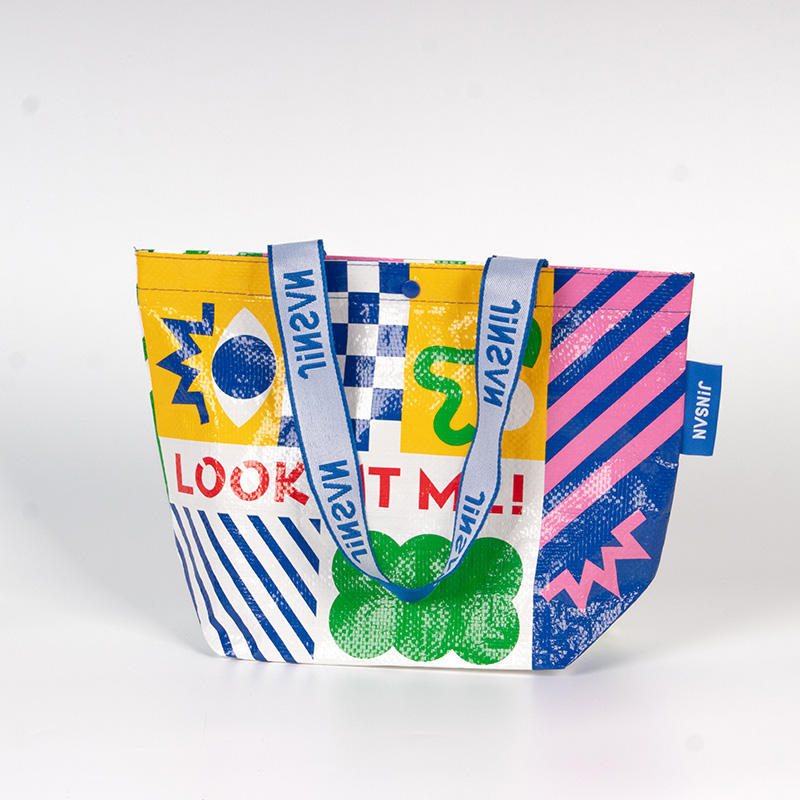
The shift toward sustainability in packaging has become a business imperative rather than a marketing trend. Organizations across retail, logistics, agriculture, and consumer goods sectors are recognizing that eco friendly pp woven bags offer a practical pathway to reduce environmental impact while maintaining operational efficiency. These bags combine durability, cost-effectiveness, and genuine environmental advantages, making them an attractive alternative to single-use plastics and traditional packaging materials. Understanding how to properly adopt eco friendly pp woven bags requires knowledge of their specifications, selection criteria, implementation logistics, and long-term business value.
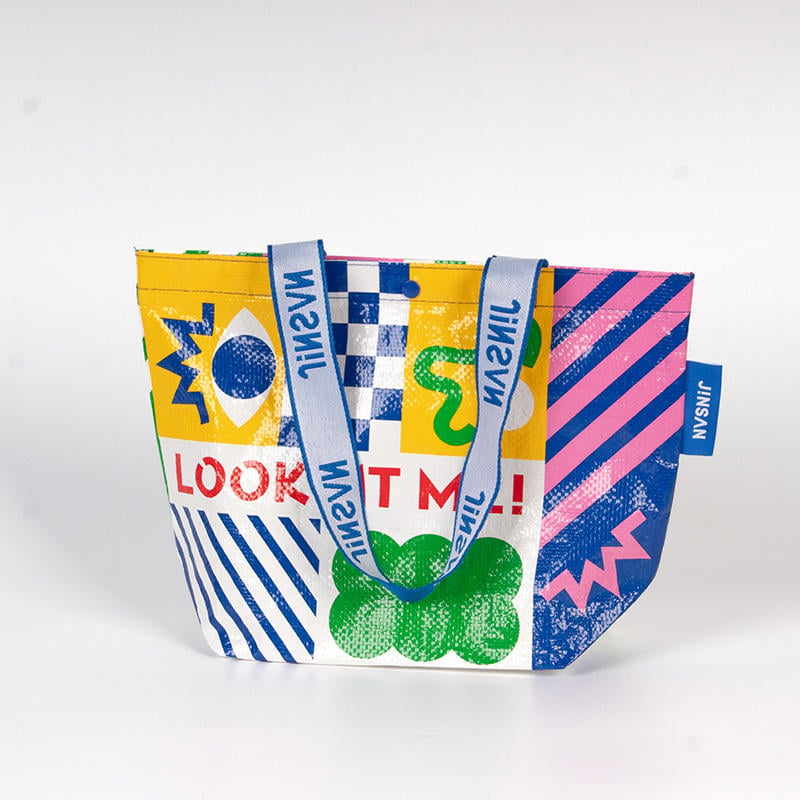
Making the transition to eco friendly pp woven bags is not simply about replacing one product with another. It demands strategic planning around volume requirements, customization needs, supply chain integration, and stakeholder communication. Businesses that successfully adopt eco friendly pp woven bags report improved brand positioning, reduced waste disposal costs, and stronger alignment with customer sustainability expectations. This guide walks through the essential considerations and practical steps for integrating eco friendly pp woven bags into your operations.
Understanding Eco Friendly PP Woven Bags and Their Core Benefits
What Makes PP Woven Materials Environmentally Responsible
Polypropylene woven bags represent a middle-ground sustainability solution. Unlike virgin plastics created from petroleum, eco friendly pp woven bags are increasingly manufactured using recycled polypropylene feedstock, which diverts waste from landfills and reduces the energy intensity of production. The woven structure itself provides superior strength-to-weight ratio compared to traditional plastic films, meaning businesses can use less material while achieving greater durability. When eco friendly pp woven bags reach end-of-life, they remain recyclable through established plastic waste streams, extending their circular economy potential.
Business and Environmental Advantages
Organizations adopting eco friendly pp woven bags experience multiple concurrent benefits. First, eco friendly pp woven bags reduce per-unit packaging costs at scale because their durability means fewer replacements and lower waste management expenses. Second, eco friendly pp woven bags support corporate sustainability commitments, appealing to environmentally conscious consumers and stakeholders. Third, eco friendly pp woven bags are lighter than paper or cardboard alternatives, reducing transportation emissions and fuel costs. Fourth, eco friendly pp woven bags can be branded, printed, and customized, serving as mobile marketing assets that reinforce brand messaging throughout supply chains and at retail points.
Strategic Planning for Eco Friendly PP Woven Bag Adoption
Assessing Your Organization's Packaging Requirements
Before committing to eco friendly pp woven bags, audit your current packaging use patterns. Calculate total annual volume across product categories, document size variations, weight specifications, and functional requirements. Determine whether eco friendly pp woven bags suit your primary packaging needs or whether they fit specific use cases such as bulk distribution, promotional giveaways, or reusable customer takeaway vessels. Analyze seasonal demand fluctuations, storage constraints, and handling environments to ensure eco friendly pp woven bags deliver the durability and protection your operations demand. This baseline assessment prevents costly adoption missteps and ensures eco friendly pp woven bags align with genuine operational needs.
Establishing Supplier Relationships and Customization Parameters
Sourcing quality eco friendly pp woven bags requires vetting suppliers on material composition, manufacturing certifications, and production capacity. Request samples of eco friendly pp woven bags to evaluate weight capacity, seam integrity, handle durability, and printing quality. Specify whether eco friendly pp woven bags should incorporate recycled content percentages, color requirements, logo placement, and barcode integration. Lead times for eco friendly pp woven bags typically range from four to eight weeks depending on customization complexity, so align procurement schedules with inventory projections. Negotiate minimum order quantities that match your usage patterns, and establish quality control protocols that verify each shipment of eco friendly pp woven bags meets structural and environmental specifications before deployment.
Implementation and Organizational Transition
Managing Inventory Transition and Stakeholder Communication
Phasing in eco friendly pp woven bags requires coordinated timing across procurement, operations, and customer-facing teams. Develop a transition timeline that depletes existing packaging stock before introducing eco friendly pp woven bags to avoid waste and excess inventory. Communicate adoption rationale to logistics teams, retail partners, and end customers, emphasizing eco friendly pp woven bags' durability, reusability, and environmental advantages. Train warehouse and fulfillment staff on eco friendly pp woven bags' unique handling characteristics, storage protocols, and proper stacking methods to prevent material degradation. Create clear labeling and instructional materials that encourage customers to reuse eco friendly pp woven bags rather than discarding them after first use.
Measuring Impact and Continuous Improvement
Establish baseline metrics before deploying eco friendly pp woven bags, including current waste volumes, packaging costs per unit, and carbon footprint attributable to packaging. After adoption, track reuse rates among customers, recovery percentages if offering take-back programs, and cost savings from extended bag lifecycles. Monitor customer feedback regarding eco friendly pp woven bags' durability, functionality, and perceived value to identify refinement opportunities. Calculate total cost of ownership for eco friendly pp woven bags versus previous materials, factoring in reuse frequency, replacement rates, and storage expenses. Use these measurements to justify continued investment, identify optimization areas, and communicate sustainability progress to stakeholders and the public.
FAQ
How long do eco friendly pp woven bags typically last in regular use?
Quality eco friendly pp woven bags can withstand 50 to 200+ reuse cycles depending on contents, handling intensity, and storage conditions. Durable woven construction resists punctures, tears, and seam separation far better than single-layer plastic films. Proper care—such as regular cleaning and dry storage—extends eco friendly pp woven bags' functional lifespan significantly, making them cost-effective over time despite higher initial purchase prices than disposable alternatives.
Can eco friendly pp woven bags be customized with company branding?
Yes, eco friendly pp woven bags support full customization including screen printing, digital printing, embroidery, and label attachment. Full-color CMYK printing on eco friendly pp woven bags delivers professional branding suitable for retail display, promotional distribution, or corporate gifting. Custom sizing, handle styles, and compartment designs further differentiate eco friendly pp woven bags to match specific use cases and brand aesthetics.
Are eco friendly pp woven bags genuinely recyclable after they wear out?
Eco friendly pp woven bags made from polypropylene remain recyclable through standard plastic waste streams, though acceptance varies by local recycling facility. To maximize end-of-life recovery, partner with specialized plastic recycling programs or establish take-back initiatives where customers return worn eco friendly pp woven bags for processing. This ensures eco friendly pp woven bags complete circular lifecycle loops rather than entering landfills, amplifying their sustainability advantage over virgin plastic or single-use alternatives.