 EN
EN
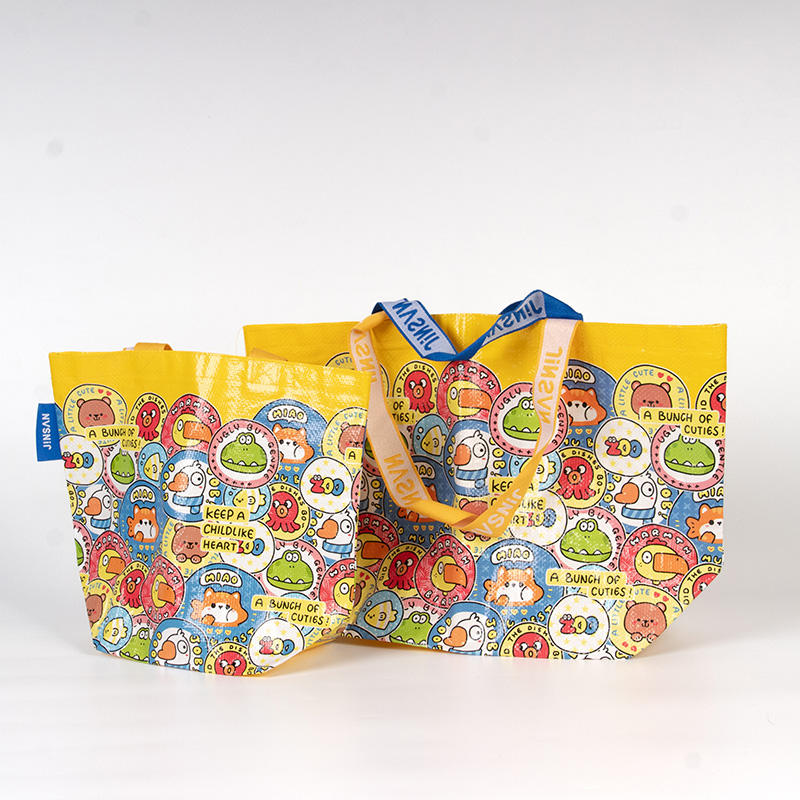
When businesses and consumers seek sustainable packaging solutions, eco friendly PP woven bags emerge as a leading contender in the market. These polypropylene-based bags offer a compelling combination of durability, reusability, and environmental responsibility that distinguishes them from traditional packaging alternatives. Understanding how eco friendly PP woven bags compare against other options becomes crucial for making informed purchasing decisions that align with both sustainability goals and practical requirements.
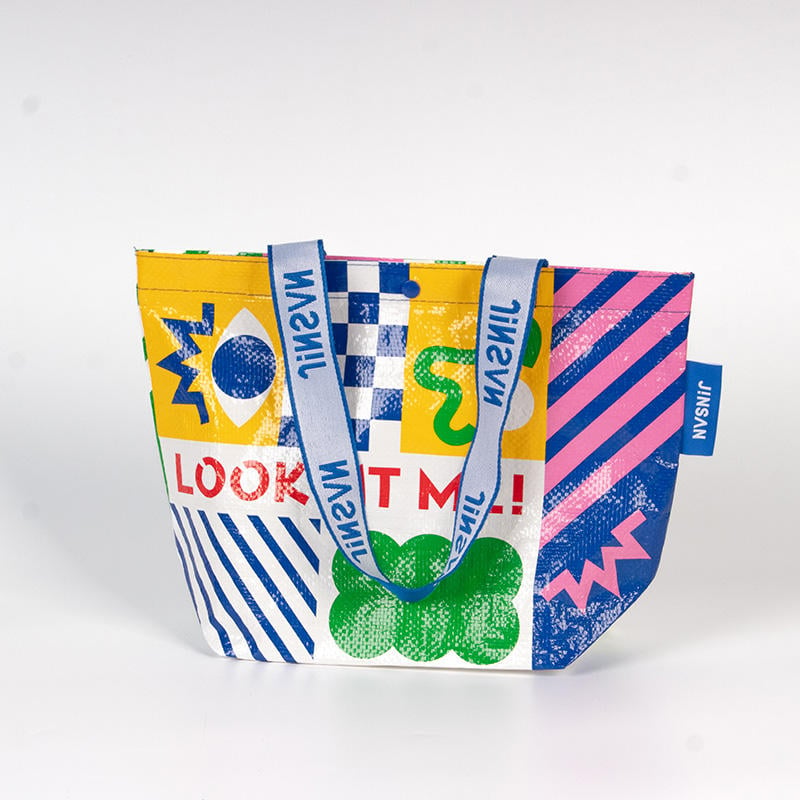
The comparison between eco friendly PP woven bags and alternative packaging solutions reveals significant differences in environmental impact, cost effectiveness, and performance characteristics. While traditional materials like paper, cotton, and plastic each offer unique advantages, the specific properties of polypropylene woven construction create distinct benefits that merit careful consideration. This comprehensive analysis examines how eco friendly PP woven bags stack up against major alternatives across multiple evaluation criteria.
Environmental Impact Comparison
Carbon Footprint Analysis
Eco friendly PP woven bags demonstrate a favorable carbon footprint when compared to many traditional alternatives. The manufacturing process for polypropylene requires less energy than cotton production, which demands significant water resources and agricultural inputs. Studies indicate that eco friendly PP woven bags generate approximately 60% fewer carbon emissions during production compared to cotton bags of equivalent strength and capacity.
Paper bags, while biodegradable, often require more energy-intensive manufacturing processes involving chemical pulping and bleaching. The production of paper alternatives typically generates higher immediate carbon emissions, though they biodegrade more rapidly at end-of-life. Eco friendly PP woven bags offset their manufacturing emissions through extended use cycles, often serving hundreds of applications before requiring replacement.
Traditional plastic bags create lower manufacturing emissions but contribute significantly to environmental pollution due to single-use disposal patterns. The reusability factor of eco friendly PP woven bags fundamentally changes the environmental equation, as each bag can replace hundreds of single-use alternatives throughout its service life.
Waste Reduction Potential
The waste reduction capabilities of eco friendly PP woven bags surpass most alternative packaging solutions through superior durability and reuse potential. Unlike paper bags that typically survive only a few uses before degrading, polypropylene woven construction maintains structural integrity through hundreds of use cycles. This longevity directly translates to reduced waste generation compared to alternatives requiring frequent replacement.
Cotton bags offer similar reusability but require significantly more uses to offset their higher environmental production cost. Research suggests cotton alternatives need approximately 130 uses to achieve environmental parity, while eco friendly PP woven bags reach this threshold within 10-15 uses. The practical durability advantages of polypropylene construction make achieving this use threshold more realistic for typical consumer applications.
Biodegradable alternatives like jute or hemp bags present interesting waste profiles but often lack the moisture resistance and structural strength needed for diverse applications. Eco friendly PP woven bags provide consistent performance across varied environmental conditions, supporting extended use patterns that maximize waste reduction benefits.
Performance and Durability Characteristics
Strength and Load Capacity
The structural performance of eco friendly PP woven bags consistently exceeds that of paper and traditional plastic alternatives. Polypropylene woven construction creates a fabric-like material capable of supporting weights up to 50 pounds without tearing or structural failure. This capacity significantly surpasses paper bags, which typically fail at loads exceeding 10-15 pounds, especially when exposed to moisture.
Cotton canvas bags offer comparable strength characteristics but at higher production costs and environmental impact. The woven polypropylene structure provides similar tensile strength while maintaining lighter weight, creating better strength-to-weight ratios for transportation efficiency. This performance advantage becomes particularly relevant for commercial applications requiring reliable load-bearing capacity.
Traditional plastic film bags lack the structural integrity needed for heavy or sharp items, often developing tears that compromise functionality. Eco friendly PP woven bags resist punctures and tears through their woven construction, maintaining performance integrity even when carrying challenging loads like hardware, books, or packaged goods.
Weather and Chemical Resistance
Weather resistance represents a crucial performance differentiator where eco friendly PP woven bags excel compared to organic alternatives. Paper bags become unusable when exposed to moisture, limiting their application in varied environmental conditions. Cotton bags, while more resilient than paper, can develop mold or odors when repeatedly exposed to dampness without proper drying.
The polypropylene material used in eco friendly PP woven bags provides inherent moisture resistance without compromising breathability. This characteristic enables consistent performance across seasons and climates, supporting year-round applications that would compromise paper or natural fiber alternatives. The material maintains dimensional stability through temperature variations, preventing the warping or weakening common in other materials.
Chemical resistance further distinguishes eco friendly PP woven bags from alternatives when carrying products with strong scents, oils, or cleaning agents. The non-porous surface prevents absorption of odors or stains that would permanently compromise cotton or paper alternatives, extending useful service life through varied applications.
Cost Analysis and Economic Comparison
Initial Investment Costs
The upfront cost structure of eco friendly PP woven bags positions them competitively against premium alternatives while offering superior value compared to single-use options. Initial purchase prices typically exceed paper or thin plastic bags but remain significantly lower than canvas or leather alternatives with comparable durability characteristics.
Manufacturing economies of scale make eco friendly PP woven bags increasingly cost-effective for bulk purchasers, with unit costs decreasing substantially for orders exceeding 1,000 pieces. This pricing advantage becomes particularly relevant for retailers seeking branded packaging solutions that balance sustainability messaging with budget constraints.
Custom printing and design options for eco friendly PP woven bags often cost less than equivalent customization for cotton or canvas alternatives, providing branding opportunities at accessible price points. The material accepts various printing techniques, from screen printing to heat transfer, without requiring specialized equipment or processes that increase production costs.
Long-term Value Assessment
The extended service life of eco friendly PP woven bags creates compelling long-term value propositions when compared to alternatives requiring frequent replacement. Cost-per-use calculations demonstrate significant advantages over single-use alternatives, with break-even points typically achieved within weeks of regular use.
Maintenance requirements for eco friendly PP woven bags remain minimal compared to cotton alternatives that may require special washing procedures or treatments to maintain appearance and hygiene. Simple cleaning with standard detergents maintains performance and appearance through hundreds of use cycles, avoiding the replacement costs associated with degraded alternatives.
Business applications benefit from the consistent performance characteristics of eco friendly PP woven bags, which reduce replacement frequency and inventory management complexity compared to alternatives with shorter service lives or variable performance under different conditions.
Application Suitability and Versatility
Retail and Commercial Applications
Retail environments favor eco friendly PP woven bags for their combination of professional appearance, durability, and environmental messaging. Unlike paper bags that may fail during transport or cotton bags that require higher initial investments, polypropylene woven alternatives provide reliable performance while supporting sustainability initiatives.
The customization capabilities of eco friendly PP woven bags exceed those of many alternatives, supporting detailed branding requirements through high-quality printing processes. Retailers can achieve professional presentation standards while maintaining cost effectiveness compared to premium alternatives like canvas or leather promotional bags.
Grocery and food retail applications particularly benefit from the moisture resistance and easy cleaning characteristics of eco friendly PP woven bags. These properties address hygiene concerns that limit the reusability of paper alternatives while providing the durability needed for repeated shopping trips carrying varied product types.
Industrial and Specialized Uses
Industrial applications often require performance characteristics that favor eco friendly PP woven bags over gentler alternatives like paper or natural fibers. The chemical resistance and structural integrity of polypropylene construction supports applications involving oils, solvents, or abrasive materials that would quickly compromise organic alternatives.
Agricultural and horticultural uses benefit from the UV resistance and weather tolerance of eco friendly PP woven bags compared to paper alternatives that deteriorate rapidly in outdoor conditions. The material maintains flexibility and strength through temperature variations, supporting seasonal applications where other materials might become brittle or weak.
Transportation and logistics applications favor eco friendly PP woven bags for their consistent performance characteristics and resistance to handling damage. The material withstands the mechanical stresses of automated sorting and handling systems better than paper alternatives while providing better load distribution than thin plastic films.
FAQ
How do eco friendly PP woven bags compare to canvas bags in terms of environmental impact?
Eco friendly PP woven bags typically have a lower environmental impact than canvas bags due to reduced water and energy requirements during manufacturing. While canvas bags offer biodegradability advantages, eco friendly PP woven bags require fewer uses to offset their production impact and provide superior durability for extended service life, often resulting in better overall environmental performance through practical use patterns.
Are eco friendly PP woven bags more cost-effective than paper bags for business use?
Yes, eco friendly PP woven bags prove more cost-effective than paper bags for most business applications due to their reusability and durability. While initial costs are higher, the ability to use each bag hundreds of times creates substantial cost savings compared to single-use paper alternatives. Businesses also benefit from reduced inventory management and replacement frequency.
Can eco friendly PP woven bags handle wet or oily products as well as plastic alternatives?
Eco friendly PP woven bags handle wet and oily products more effectively than traditional plastic film bags due to their woven construction and inherent chemical resistance. The material prevents absorption of liquids and odors while maintaining structural integrity, making them suitable for applications where standard plastic bags might tear or fail under load.
How long do eco friendly PP woven bags last compared to other reusable bag alternatives?
Eco friendly PP woven bags typically last 2-3 years with regular use, significantly longer than paper alternatives but comparable to well-maintained cotton bags. The polypropylene material resists wear, moisture damage, and UV degradation better than natural fiber alternatives, often maintaining functionality and appearance through 200-500 use cycles depending on application demands and care practices.
Table of Contents
- Environmental Impact Comparison
- Performance and Durability Characteristics
- Cost Analysis and Economic Comparison
- Application Suitability and Versatility
-
FAQ
- How do eco friendly PP woven bags compare to canvas bags in terms of environmental impact?
- Are eco friendly PP woven bags more cost-effective than paper bags for business use?
- Can eco friendly PP woven bags handle wet or oily products as well as plastic alternatives?
- How long do eco friendly PP woven bags last compared to other reusable bag alternatives?