
 EN
EN

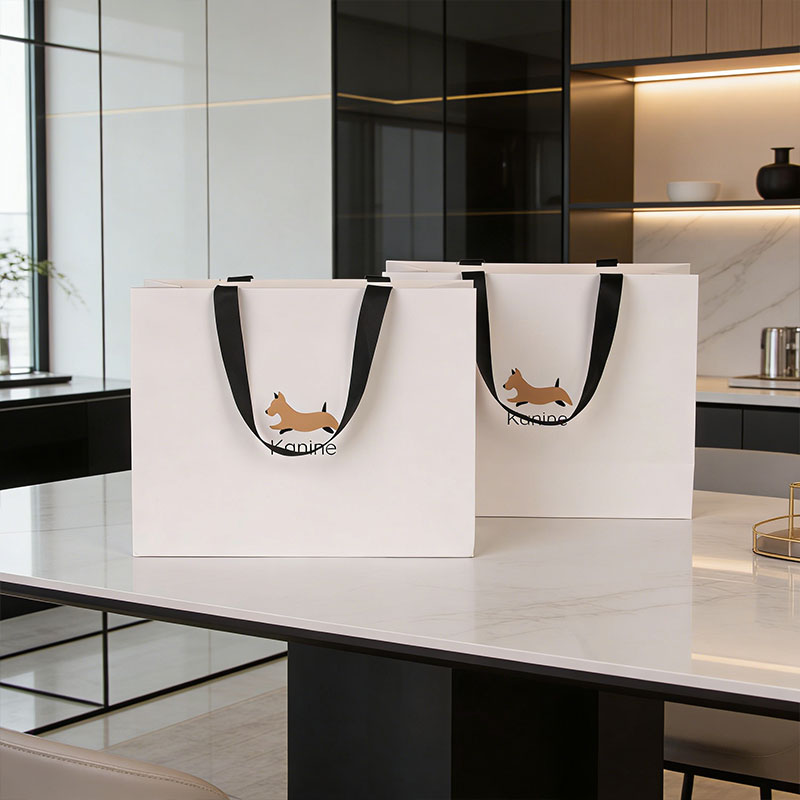
The moment a customer receives a shopping bag at checkout, a crucial psychological exchange occurs that extends far beyond simple product transportation. This seemingly mundane retail accessory serves as a powerful brand ambassador, silently communicating quality standards, environmental consciousness, and brand positioning to every individual who encounters it. Understanding how shopping bag design, material quality, and visual presentation directly influence customer perception has become essential for retailers seeking to maximize their brand impact and customer satisfaction levels.
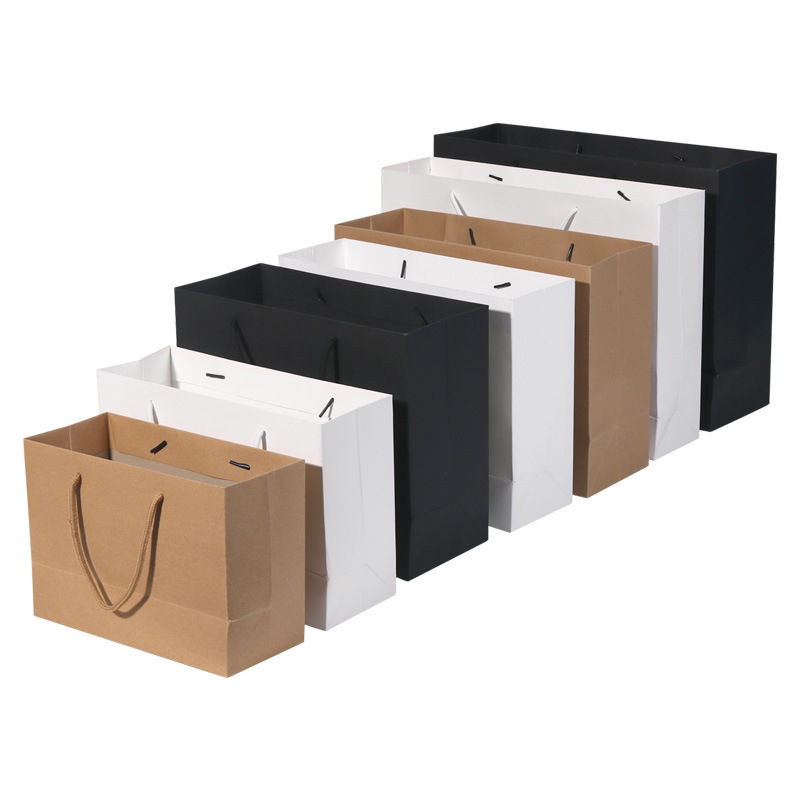
Research consistently demonstrates that customers form immediate judgments about retail brands based on the quality and design of their shopping bag presentation. The tactile experience of handling a well-constructed shopping bag creates positive associations with the retailer's attention to detail and commitment to customer experience. This connection between packaging quality and brand perception explains why successful retailers invest significantly in shopping bag design and material selection, recognizing that these elements directly impact customer loyalty and word-of-mouth marketing effectiveness.
Psychological Impact of Shopping Bag Quality on Brand Perception
Material Quality Creates Immediate Tactile Impressions
The texture and durability of a shopping bag material instantly communicate brand values to customers through tactile feedback. Premium retailers understand that customers associate smooth, substantial paper or high-quality fabric bags with superior product quality and attention to detail. When customers handle a sturdy, well-constructed shopping bag, their subconscious perception of the retailer's quality standards increases significantly, creating a positive halo effect that extends to all products within the store.
Conversely, thin, flimsy shopping bags that tear easily or feel cheap to the touch can damage brand perception even when the products themselves are of high quality. This material quality assessment happens within seconds of contact, making the shopping bag one of the fastest brand impression tools in the retail environment. Smart retailers recognize that investing in quality shopping bag materials represents a cost-effective method of reinforcing premium brand positioning throughout the customer journey.
Visual Design Elements Reinforce Brand Identity
The visual presentation of a shopping bag serves as a mobile billboard that extends brand visibility far beyond the store environment. Color schemes, typography, and logo placement on shopping bags create consistent brand recognition opportunities that strengthen customer memory and association patterns. When designed thoughtfully, a shopping bag becomes an extension of the store's visual identity, reinforcing brand messaging every time the customer sees or uses the bag.
Professional shopping bag design incorporates strategic color psychology principles that align with target customer demographics and brand personality. Luxury retailers often choose minimalist designs with elegant typography, while family-oriented stores might opt for vibrant colors and playful graphics. This visual alignment between shopping bag design and brand identity creates subconscious reinforcement of brand values and positioning in customer minds.
Environmental Messaging Through Shopping Bag Material Choices
Sustainable Materials Communicate Corporate Responsibility
Modern consumers increasingly evaluate retail brands based on their environmental consciousness, making shopping bag material selection a critical component of brand perception management. Recyclable paper bags, biodegradable materials, or reusable fabric options signal to environmentally aware customers that the retailer shares their values and commitment to sustainability. This alignment between customer values and retailer practices creates emotional connections that extend beyond transactional relationships.
The messaging printed on eco-friendly shopping bags amplifies this environmental positioning, with phrases about recyclability or sustainability goals reinforcing the retailer's commitment to responsible business practices. Customers who receive these environmentally conscious shopping bags often perceive the brand as forward-thinking and socially responsible, attributes that increasingly influence purchasing decisions and brand loyalty among younger demographic groups.
Material Innovation Demonstrates Brand Leadership
Retailers who adopt innovative shopping bag materials or production methods position themselves as industry leaders and early adopters of positive change. Whether through biodegradable plastics, recycled content, or novel sustainable materials, these choices communicate that the brand invests in research and development while prioritizing customer and environmental welfare. This perception of innovation leadership can differentiate retailers in competitive markets where product offerings may be similar.
The tactile and visual uniqueness of innovative shopping bag materials creates memorable customer experiences that generate conversations and social sharing opportunities. When customers encounter unexpectedly pleasant or interesting shopping bag designs, they often share these experiences with others, creating organic marketing opportunities that extend brand reach and positive associations through authentic customer recommendations.
Shopping Bag Functionality and Customer Experience Correlation
Practical Design Features Enhance Usability Perception
The functional design of shopping bags directly impacts customer satisfaction and perception of retailer thoughtfulness. Features like reinforced handles, appropriate sizing for typical purchases, and secure closure mechanisms demonstrate that the retailer understands and anticipates customer needs. When shopping bags perform reliably during transport, customers associate this functionality with the retailer's overall competence and customer service quality.
Poorly designed shopping bags that break, lack adequate handles, or prove difficult to carry create negative experiences that customers remember and associate with the retailer. These functional failures can overshadow positive shopping experiences and create lasting negative impressions about the brand's attention to customer needs. Successful retailers invest in shopping bag testing and design optimization to ensure consistent positive functionality that supports overall customer satisfaction.
Size Appropriateness Reflects Customer Understanding
The availability of appropriate shopping bag sizes for different purchase volumes demonstrates retailer understanding of customer shopping patterns and needs. Customers appreciate when retailers offer small bags for minimal purchases and larger options for substantial shopping trips, as this sizing flexibility shows consideration for practical customer requirements. This thoughtful approach to shopping bag sizing contributes to overall customer satisfaction and perception of retailer competence.
Retailers who consistently provide appropriately sized shopping bags create positive associations with customer service quality and attention to detail. Conversely, customers who receive oversized bags for small purchases or inadequately sized bags for larger purchases may perceive the retailer as wasteful or inconsiderate. This sizing consideration extends to handle design, bag depth, and overall proportions that affect carrying comfort and convenience.
Social Status and Shopping Bag Brand Association
Luxury Shopping Bags as Status Symbols
High-end retailers understand that their shopping bags function as status symbols that customers display proudly in public settings. The quality, design, and brand recognition associated with luxury shopping bags contribute to customer self-expression and social positioning. When customers carry recognizable luxury shopping bags, they communicate their purchasing power and taste preferences to others, creating social validation opportunities that enhance the overall shopping experience value.
The psychological reward of carrying a prestigious shopping bag can influence customer loyalty and repeat purchase behavior. Customers may choose specific retailers partially because they value the social recognition associated with the brand's shopping bag design and reputation. This social dimension of shopping bag impact extends the retailer's influence beyond the immediate transaction into ongoing brand advocacy and social marketing opportunities.
Brand Recognition Through Shopping Bag Visibility
Shopping bags serve as mobile advertising platforms that extend brand visibility throughout communities and social networks. When customers carry distinctive shopping bags in public spaces, they create brand exposure opportunities that reach potential customers organically. This visibility factor makes shopping bag design an important component of broader marketing strategy, as well-designed bags generate ongoing brand awareness without additional advertising costs.
The memorability of shopping bag designs directly correlates with their effectiveness as brand recognition tools. Unique colors, distinctive typography, or memorable graphics help shopping bags stand out in crowded environments and create lasting impressions on observers. Retailers who invest in distinctive shopping bag designs often discover that these mobile brand ambassadors generate inquiries and interest from potential customers who encounter the bags in various social settings.
Cultural and Demographic Considerations in Shopping Bag Impact
Age Group Preferences Influence Shopping Bag Effectiveness
Different customer age groups respond differently to various shopping bag styles, materials, and messaging approaches. Younger consumers often prioritize environmental sustainability and innovative designs, while older customers may value traditional aesthetics and proven durability. Understanding these demographic preferences allows retailers to optimize shopping bag selection for their primary customer base while considering secondary market appeal.
The effectiveness of shopping bag marketing messages varies significantly across age demographics, with younger consumers responding positively to social media hashtags and sustainability messaging, while older customers may prefer classic branding approaches and quality emphasis. Retailers serving diverse age groups often develop multiple shopping bag options or seasonal variations that appeal to different demographic segments while maintaining overall brand consistency.
Cultural Values Reflected in Shopping Bag Preferences
Regional and cultural differences significantly influence customer expectations and preferences regarding shopping bag design, materials, and functionality. Understanding local cultural values helps retailers select shopping bag approaches that resonate positively with their specific customer communities. This cultural alignment extends to color symbolism, design aesthetics, and messaging tone that reflects local preferences and avoids potential cultural sensitivities.
Successful international retailers often adapt their shopping bag designs to reflect regional cultural preferences while maintaining core brand identity elements. This localization strategy demonstrates respect for local customs and values while ensuring that shopping bags contribute positively to brand perception across diverse cultural contexts. The investment in culturally appropriate shopping bag design often yields significant returns through improved customer acceptance and brand affinity.
FAQ
How long do customers typically keep and reuse retail shopping bags?
Customer retention of shopping bags varies significantly based on material quality and design appeal, with high-quality paper bags often kept for 2-3 weeks for secondary uses, while premium fabric or reusable bags may be retained for months or years. The perceived value and aesthetic appeal of the shopping bag directly correlates with retention duration, making quality investment worthwhile for extended brand exposure.
What psychological factors make some shopping bag designs more memorable than others?
Shopping bag memorability depends primarily on visual contrast, unique tactile experiences, and emotional association creation. Distinctive color combinations, unusual materials, or unexpected design elements create stronger memory formation than generic approaches. Additionally, shopping bags that evoke positive emotions through clever messaging or beautiful aesthetics tend to generate lasting positive brand associations in customer memory.
Do customers actually notice shopping bag quality differences during busy shopping periods?
Research indicates that customers register shopping bag quality subconsciously even during rushed shopping experiences, with tactile feedback and visual impressions creating immediate brand perception adjustments. While customers may not consciously analyze shopping bag details during busy periods, the quality differences still influence their overall satisfaction and future brand preference decisions through subconscious processing.
How does shopping bag quality impact customer willingness to recommend a store to others?
High-quality shopping bags contribute to overall customer satisfaction scores and significantly increase likelihood of positive word-of-mouth recommendations. Customers who receive impressive shopping bags often mention this detail when describing positive shopping experiences to friends and family, while poor-quality bags can detract from otherwise satisfactory shopping experiences and reduce recommendation probability.
Table of Contents
- Psychological Impact of Shopping Bag Quality on Brand Perception
- Environmental Messaging Through Shopping Bag Material Choices
- Shopping Bag Functionality and Customer Experience Correlation
- Social Status and Shopping Bag Brand Association
- Cultural and Demographic Considerations in Shopping Bag Impact
-
FAQ
- How long do customers typically keep and reuse retail shopping bags?
- What psychological factors make some shopping bag designs more memorable than others?
- Do customers actually notice shopping bag quality differences during busy shopping periods?
- How does shopping bag quality impact customer willingness to recommend a store to others?