
 EN
EN

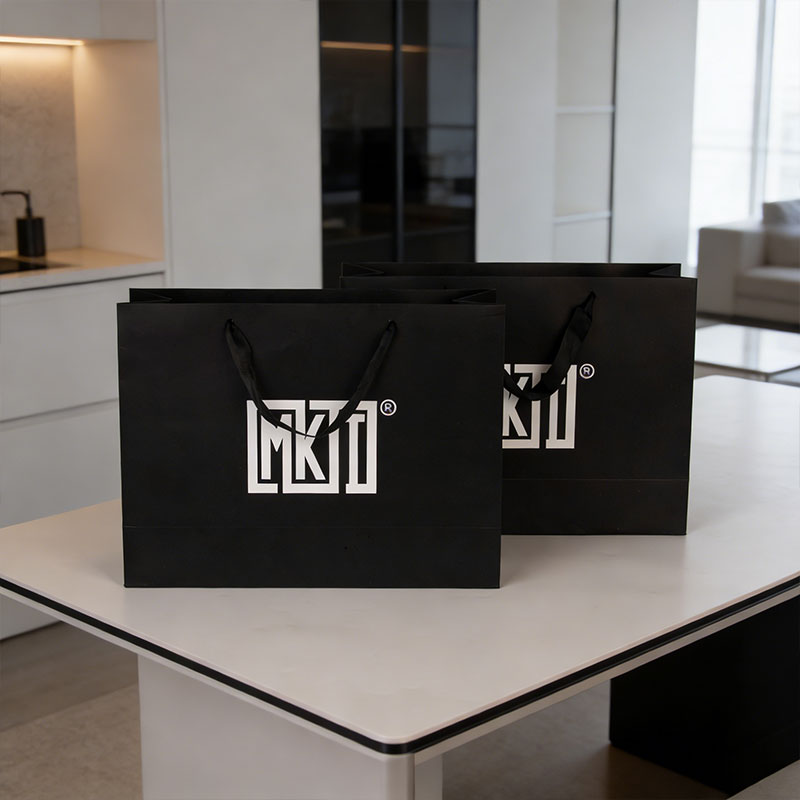
Białe papierowe torebki prezentowe stanowią jedno z najbardziej uniwersalnych i opłacalnych rozwiązań opakowaniowych dostępnych obecnie dla detaliczników. Te czyste, profesjonalnie wyglądające torebki dają przedsiębiorstwom możliwość podniesienia jakości prezentacji marki przy jednoczesnym zachowaniu operacji w granicach przyjętego budżetu. Zrozumienie różnych aspektów związanych z białymi papierowymi torebkami prezentowymi pozwala detaliczniom podejmować świadome decyzje dotyczące strategii opakowaniowych oraz wdrażania działań mających na celu poprawę doświadczenia klienta.
Krajobraz detaliczny wymaga rozwiązań opakowaniowych, które zapewniają równowagę między funkcjonalnością, estetyką i efektywnością ekonomiczną. Biały papierowe torby prezentowe stały się popularnym wyborem wśród detaliści poszukujących atrakcyjnych i trwałych opakowań dla klientów, które pozytywnie oddziałują na wizerunek ich marki. Torby te pełnią wiele funkcji wykraczających poza proste przechowywanie produktów – działają jako narzędzia marketingowe, zwiększają satysfakcję klientów oraz stanowią ekologiczne alternatywy dla tradycyjnych opakowań, odpowiadające oczekiwaniom współczesnych konsumentów.
Skład materiałowy i jakość wykonania
Gatunek i gramatura papieru
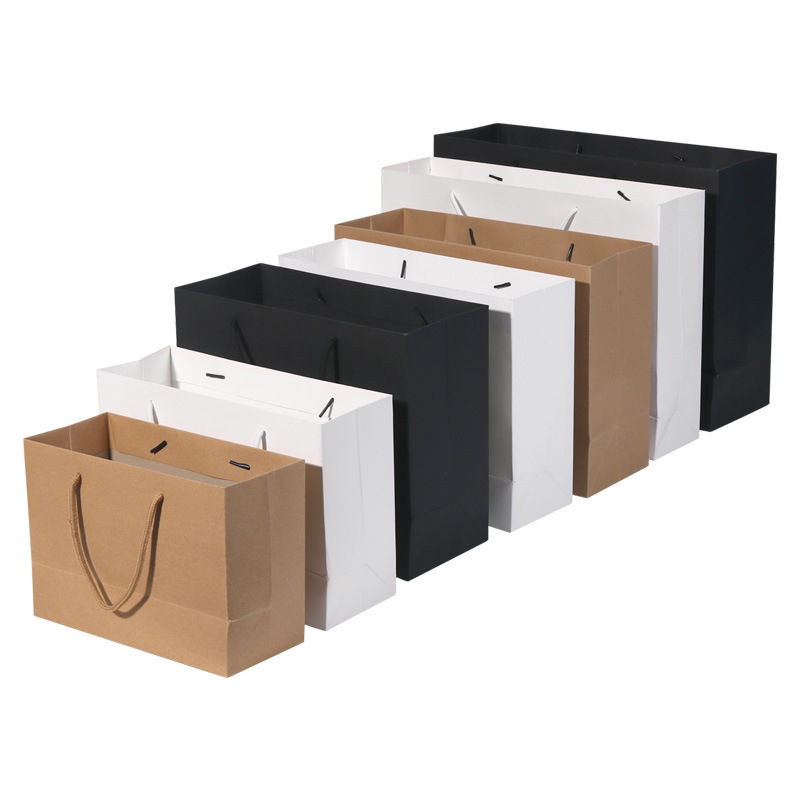
Podstawą skutecznych białych papierowych toreb prezentowych jest ich skład materiałowy oraz jakość wykonania. Większość detaliści napotyka torby produkowane z papieru kraftowego o gramaturze od 120 do 200 g/m² (gramów na metr kwadratowy), przy czym wyższa gramatura oznacza większą trwałość i nośność. Gatunek papieru ma bezpośredni wpływ na zdolność torby do wytrzymywania obciążenia, wilgoci oraz wielokrotnego użytkowania w warunkach sklepowych.
Zrozumienie specyfikacji papieru staje się kluczowe, gdy detaliści oceniają swoje zapotrzebowanie na zapasy. Białe papierowe torby prezentowe wykonane z masy celulozowej pochodzącej z drewna świeżego zwykle zapewniają wyższą wytrzymałość i lepszy wygląd w porównaniu do alternatyw z recyklingu, choć obie opcje skutecznie obsługują różne segmenty rynku. Poziom bieli papieru, mierzony w skali od 1 do 100, wpływa na końcowy wygląd oraz jakość druku przy nanoszeniu niestandardowych elementów brandingowych.
Obróbka powierzchni białych papierowych toreb prezentowych może znacząco wpływać na ich właściwości użytkowe. Powłoki matowe zapewniają doskonałą nadrukowalność i elegancki wygląd, podczas gdy powłoki połyskujące oferują zwiększoną odporność na wilgoć oraz żywsze odtwarzanie kolorów. Detaliści muszą uwzględnić swoje konkretne przypadki użycia przy wyborze jednej z tych metod obróbki powierzchni.
Konstrukcja uchwytów i metody ich mocowania
Projekt uchwytów stanowi kluczowy element białych papierowych toreb prezentowych, który bezpośrednio wpływa na doświadczenie klienta i wytrzymałość toreb. Skręcone papierowe uchwyty oferują ekonomiczne rozwiązanie odpowiednie dla lekkich przedmiotów, podczas gdy sznurkowe uchwyty zapewniają zwiększoną wytrzymałość i prestiżowy wygląd, który przyciąga wysokiej klasy detaliczników. Metoda mocowania, czy to poprzez przebite otwory z naklejkami wzmacniającymi, czy też montażu klejowego, decyduje o nośności toreb.
Profesjonalne białe papierowe torebki prezentowe często zawierają wzmocnione punkty mocowania uchwytów, które równomiernie rozprowadzają ciężar po całej strukturze torebki. To zagadnienie inżynieryjne staje się szczególnie istotne dla sklepów detalicznych sprzedających cięższe towary lub dążących do oferowania klientom wielokrotnie używanych opakowań. Długość i szerokość uchwytów wpływają również na komfort użytkownika oraz łatwość przenoszenia torebki – czynniki te mają bezpośredni wpływ na ogólną satysfakcję klientów.
Detaliści powinni ocenić trwałość uchwytów poprzez praktyczne testy, uwzględniając typowe obciążenia wagowe, które będą przenosić ich klienci, oraz oczekiwane wzorce użytkowania. Bilety na prezent w białej kopercie z dobrze zaprojektowanymi systemami uchwytów mogą one wytrzymać wielokrotne użytkowanie, zachowując przy tym profesjonalny wygląd przez cały czas trwania doświadczenia klienta.
Możliwości personalizacji i branding
Metody drukowania i elastyczność projektowa
Możliwości personalizacji wyróżniają białe papierowe torby prezentowe jako skuteczne narzędzia marketingowe dla detalistów dążących do wzmocnienia obecności swojej marki. Druk sitowy zapewnia doskonałą trwałość i żywe odtwarzanie kolorów w przypadku prostych projektów z ograniczoną paletą barw, co czyni go idealnym rozwiązaniem do nadruku logo, tekstu oraz podstawowych grafik. Druk cyfrowy oferuje większą elastyczność projektową, umożliwiając detalistom stosowanie złożonych obrazów, gradientów oraz wielu kolorów przy jednoczesnym zachowaniu opłacalności nawet przy mniejszych zamówieniach.
Biała powierzchnia tych torebek stanowi doskonałą powierzchnię do zastosowania różnych technik drukowania, zapewniając wysoki kontrast i wyraźną widoczność elementów marki. Hot stamping i nakładanie folii tworzą wykończenia premium, które podnoszą postrzeganą wartość oraz prestiż marki, szczególnie odpowiednie dla detalicznych sklepów luksusowych lub opakowań na specjalne okazje.
Wymagania projektowe dotyczące białych papierowych torebek prezentacyjnych wykraczają poza proste umieszczenie loga i obejmują kompleksowe opowiadanie historii marki. Sprzedawcy mogą integrować kody QR, nazwy profili w mediach społecznościowych, komunikaty promocyjne oraz sezonowe grafiki, które przekształcają podstawowe opakowanie w angażujące punkty kontaktu z klientem. Obszerna powierzchnia większych białych papierowych torebek prezentacyjnych umożliwia umieszczenie szczegółowych informacji o produkcie, instrukcji pielęgnacji lub narracji dotyczącej marki, co wspiera edukację klienta i zwiększa jego zaangażowanie.
Spójność marki i wpływ wizualny
Utrzymanie spójnej prezentacji marki we wszystkich punktach kontaktu z klientem wymaga starannej koordynacji elementów projektowych na białych papierowych torbach prezentowych. Systemy dopasowywania kolorów, takie jak Pantone, zapewniają, że elementy nadruku są dokładnie zgodne ze standardami marki, zapobiegając niespójnościom wizualnym, które mogłyby osłabić rozpoznawalność marki. Dobór czcionek oraz ich wielkość muszą zapewniać równowagę między czytelnością a atrakcyjnością estetyczną, uwzględniając przy tym odległość, z jakiej klient ogląda produkt, oraz warunki oświetlenia w środowisku sklepowym.
Białe papierowe torby prezentowe oferują detalistom możliwość stworzenia spójnych systemów opakowań, które uzupełniają ogólną architekturę marki. Koordynacja projektu toreb z innymi elementami opakowań, wyposażeniem sklepowym oraz materiałami marketingowymi tworzy jednolite doświadczenie klienta, wzmacniające wartości i pozycjonowanie marki. Takie systematyczne podejście do wizualnego brandingу pomaga detalistom zróżnicować się na konkurencyjnych rynkach oraz budować silniejsze więzi emocjonalne z klientami.
Psychologiczny wpływ dobrze zaprojektowanych białych papierowych torb prezentowych wykracza poza natychmiastowe transakcje zakupowe i wpływa na lojalność klientów oraz marketing werbalny. Torby odzwierciedlające jakość, dbałość o szczegóły oraz osobowość marki zachęcają klientów do wielokrotnego wykorzystywania opakowań, skutecznie rozszerzając zasięg marketingowy poza pierwotne interakcje w punkcie sprzedaży. Takie przedłużone narażenie marki przyczynia się do długoterminowych strategii pozyskiwania i utrzymywania klientów.
Warianty rozmiarów i planowanie pojemności
Standardowe wymiary i nośności
Detaliści muszą starannie rozważyć różnice w rozmiarach przy wyborze białych papierowych torebek prezentowych, aby zapewnić optymalną funkcjonalność w całym asortymencie produktów. Typowe wymiary obejmują małe torebki o wymiarach 8×4×10 cali, odpowiednie do biżuterii i akcesoriów; średnie torebki o wymiarach 10×5×13 cali, idealne do ubrań; oraz duże torebki o wymiarach 13×7×16 cali, przeznaczone na wiele przedmiotów lub produkty o dużych gabarytach. Znajomość tych standardowych rozmiarów pomaga detalistom zoptymalizować zarządzanie zapasami oraz zadowolenie klientów.
Obliczenia nośności białych papierowych torebek prezentowych zależą od kilku czynników, w tym gramatury papieru, jakości wykonania, wytrzymałości mocowania uchwytów oraz wzmocnienia dna. Większość standardowych białych papierowych torebek prezentowych może bezpiecznie przenosić ładunek o wadze 5–10 funtów przy prawidłowym wykonaniu, choć rzeczywista nośność znacznie się różni w zależności od konkretnych specyfikacji produkcyjnych oraz stosowanych przez poszczególnych dostawców standardów jakości.
Detaliści powinni przeprowadzić testy praktyczne, aby określić odpowiednie rozmiary torebek dla swoich konkretnych kategorii asortymentu. Torebki zbyt duże marnują materiał i zwiększają koszty, podczas gdy zbyt małe wywołują frustrację klientów oraz mogą prowadzić do uszkodzenia produktów. Optymalna strategia doboru rozmiarów uwzględnia równowagę między wymaganiami funkcjonalnymi, efektywnością ekonomiczną a standardami prezentacji marki.
Rozwiązania niestandardowe dotyczące doboru rozmiarów dla konkretnych potrzeb detalicznych
Opcje niestandardowego doboru rozmiarów torebek z białego papieru umożliwiają detaliście dopasowanie ich do nietypowych wymiarów produktów lub stworzenie wyjątkowego doświadczenia pakowania. Sklepy specjalistyczne obsługujące produkty o nietypowych kształtach, rozmiarach lub rozkładzie masy mogą wymagać torebek o niestandardowych wymiarach, aby zapewnić odpowiednie dopasowanie i profesjonalną prezentację. Dobór niestandardowych rozmiarów pozwala również detaliście zoptymalizować zużycie materiału i zmniejszyć odpady związane z opakowaniami, zachowując przy tym profesjonalne standardy wyglądu.
Proces rozwoju niestandardowych białych papierowych torebek prezentowych zwykle obejmuje tworzenie prototypów i ich testowanie w celu zweryfikowania funkcjonalności oraz wyglądu przed rozpoczęciem pełnej produkcji. Sprzedawcy powinni uwzględnić takie czynniki jak dostępna przestrzeń magazynowa, wydajność transportu oraz wymagania związane z montażem przy określaniu niestandardowych wymiarów. Minimalne ilości zamówienia dla niestandardowych rozmiarów są zazwyczaj wyższe niż dla opcji standardowych, co wymaga starannego prognozowania popytu oraz planowania zapasów.
Koszty związane z niestandardowymi rozmiarami białych papierowych torebek prezentowych obejmują wydatki na narzędzia, opłaty za przygotowanie linii produkcyjnej oraz potencjalne odpady materiału podczas produkcji. Inwestycja w niestandardowe wymiary może jednak przynieść korzyści konkurencyjne poprzez ulepszoną prezentację produktu, wzmocnione doświadczenie klienta oraz bardziej efektywne operacje pakowania. Sprzedawcy powinni ocenić całkowity koszt posiadania, w tym koszty magazynowania, obsługi oraz korzyści wynikające ze zwiększonej satysfakcji klientów, podejmując decyzje dotyczące wymiarów.
Analiza kosztów i rozważania budżetowe
Czynniki wpływające na cenę oraz ekonomia skali
Zrozumienie struktury kosztów białych papierowych torebek prezentowych wymaga od detalicznych analizy wielu czynników cenowych wpływających na całkowite koszty zakupu. Koszty podstawowych materiałów ulegają wahaniom w zależności od warunków na rynku papieru, przy czym ceny papieru kraftowego są uzależnione od dostępności surowców, zdolności produkcyjnych oraz czynników ekonomicznych o zasięgu globalnym. Specyfikacje jakościowe mają bezpośredni wpływ na cenę: papier o wyższej gramaturze (GSM) oraz wykończenia premium wiążą się z wyższymi cenami, które należy odpowiednio zrównoważyć z wymaganiami funkcjonalnymi.
Ekonomia skali odgrywa kluczową rolę w ustalaniu cen białych papierowych torebek prezentowych – znaczne obniżki kosztów są możliwe przy większych ilościach zamówień. Wiele dostawców oferuje struktury cenowe z progiem ilościowym, które premiują zobowiązania do zakupu większych partii; detaliczni muszą jednak zrównoważyć te oszczędności z kosztami utrzymania zapasów oraz ograniczeniami magazynowymi. Zrozumienie minimalnych ilości zamawianych i ich wpływu na koszt jednostkowy pozwala detalicznym zoptymalizować strategie zakupowe, zachowując jednocześnie efektywność przepływów pieniężnych.
Złożoność personalizacji wpływa na strukturę cenową białych papierowych torebek prezentowych: proste drukowanie jednokolorowe wiąże się z niższymi nadpłatami niż skomplikowane projekty wielokolorowe lub specjalne wykończenia. Koszty przygotowania form drukarskich lub plików cyfrowych są zwykle rozliczane proporcjonalnie do ilości zamówionych sztuk, co czyni większe serie bardziej opłacalnymi w przeliczeniu na jednostkę. Sprzedawcy detaliczni powinni ocenić swoje wymagania dotyczące marki w stosunku do dostępnych alokacji budżetowych, aby określić optymalny poziom personalizacji.
Analiza Całkowitych Kosztów Posiadania
Kompleksowa analiza kosztów białych papierowych torebek prezentowych obejmuje nie tylko początkowe ceny zakupu, ale także koszty magazynowania, obsługi oraz rozważania operacyjne. Wymagania dotyczące przestrzeni magazynowej różnią się znacznie w zależności od rozmiarów i ilości torebek; związane z tym koszty obejmują m.in. powierzchnię magazynową, systemy zarządzania zapasami oraz sprzęt do obsługi towarów. Efektywne rozwiązania magazynowe pozwalają obniżyć całkowite koszty, jednocześnie zapewniając dostępność produktów i utrzymanie ich jakości.
Koszty operacyjne związane z białymi papierowymi torbami prezentowymi obejmują czas pracowników przeznaczony na zarządzanie zapasami, kontrolę jakości oraz działania związane z obsługą klienta. Torby dobrze zaprojektowane, łatwe w obsłudze, przechowywaniu i dystrybucji mogą obniżyć koszty pracy, jednocześnie poprawiając efektywność operacyjną. Sprzedawcy powinni uwzględnić te czynniki przy ocenie różnych opcji dostawców oraz specyfikacji torb.
Analiza opłacalności białych papierowych torb prezentowych powinna obejmować ich wpływ na satysfakcję klientów, postrzeganie marki oraz generowanie powtarzających się zakupów. Torby wysokiej jakości, które wzbogacają doświadczenie klienta, mogą uzasadniać wyższą cenę dzięki poprawie lojalności klientów oraz efektom marketingu werbalnego. Sprzedawcy muszą zrównoważyć natychmiastowe rozważania kosztowe z długoterminowymi korzyściami strategicznymi podczas podejmowania decyzji zakupowych.
Wpływ na środowisko i cechy zrównoważonego rozwoju
Charakterystyka nadająca się do recyklingu i biodegradowalna
Uwzględnienie aspektów środowiskowych staje się coraz ważniejsze dla detaliczników oceniających białe papierowe torby prezentowe jako rozwiązanie opakowaniowe. Większość białych papierowych toreb prezentowych wykonanych z papieru kraft charakteryzuje się doskonałą nadawalnością do recyklingu, umożliwiając klientom ich utylizację w standardowych systemach recyklingu papieru. Biodegradowalność toreb opartych na papierze zapewnia dodatkowe korzyści środowiskowe, przy typowym czasie rozkładu wahającym się od kilku miesięcy do dwóch lat w zależności od warunków środowiskowych.
Profil środowiskowy białych papierowych toreb prezentowych jest korzystny w porównaniu z alternatywami plastikowymi w większości badań oceny cyklu życia. Produkcja papieru wymaga odnawialnych surowców pierwotnych i generuje niższe emisje toksyczne w trakcie procesów produkcyjnych. Pełny wpływ na środowisko obejmuje jednak także takie czynniki jak praktyki leśne, emisje związane z transportem oraz metody zagospodarowania odpadów po zakończeniu cyklu użytkowania, które różnią się w zależności od konkretnych konfiguracji łańcucha dostaw.
Detaliści mogą zwiększyć korzyści środowiskowe białych papierowych torebek prezentowych, wybierając dostawców stosujących praktyki leśnictwa zrównoważonego oraz ekologicznie odpowiedzialne procesy produkcyjne. Certyfikaty takie jak FSC (Rada Ochrony Lasów) lub PEFC (Program Weryfikacji Certyfikacji Leśnej) zapewniają niezależną weryfikację praktyk zrównoważonego pozyskiwania surowców, które są zgodne z inicjatywami przedsiębiorstw w zakresie odpowiedzialności środowiskowej.
Zrównoważone praktyki produkcyjne i pozyskiwania surowców
Zrównoważone praktyki produkcyjne białych papierowych torebek prezentowych obejmują pozyskiwanie surowców, procesy produkcyjne oraz systemy gospodarowania odpadami. Odpowiedzialni dostawcy wprowadzają środki oszczędzania wody, wykorzystują energię odnawialną oraz programy redukcji odpadów, minimalizując tym samym wpływ środowiskowy produkcji torebek. Takie praktyki często przekładają się na wyższą jakość produktów, wspierając jednocześnie cele zrównoważonego rozwoju detaliczników oraz oczekiwania klientów.
Przejrzystość łańcucha dostaw staje się kluczowa, gdy detaliści chcą zweryfikować dane środowiskowe swoich białych papierowych toreb prezentowych. Dokumentacja certyfikatów leśnych, standardów procesu produkcyjnego oraz metod transportu umożliwia detaliście podejmowanie świadomych decyzji i komunikowanie korzyści środowiskowych klientom. Ta przejrzystość wspiera wymagania dotyczące raportowania korporacyjnego w zakresie zrównoważonego rozwoju oraz inicjatywy zaangażowania interesariuszy.
Zasady gospodarki o obiegu zamkniętym mogą zostać zastosowane do białych papierowych toreb prezentowych poprzez projektowanie pod kątem wielokrotnego użytku, optymalizację możliwości recyklingu oraz integrację toreb z systemami gospodarowania odpadami. Detaliści mogą zachęcać klientów do udziału w inicjatywach z zakresu zrównoważonego rozwoju, udzielając jasnych instrukcji dotyczących utylizacji, oferując programy zwrotu toreb lub umieszczając edukacyjne komunikaty na temat korzyści środowiskowych. Takie programy wzmocniają wizerunek marki, przyczyniając się jednocześnie do szerszych działań na rzecz ochrony środowiska.
Często zadawane pytania
Jaka nośność może oczekiwać sprzedawca od standardowych białych papierowych torebek prezentowych?
Standardowe białe papierowe torebki prezentowe zwykle wytrzymują bezpiecznie ładunek o wadze 2,3–4,5 kg przy odpowiedniej gramaturze papieru (120–200 g/m²) oraz zbrojonych uchwytach. Rzeczywista nośność zależy od rozmiaru torebki, jakości papieru, konstrukcji uchwytów oraz rozkładu obciążenia. Sprzedawcy powinni przetestować torebki z ich konkretnymi produktami, aby zapewnić odpowiednią wydajność i satysfakcję klientów.
W jaki sposób opcje personalizacji wpływają na czas realizacji zamówień białych papierowych torebek prezentowych?
Personalizacja zazwyczaj wydłuża standardowy czas produkcji białych papierowych torebek prezentowych o 10–15 dni. Proste jednokolorowe druki mogą wymagać dodatkowo tylko 7–10 dni, podczas gdy skomplikowane wielokolorowe projekty lub specjalne efekty wykończeniowe mogą przedłużyć czas realizacji do 3–4 tygodni. Sprzedawcy powinni planować zamówienia z wyprzedzeniem oraz jasno komunikować swoje wymagania co do terminów dostawy dostawcom, aby zagwarantować terminową dostawę.
Czy białe papierowe torebki prezentowe są odpowiednie do zastosowań w handlu spożywczym?
Białe papierowe torby prezentowe mogą być odpowiednie w niektórych zastosowaniach detalicznych związanych z żywnością, w szczególności do opakowywania produktów spożywczych, wyrobów cukierniczych oraz artykułów nieolejowych. Jednak bezpośredni kontakt z żywnością wymaga użycia papieru przeznaczonego do kontaktu z żywnością oraz odpowiednich powłok barierowych. Sprzedawcy powinni zweryfikować zgodność z przepisami dotyczącymi bezpieczeństwa żywności oraz wziąć pod uwagę wymagania dotyczące odporności na wilgoć przy wyborze białych papierowych toreb prezentowych do zastosowań gastronomicznych.
Jakie minimalne ilości zamawiania powinni oczekiwać sprzedawcy przy zakupie białych papierowych toreb prezentowych?
Minimalne ilości zamawiania białych papierowych toreb prezentowych zwykle zawierają się w przedziale od 1 000 do 5 000 sztuk dla standardowych rozmiarów i wzorów. Dostosowanie rozmiaru lub nadruk wymaga zazwyczaj wyższych minimalnych ilości, często od 3 000 do 10 000 sztuk w zależności od stopnia skomplikowania. Sprzedawcy powinni zrównoważyć korzyści wynikające z cen hurtowych uzyskiwanych przy większych zamówieniach z kosztami utrzymywania zapasów oraz pojemnością magazynową przy ustalaniu optymalnych ilości zamawiania.
Spis treści
- Skład materiałowy i jakość wykonania
- Możliwości personalizacji i branding
- Warianty rozmiarów i planowanie pojemności
- Analiza kosztów i rozważania budżetowe
- Wpływ na środowisko i cechy zrównoważonego rozwoju
-
Często zadawane pytania
- Jaka nośność może oczekiwać sprzedawca od standardowych białych papierowych torebek prezentowych?
- W jaki sposób opcje personalizacji wpływają na czas realizacji zamówień białych papierowych torebek prezentowych?
- Czy białe papierowe torebki prezentowe są odpowiednie do zastosowań w handlu spożywczym?
- Jakie minimalne ilości zamawiania powinni oczekiwać sprzedawcy przy zakupie białych papierowych toreb prezentowych?