 EN
EN
ในโลกการค้าปลีกที่มีการแข่งขันสูง บรรจุภัณฑ์นั้นมีความสำคัญมากกว่าเพียงแค่สิ่งที่ใช้งานได้หลังจากการขายเสร็จสิ้นเท่านั้น มันคือการขยายภาพลักษณ์ของแบรนด์คุณอย่างตรงไปตรงมา และเป็นทูตเงียบๆ ที่เดินทางไปพร้อมกับลูกค้าของคุณต่อเนื่องยาวนานหลังจากทำธุรกรรมเสร็จสิ้นแล้ว ท่ามกลางตัวเลือกมากมายที่ผู้ค้าปลีกสามารถเลือกใช้ในปัจจุบัน ถุงช้อปปิ้งทอ PP ถุงช้อปปิ้งทอจากพอลิโพรพิลีน (PP Woven Shopping Bag) ได้กลายเป็นตัวเลือกที่น่าสนใจยิ่งสำหรับธุรกิจที่ต้องการความทนทาน ผลกระทบเชิงภาพที่โดดเด่น และคุณค่าในการใช้งานจริง ซึ่งทั้งสามปัจจัยนี้ทำงานร่วมกันอย่างกลมกลืนภายในโซลูชันบรรจุภัณฑ์เพียงหนึ่งเดียว
การเลือกถุงสำหรับร้านค้าที่เหมาะสมนั้นต้องพิจารณาหลายปัจจัยพร้อมกัน ได้แก่ ต้นทุน ความแข็งแรง ความสามารถในการพิมพ์ลวดลาย ภาพลักษณ์ที่ลูกค้ามีต่อผลิตภัณฑ์ และประเด็นด้านความยั่งยืน ถุงช้อปปิ้งแบบทอจากโพลีโพรพิลีน (PP) สามารถตอบโจทย์ทุกมิติเหล่านี้ได้อย่างมีประสิทธิภาพ ซึ่งวัสดุทางเลือกอื่นๆ แทบจะไม่สามารถเทียบเคียงได้ การเข้าใจอย่างลึกซึ้งว่าเหตุใดผลิตภัณฑ์ประเภทนี้จึงให้สมรรถนะยอดเยี่ยมในบริบทของการค้าปลีก จะช่วยให้ผู้ซื้อและผู้จัดการแบรนด์สามารถตัดสินใจจัดซื้อได้อย่างมีข้อมูล ซึ่งนำไปสู่มูลค่าที่ยั่งยืนในระยะยาว แทนที่จะเป็นเพียงการประหยัดต้นทุนในระยะสั้นที่อาจกลับมาสร้างปัญหาในอนาคต
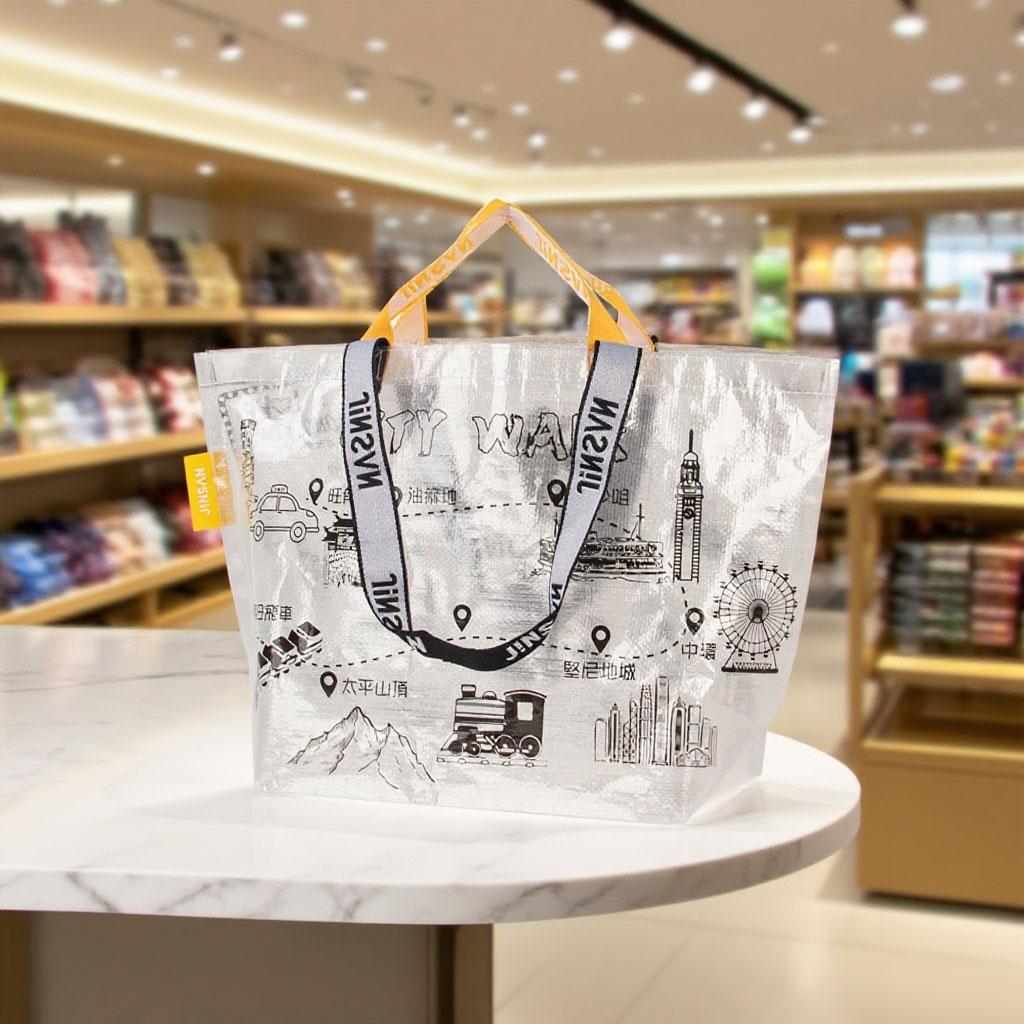
ข้อได้เปรียบของวัสดุผ้าทอจากโพลีโพรพิลีน (PP) ในการค้าปลีก
อะไรทำให้ผ้าทอจากโพลีโพรพิลีน (Polypropylene) แตกต่าง
โพลีโพรพิลีน ซึ่งมักย่อว่า PP เป็นพอลิเมอร์เทอร์โมพลาสติกชนิดหนึ่ง ที่ถูกขึ้นรูปเป็นเส้นแบน (flat tapes) ผ่านกระบวนการอัดรีด (extrusion) แล้วจึงถักทอเข้าด้วยกันเพื่อสร้างโครงสร้างผ้าที่แน่นหนาและเกี่ยวพันกันอย่างแนบสนิท วิธีการผลิตแบบนี้ทำให้ถุงช้อปปิ้งแบบทอจาก PP มีคุณสมบัติโดยรวมที่แตกต่างอย่างสิ้นเชิงเมื่อเทียบกับผ้าแบบไม่ทอ (non-woven fabrics) กระดาษ หรือถุงพลาสติกฟิล์มทั่วไป โครงสร้างแบบทอช่วยกระจายแรงกดดันจากน้ำหนักที่บรรจุทั่วทั้งพื้นผิวของถุง แทนที่จะเน้นแรงไว้ที่จุดใดจุดหนึ่ง จึงเป็นเหตุผลที่ถุงประเภทนี้สามารถต้านทานการฉีกขาดได้ดีแม้ใช้งานหนัก
วัสดุชนิดนี้มีความต้านทานต่อความชื้นโดยธรรมชาติ จึงเหมาะสำหรับใช้บรรทุกของชำ ผลิตภัณฑ์เกษตรสด เครื่องดื่มที่บรรจุในขวด และสินค้าอื่นๆ ที่อาจก่อให้เกิดหยดน้ำควบแน่นหรือสัมผัสกับของเหลวเล็กน้อย ต่างจากถุงกระดาษ ถุงช้อปปิ้งแบบทอจากโพลีโพรพิลีน (PP) ไม่สูญเสียความแข็งแรงเมื่อสัมผัสกับความชื้น จึงเป็นทางเลือกที่น่าเชื่อถือมากกว่าในสภาพภูมิอากาศหรือสภาพแวดล้อมการค้าปลีกที่มีความชื้นสูงอยู่เสมอ ความน่าเชื่อถือดังกล่าวมีความสำคัญอย่างยิ่งต่อลูกค้าที่คาดหวังประสิทธิภาพในการใช้งานที่สม่ำเสมอจากถุงที่สามารถนำกลับมาใช้ใหม่ได้
ในแง่ของน้ำหนัก ผ้าทอจากโพลีโพรพิลีน (PP) มีอัตราส่วนความแข็งแรงต่อน้ำหนักที่โดดเด่น ถุงช้อปปิ้งแบบทอจาก PP ที่ผลิตได้ดีสามารถรับน้ำหนักได้มากกว่าน้ำหนักของตัวถุงเองหลายเท่า โดยไม่บิดเบี้ยว ยืดออกเกินไป หรือแสดงสัญญาณการสึกหรอที่มองเห็นได้ แม้จะใช้งานซ้ำๆ นี่คือความทนทานเชิงปฏิบัติที่สร้างภาพลักษณ์เชิงบวกให้กับแบรนด์ในสายตาลูกค้าที่ใช้ถุงนี้ทุกวัน
โครงสร้างแบบทอสนับสนุนประสิทธิภาพในการรับน้ำหนักอย่างไร
รูปแบบการถักที่เชื่อมต่อกันไม่ได้เป็นเพียงลักษณะเชิงศิลปะเท่านั้น — แต่ยังเป็นคุณลักษณะด้านวิศวกรรมหลักที่ให้ความแข็งแรงเชิงโครงสร้างแก่ถุงช้อปปิ้งแบบถักจากพอลิโพรพิลีน (PP) อีกด้วย เมื่อมีน้ำหนักวางอยู่ภายในถุง แถบถักจะทำงานร่วมกันเพื่อดูดซับและกระจายแรงนั้นออกไป ซึ่งแตกต่างโดยสิ้นเชิงจากถุงที่ทำจากฟิล์มเคลือบ (laminated film bag) ที่แรงจะสะสมอยู่ตามแนวตะเข็บและแนวรอยยึดติด ส่วนโครงสร้างแบบถักนี้หมายความว่า ไม่มีจุดเดียวที่อาจเกิดความล้มเหลวขึ้นในส่วนหลักของถุง
หูหิ้วของถุงช้อปปิ้งแบบถักจากพอลิโพรพิลีน (PP) มักเสริมความแข็งแรงด้วยการเย็บหรือยึดติดเพิ่มเติมบริเวณจุดรับแรง คือ ตำแหน่งที่หูหิ้วต่อกับตัวถุง การเสริมความแข็งแรงนี้มีความสำคัญอย่างยิ่งสำหรับการใช้งานในร้านค้าปลีก เนื่องจากลูกค้ามักบรรจุสินค้าหลายชิ้นไว้ในถุงใบเดียวกัน และคาดหวังว่าหูหิ้วจะสามารถรับน้ำหนักได้อย่างมั่นคงแม้ผ่านการใช้งานซ้ำๆ หลายสิบหรือหลายร้อยครั้ง ผู้ค้าปลีกที่ลงทุนกับการออกแบบและผลิตหูหิ้วอย่างเหมาะสมจะพบว่าลูกค้าใช้ถุงเหล่านี้ซ้ำแล้วซ้ำเล่า ซึ่งส่งผลให้ระยะเวลาในการสร้างการรับรู้แบรนด์ของแต่ละหน่วยยาวนานขึ้นอย่างมีนัยสำคัญ
ส่วนก้นของถุงช้อปปิ้งที่ทอจากพอลิโพรพิลีน (PP) ที่ผลิตอย่างดีมักมีการเสริมความแข็งแรงหรือทำเป็นร่องขยายด้านข้าง (gusseted) เพื่อให้ถุงสามารถตั้งตรงได้เมื่อใส่สินค้าเต็ม รายละเอียดการออกแบบนี้ช่วยเพิ่มความสะดวกในการใช้งานระหว่างกระบวนการบรรจุสินค้าภายในร้านค้าและที่เคาน์เตอร์ชำระเงิน ทำให้กระบวนการทำงานของพนักงานราบรื่นยิ่งขึ้น และลดโอกาสที่สินค้าจะเอียงล้มหรือหกเท spill ออกจากถุงระหว่างการขนส่ง
การลงแบรนด์และคุณภาพการพิมพ์บนถุงช้อปปิ้งที่ทอจากพอลิโพรพิลีน (PP)
เหตุใดการพิมพ์แบบ CMYK จึงยกระดับบรรจุภัณฑ์สำหรับร้านค้าปลีก
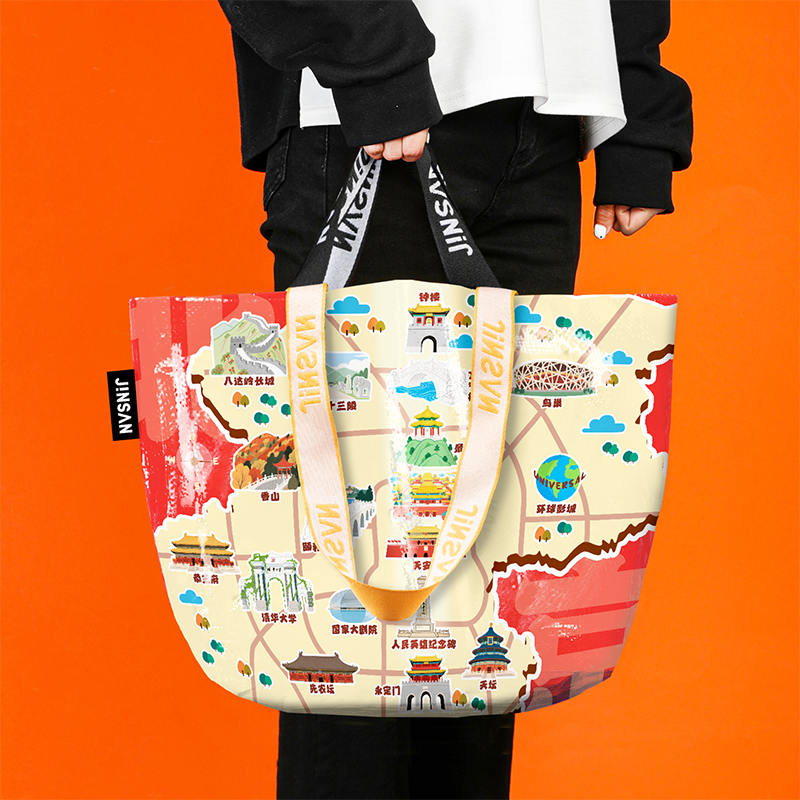
ถุงช้อปปิ้งที่ทอจากพอลิโพรพิลีน (PP) ซึ่งใช้ในธุรกิจร้านค้าปลีกนั้นไม่เพียงแต่เป็นเครื่องมือสำหรับบรรทุกสินค้าเท่านั้น แต่ยังถือเป็นสินทรัพย์ทางการตลาดอีกด้วย พื้นผิวของถุง PP ที่ทอสามารถพิมพ์ด้วยกระบวนการพิมพ์สีเต็มรูปแบบแบบ CMYK ซึ่งช่วยให้ร้านค้าปลีกสามารถจำลองภาพถ่าย งานศิลปะที่มีไล่ระดับสีอย่างซับซ้อน โลโก้ที่มีรายละเอียดสูง และการออกแบบหลายสีได้อย่างแม่นยำ ระดับความคมชัดและความสมจริงของการพิมพ์เช่นนี้ไม่สามารถทำได้ด้วยวิธีการพิมพ์แบบฟเล็กโซกราฟิกพื้นฐานหรือการพิมพ์สีเดียว
การพิมพ์แบบ CMYK บนถุงช้อปปิ้งทอจากโพลีโพรพิลีน (PP) ใช้ชั้นผิวเคลือบลามิเนตที่รับหมึกได้อย่างสะอาดและคงความสดใสของสีไว้ได้อย่างยาวนาน ชั้นพิมพ์ที่เคลือบลามิเนตนี้ยังช่วยปกป้องงานศิลป์จากการขีดข่วน ซึ่งมีความสำคัญอย่างยิ่งสำหรับถุงที่ใช้งานบ่อยและเก็บไว้ในกระเป๋าถือ ท้ายรถ หรือรถเข็นช้อปปิ้ง ที่มีการสัมผัสและเสียดสีกับพื้นผิวอยู่ตลอดเวลา ถุงที่รักษาคุณภาพภาพลักษณ์ไว้ได้แม้หลังการใช้งานมานาน จะยังคงสื่อแทนแบรนด์อย่างมีประสิทธิภาพ แทนที่จะจางลงจนกลายเป็นสิ่งที่น่าอาย
สำหรับผู้ค้าปลีกที่พึ่งพาอัตลักษณ์ภาพลักษณ์ของแบรนด์ — ไม่ว่าจะผ่านโทนสีที่โดดเด่น ภาพถ่ายไลฟ์สไตล์ หรือการตกแต่งโลโก้ระดับพรีเมียม — ความสามารถในการพิมพ์บนถุงช้อปปิ้งทอจากโพลีโพรพิลีน (PP) มอบพื้นผิวที่สามารถสื่อสารตามแนวทางแบรนด์ได้อย่างแท้จริง นี่คือปัจจัยสำคัญที่ผู้ค้าสินค้าแฟชั่น ร้านอาหารเฉพาะทาง แบรนด์ไลฟ์สไตล์ และธุรกิจใดๆ ก็ตามที่ให้ความสำคัญกับความสม่ำเสมอเชิง aesthetic เป็นปัจจัยเชิงพาณิชย์
ตัวเลือกการปรับแต่งที่รองรับเซ็กเมนต์ค้าปลีกที่แตกต่างกัน
นอกเหนือจากคุณภาพการพิมพ์แล้ว ถุงช้อปปิ้งแบบทอจากโพลีโพรไพลีน (PP) ยังมีความยืดหยุ่นสูงมากในด้านการปรับแต่งทางกายภาพ ผู้ค้าปลีกสามารถระบุขนาดของถุง รูปแบบและระยะความยาวของหูจับ ความลึกของส่วนก้นถุง (gusset) น้ำหนักของผ้า และประเภทของการเคลือบผิว (lamination finish) เพื่อสร้างผลิตภัณฑ์ที่สอดคล้องอย่างแม่นยำกับข้อกำหนดในการดำเนินงานและเอกลักษณ์ทางแบรนด์ของตน ความยืดหยุ่นในการปรับแต่งระดับนี้เป็นหนึ่งในเหตุผลสำคัญที่ทำให้ถุงช้อปปิ้งแบบทอจากโพลีโพรไพลีน (PP) ได้รับความนิยมจากผู้ค้าปลีกทั่วทุกหมวดหมู่ ตั้งแต่ร้านขายของชำและร้านขายยา ไปจนถึงร้านแฟชั่นและร้านสินค้าสำหรับบ้าน
ตัวเลือกการเคลือบผิวมีทั้งแบบด้าน (matte) และแบบเงา (gloss) ซึ่งแต่ละแบบให้ลักษณะภาพที่แตกต่างกันอย่างชัดเจน การเคลือบผิวด้านให้ลักษณะที่หรูหราและเรียบง่าย ซึ่งได้รับความนิยมสูงในหมู่ผู้ค้าปลีกสินค้าแฟชั่นและไลฟ์สไตล์ ส่วนการเคลือบผิวเงาให้ผลการพิมพ์สีที่สดใสและมีคอนทราสต์สูง เหมาะสำหรับแบรนด์สินค้าอาหารและแคมเปญส่งเสริมการขายที่เน้นสีสันจัดจ้าน การมีตัวเลือกในการกำหนดลักษณะผิวทำให้ถุงช้อปปิ้งแบบ PP ทอสามารถวางตำแหน่งได้ทั้งในบริบทการใช้งานประจำวันทั่วไป ไปจนถึงบริบทของของขวัญระดับพรีเมียม
ตัวเลือกด้ามจับยังมีส่วนสำคัญต่อการรับรู้ถึงคุณภาพของถุงอีกด้วย ด้ามจับสั้นเหมาะสำหรับการซื้อสินค้าแบบเร่งด่วนในร้านค้าปลีก ขณะที่ด้ามจับยาวที่สามารถพาดบนไหล่เหมาะกับลูกค้าที่ต้องขนของหนัก หรือต้องการความสะดวกในการถือโดยไม่ต้องใช้มือ ผู้ค้าปลีกที่พิจารณาสถานการณ์การใช้งานจริงของลูกค้าอย่างรอบคอบ และระบุรายละเอียดด้ามจับให้สอดคล้องกับความต้องการนั้น จะพบว่าความพึงพอใจของลูกค้าต่อถุงช้อปปิ้งแบบ PP ทอนั้นเพิ่มขึ้นอย่างมีนัยสำคัญ
ประสิทธิภาพด้านต้นทุนและความสามารถในการนำกลับมาใช้ใหม่ในกระบวนการดำเนินงานของร้านค้าปลีก
เศรษฐศาสตร์ต่อหน่วยของถุงช้อปปิ้งทอจากพอลิโพรพิลีน (PP) เมื่อเปรียบเทียบกับทางเลือกอื่น
จากมุมมองด้านต้นทุนต่อการใช้งาน ถุงช้อปปิ้งทอ PP ให้ผลลัพธ์ที่ดีกว่าถุงกระดาษใช้แล้วทิ้งและถุงพลาสติกแบบใช้ครั้งเดียวอย่างสม่ำเสมอ ต้นทุนต่อหน่วยเริ่มต้นของถุงช้อปปิ้งทอ PP สูงกว่าทางเลือกแบบใช้ครั้งเดียว แต่เนื่องจากออกแบบมาเพื่อใช้ซ้ำได้ ต้นทุนจึงถูกเฉลี่ยออกไปในหลายครั้งของการซื้อของ สำหรับผู้ค้าปลีกที่เสนอถุงให้ลูกค้าในราคาค่าใช้จ่ายเล็กน้อย หรือรวมไว้เป็นส่วนหนึ่งของโครงการความภักดี อายุการใช้งานที่ยาวนานของถุงช้อปปิ้งทอ PP หมายความว่าข้อความส่งเสริมแบรนด์ที่ถุงนี้สื่อสารจะถูกส่งต่อซ้ำๆ โดยไม่ต้องลงทุนเพิ่มเติม
เมื่อคำนวณจากอายุการใช้งานจริงของผลิตภัณฑ์ ประสิทธิภาพด้านต้นทุนของถุงช้อปปิ้งทอจากพอลิโพรพิลีน (PP) นั้นมีความน่าสนใจอย่างยิ่งสำหรับธุรกิจปลีกที่ดำเนินงานในระดับใหญ่ ถุงหนึ่งใบซึ่งใช้งานได้ 50 ครั้งภายในระยะเวลาสองปี จะสร้างการรับรู้แบรนด์แยกต่างหาก 50 ครั้ง จากการซื้อเพียงหนึ่งหน่วยเท่านั้น อัตราส่วนประสิทธิภาพนี้ทำให้ถุงช้อปปิ้งทอจากพอลิโพรพิลีนเป็นหนึ่งในสินค้าส่งเสริมการขายที่มีต้นทุนต่อประสิทธิภาพสูงที่สุดในบรรดาบรรจุภัณฑ์สำหรับธุรกิจปลีก
สำหรับแคมเปญส่งเสริมการขายหรือแคมเปญตามฤดูกาล ลักษณะที่สามารถปรับแต่งได้ของถุงช้อปปิ้งทอจากพอลิโพรพิลีนช่วยให้ผู้ค้าปลีกสามารถผลิตดีไซน์แบบจำกัดจำนวน ซึ่งสร้างความน่าสนใจในหมู่ผู้สะสม หรือเชื่อมโยงกับเหตุการณ์เฉพาะเจาะจง ลูกค้าที่เก็บถุงเหล่านี้ไว้เนื่องจากเหตุผลด้านรูปลักษณ์หรือความผูกพันทางอารมณ์จะยังคงสร้างการรับรู้แบรนด์ในพื้นที่สาธารณะต่อไปเป็นเวลานานหลังจากแคมเปญสิ้นสุดลง ซึ่งส่งมอบมูลค่าสื่อที่ได้มาโดยไม่ต้องเสียค่าใช้จ่าย (earned media value) ที่ถุงแบบใช้ครั้งเดียวทิ้งไม่สามารถสร้างได้เลย
ประโยชน์ในการปฏิบัติงานสำหรับพนักงานร้านค้าและระบบโลจิสติกส์
ความน่าเชื่อถือด้านโครงสร้างของถุงช้อปปิ้งทอจากพอลิโพรพิลีน (PP) ยังส่งผลดีต่อการปฏิบัติงานที่จุดขายอีกด้วย พนักงานสามารถบรรจุสินค้าลงในถุงได้อย่างมีประสิทธิภาพโดยไม่ต้องกังวลว่าส่วนก้นถุงจะยุบตัวหรือหูหิ้วจะขาดขณะบรรจุสินค้า ความน่าเชื่อถือดังกล่าวช่วยลดเวลาในการบรรจุสินค้า ลดโอกาสที่สินค้าจะเสียหายจากการชำรุดของถุง และสร้างประสบการณ์การชำระเงินที่ราบรื่นยิ่งขึ้น ซึ่งลูกค้ามักเชื่อมโยงประสบการณ์นี้เข้ากับร้านค้าอย่างในแง่บวก
การจัดเก็บและการขนส่งถุงช้อปปิ้งทอจากพอลิโพรพิลีน (PP) ก็ทำได้ง่ายเช่นกัน ถุงสามารถพับแบนเพื่อจัดเก็บอย่างกระชับในห้องเก็บสินค้าหรือที่เคาน์เตอร์ชำระเงิน จึงใช้พื้นที่น้อยลงในการสำรองสินค้าให้เพียงพอต่อความต้องการ ความทนทานของถุงยังหมายความว่า ถุงที่เก็บไว้เป็นเวลานานจะไม่เสื่อมสภาพ ไม่เปลี่ยนรูปร่าง หรือใช้งานไม่ได้เหมือนถุงกระดาษบางประเภทที่อาจเสื่อมคุณภาพเมื่อสัมผัสกับความชื้นในอากาศเป็นเวลานาน
สำหรับผู้ค้าปลีกที่ดำเนินธุรกิจในหลายสาขา การสั่งซื้อถุงช้อปปิ้งแบบทอจากพอลิโพรไพลีน (PP) จำนวนมากพร้อมรับประกันคุณภาพที่สม่ำเสมอในทุกชิ้น ถือเป็นข้อได้เปรียบเชิงปฏิบัติการที่สำคัญอย่างยิ่ง คุณภาพของถุงที่สม่ำเสมอช่วยให้มั่นใจได้ว่าประสบการณ์แบรนด์ที่มอบให้ลูกค้าจะเท่าเทียมกันไม่ว่าลูกค้าจะเข้าชมสาขาใด ซึ่งสนับสนุนการบริหารจัดการมูลค่าแบรนด์ในระดับเครือข่ายค้าปลีก
การวางตำแหน่งด้านความยั่งยืนสำหรับแบรนด์ค้าปลีกสมัยใหม่
บทบาทของการนำกลับมาใช้ใหม่ในกลยุทธ์ความยั่งยืนของภาคค้าปลีก
ความคาดหวังของผู้บริโภคเกี่ยวกับความยั่งยืนได้เปลี่ยนแปลงไปอย่างมากในช่วงไม่กี่ปีที่ผ่านมา และทางเลือกในการบรรจุภัณฑ์สำหรับการค้าปลีกก็ถูกตรวจสอบอย่างเข้มงวดยิ่งขึ้นจากลูกค้าที่ใส่ใจต่อสิ่งแวดล้อม ถุงช้อปปิ้งทอจากพอลิโพรไพลีน (PP) ตอบโจทย์ข้อนี้เป็นหลักผ่านคุณสมบัติการใช้ซ้ำได้ ถุงใบหนึ่งที่สามารถแทนที่ถุงแบบใช้ครั้งเดียวทิ้งได้หลายสิบหรือหลายร้อยใบตลอดอายุการใช้งาน แสดงถึงการลดปริมาณของเสียจากการบรรจุภัณฑ์อย่างมีน้ำหนักที่ระดับบุคคล และแนวคิดนี้สอดคล้องอย่างลึกซึ้งกับผู้บริโภคที่ให้ความสำคัญกับความรับผิดชอบต่อสิ่งแวดล้อมในการตัดสินใจซื้อสินค้า
ผู้ค้าปลีกที่จัดวางตำแหน่งถุงช้อปปิ้งทอจากโพลีโพรพิลีน (PP) ของตนในฐานะส่วนหนึ่งของพันธสัญญาด้านความยั่งยืนโดยรวม — มากกว่าจะเป็นเพียงสินค้าบรรจุภัณฑ์ที่ใช้งานได้เท่านั้น — มักพบว่าถุงดังกล่าวกลายเป็นจุดสัมผัสสำคัญในการสื่อสารคุณค่าของแบรนด์ ถุงที่มีความทนทานและออกแบบมาอย่างดี พร้อมข้อความเกี่ยวกับความยั่งยืนที่ชัดเจน จะส่งสัญญาณไปยังลูกค้าว่าแบรนด์ให้ความสำคัญต่อความรับผิดชอบด้านสิ่งแวดล้อมอย่างจริงจัง ซึ่งช่วยสร้างความภักดีต่อแบรนด์ในลักษณะที่ปัจจุบันยากจะบรรลุได้ด้วยคุณภาพของสินค้าหรือราคาเพียงอย่างเดียว
ผู้ค้าปลีกจำเป็นต้องสื่อสารแนวคิดเรื่องการนำกลับมาใช้ใหม่อย่างชัดเจนผ่านการออกแบบและการสื่อสารภายในร้านค้า ถุงช้อปปิ้งทอจากโพลีโพรพิลีน (PP) ที่แสดงข้อความเกี่ยวกับการนำกลับมาใช้ใหม่หรือประโยชน์ต่อสิ่งแวดล้อมอย่างโดดเด่น จะเสริมสร้างพฤติกรรมที่ต้องการให้แก่ลูกค้า และทำให้แบรนด์แตกต่างจากคู่แข่งที่เสนอทางเลือกแบบใช้แล้วทิ้งซึ่งมีคุณภาพต่ำกว่า กลยุทธ์การสื่อสารนี้ไม่มีต้นทุนเพิ่มเติมใดๆ นอกจากการออกแบบที่รอบคอบ แต่สามารถสร้างผลประโยชน์ที่วัดค่าได้จริงต่อการรับรู้ของลูกค้า
การนำโพลีโพรพิลีนกลับมาใช้ใหม่ได้และข้อพิจารณาเมื่อสิ้นสุดอายุการใช้งาน
โพลีโพรพิลีนเป็นวัสดุที่สามารถนำกลับมาใช้ใหม่ได้ และแม้ว่าโครงสร้างพื้นฐานสำหรับการรีไซเคิลผลิตภัณฑ์โพลีโพรพิลีนแบบถักทอจะแตกต่างกันไปตามแต่ละภูมิภาค ความสามารถในการรีไซเคิลของวัสดุพื้นฐานนี้ก็ยังคงเป็นคุณลักษณะที่แท้จริงซึ่งผู้ค้าปลีกสามารถอ้างอิงได้ในการสื่อสารด้านความยั่งยืนของตน ทั้งนี้ เมื่อโครงสร้างพื้นฐานสำหรับการเก็บรวบรวมและแปรรูปผลิตภัณฑ์โพลีโพรพิลีนยังคงพัฒนาอย่างต่อเนื่องในหลายตลาด แนวโน้มด้านการจัดการสินค้าหลังสิ้นสุดอายุการใช้งานสำหรับถุงช้อปปิ้งแบบถักทอจากโพลีโพรพิลีนจึงดีขึ้นเรื่อย ๆ
ผู้ค้าปลีกควรให้ข้อมูลอย่างโปร่งใสและถูกต้องเกี่ยวกับภาพรวมด้านสิ่งแวดล้อมของถุงช้อปปิ้งแบบถักทอจากโพลีโพรพิลีน เพื่อหลีกเลี่ยงการกล่าวอ้างเกินจริงซึ่งอาจดึงดูดความสนใจจากหน่วยงานกำกับดูแลหรือผู้บริโภค การเน้นประโยชน์ที่จับต้องได้และพิสูจน์ได้จริงจากการนำกลับมาใช้ซ้ำ คือ ตำแหน่งด้านความยั่งยืนที่มีเหตุผลรองรับได้ดีที่สุด และยังเป็นตำแหน่งที่มีความหมายมากที่สุดเมื่อพิจารณาผลกระทบต่อสิ่งแวดล้อมในโลกแห่งความเป็นจริง เมื่อเทียบกับทางเลือกอื่น
ร้านค้าบางแห่งเลือกที่จะจับคู่ถุงช้อปปิ้งแบบทอจากโพลีโพรพิลีน (PP) ของตนเข้ากับโครงการรับคืนหรือรีไซเคิล ซึ่งให้ทางเลือกในการจัดการผลิตภัณฑ์หลังหมดอายุการใช้งานแก่ลูกค้า โครงการประเภทนี้แสดงถึงความมุ่งมั่นอย่างแท้จริงต่อการปิดวงจรความรับผิดชอบด้านบรรจุภัณฑ์ และเสริมสร้างเรื่องราวด้านความยั่งยืนอย่างเป็นรูปธรรมและตรวจสอบได้ ซึ่งสอดคล้องกับผู้บริโภคที่มีความรู้ความเข้าใจ
คำถามที่พบบ่อย
เหตุใดถุงช้อปปิ้งแบบทอจากโพลีโพรพิลีน (PP) จึงมีความทนทานมากกว่าถุงกระดาษหรือถุงแบบไม่ทอ?
โครงสร้างการทอแบบขัดสอดกันของถุงช้อปปิ้งแบบทอจากโพลีโพรพิลีน (PP) ช่วยกระจายแรงกดที่เกิดจากน้ำหนักไปทั่วพื้นผิวของผ้าทั้งหมด จึงป้องกันการฉีกขาดแบบเฉพาะจุดซึ่งมักเกิดขึ้นกับถุงกระดาษและถุงแบบไม่ทอเมื่อรับน้ำหนัก นอกจากนี้ เส้นใยโพลีโพรพิลีนยังมีคุณสมบัติกันความชื้นโดยธรรมชาติ ทำให้ถุงไม่เสียความแข็งแรงเมื่อสัมผัสกับความชื้นหรือของเหลวในปริมาณเล็กน้อย เช่นเดียวกับที่ถุงกระดาษเป็น ด้วยการรวมกันของคุณสมบัติเชิงโครงสร้างและวัสดุนี้ จึงทำให้ถุงช้อปปิ้งแบบทอจากโพลีโพรพิลีน (PP) มีอายุการใช้งานที่ยาวนานกว่าทางเลือกอื่นๆ อย่างมีนัยสำคัญ
ถุงช้อปปิ้งทอจากพอลิโพรพิลีน (PP) สามารถปรับแต่งได้ทั้งหมดสำหรับแบรนด์ค้าปลีกหรือไม่
ใช่ ถุงช้อปปิ้งทอจากพอลิโพรพิลีน (PP) มีตัวเลือกการปรับแต่งอย่างกว้างขวาง รวมถึงการพิมพ์สีแบบ CMYK แบบเต็มรูปแบบ การเลือกผิวเคลือบ (แบบด้านหรือแบบเงา) ขนาดถุงที่ปรับเปลี่ยนได้ ความลึกของส่วนก้นถุง (gusset) รูปแบบและระยะความยาวของหูหิ้ว รวมทั้งน้ำหนักของผ้า ตัวเลือกเหล่านี้ช่วยให้ผู้ค้าปลีกสามารถผลิตถุงที่สอดคล้องกับแนวทางแบรนด์ ความชอบด้านศิลปะ และข้อกำหนดในการดำเนินงานได้อย่างแม่นยำ พื้นผิวที่ใช้พิมพ์บนถุงทอจากพอลิโพรพิลีน (PP) ที่ผ่านกระบวนการเคลือบสามารถจำลองงานศิลปะที่ซับซ้อน ภาพถ่าย และรายละเอียดโลโก้ที่ละเอียดอ่อนได้อย่างคมชัดและแม่นยำสูง
ถุงช้อปปิ้งทอจากพอลิโพรพิลีน (PP) เป็นทางเลือกที่คุ้มค่าสำหรับธุรกิจค้าปลีกในระดับใหญ่หรือไม่
เมื่อพิจารณาจากต้นทุนต่อการใช้งาน ถุงช้อปปิ้งแบบทอจากโพลีโพรพิลีน (PP) มีประสิทธิภาพด้านต้นทุนสูงมากเมื่อเปรียบเทียบกับทางเลือกแบบใช้ครั้งเดียวทิ้ง ต้นทุนเริ่มต้นต่อหน่วยที่สูงกว่านั้นจะถูกกระจายออกไปในหลายครั้งของการใช้งาน และจำนวนครั้งที่แบรนด์ปรากฏตัวต่อหนึ่งหน่วยตลอดอายุการใช้งานของถุง ทำให้ถุงชนิดนี้เป็นหนึ่งในการลงทุนบรรจุภัณฑ์ที่มีตราสินค้าที่มีประสิทธิภาพมากที่สุดเท่าที่มีอยู่ สำหรับผู้ค้าปลีกที่สั่งซื้อในปริมาณมาก ต้นทุนต่อหน่วยจะลดลงอีก ซึ่งยิ่งช่วยเพิ่มความคุ้มค่าทางเศรษฐศาสตร์ของการเลือกใช้ถุงช้อปปิ้งแบบทอจากโพลีโพรพิลีน (PP) แทนทางเลือกแบบใช้แล้วทิ้ง
ถุงช้อปปิ้งแบบทอจากโพลีโพรพิลีน (PP) สนับสนุนเป้าหมายด้านความยั่งยืนของผู้ค้าปลีกได้อย่างไร?
ประโยชน์ด้านความยั่งยืนหลักของถุงช้อปปิ้งทอจากพอลิโพรพิลีน (PP) คือความสามารถในการใช้ซ้ำได้ ด้วยการแทนที่ถุงแบบใช้ครั้งเดียวทิ้งหลายสิบหรือหลายร้อยใบตลอดอายุการใช้งาน จึงช่วยลดปริมาณขยะบรรจุภัณฑ์โดยรวมที่เกิดขึ้นจากการดำเนินงานของผู้ค้าปลีกในระดับลูกค้า วัสดุพอลิโพรพิลีนยังสามารถนำกลับมาใช้ใหม่ได้ด้วย หากมีโครงสร้างพื้นฐานที่เหมาะสม ผู้ค้าปลีกสามารถเสริมสร้างภาพลักษณ์ด้านความยั่งยืนของตนเองได้โดยการสื่อสารประโยชน์ของการใช้ซ้ำอย่างชัดเจนผ่านการออกแบบถุงและข้อความภายในร้านค้า ทำให้ถุงช้อปปิ้งทอจากพอลิโพรพิลีนกลายเป็นเครื่องมือสื่อสารด้านความยั่งยืนที่มีประสิทธิภาพ
สารบัญ
- ข้อได้เปรียบของวัสดุผ้าทอจากโพลีโพรพิลีน (PP) ในการค้าปลีก
- การลงแบรนด์และคุณภาพการพิมพ์บนถุงช้อปปิ้งที่ทอจากพอลิโพรพิลีน (PP)
- ประสิทธิภาพด้านต้นทุนและความสามารถในการนำกลับมาใช้ใหม่ในกระบวนการดำเนินงานของร้านค้าปลีก
- การวางตำแหน่งด้านความยั่งยืนสำหรับแบรนด์ค้าปลีกสมัยใหม่
-
คำถามที่พบบ่อย
- เหตุใดถุงช้อปปิ้งแบบทอจากโพลีโพรพิลีน (PP) จึงมีความทนทานมากกว่าถุงกระดาษหรือถุงแบบไม่ทอ?
- ถุงช้อปปิ้งทอจากพอลิโพรพิลีน (PP) สามารถปรับแต่งได้ทั้งหมดสำหรับแบรนด์ค้าปลีกหรือไม่
- ถุงช้อปปิ้งทอจากพอลิโพรพิลีน (PP) เป็นทางเลือกที่คุ้มค่าสำหรับธุรกิจค้าปลีกในระดับใหญ่หรือไม่
- ถุงช้อปปิ้งแบบทอจากโพลีโพรพิลีน (PP) สนับสนุนเป้าหมายด้านความยั่งยืนของผู้ค้าปลีกได้อย่างไร?