Non Woven Bag Price Guide: Cost-Effective Sustainable Packaging Solutions

Get a Free Quote

Our representative will contact you soon.
Email
Name
Company Name
Message
0/1000

non woven bag price

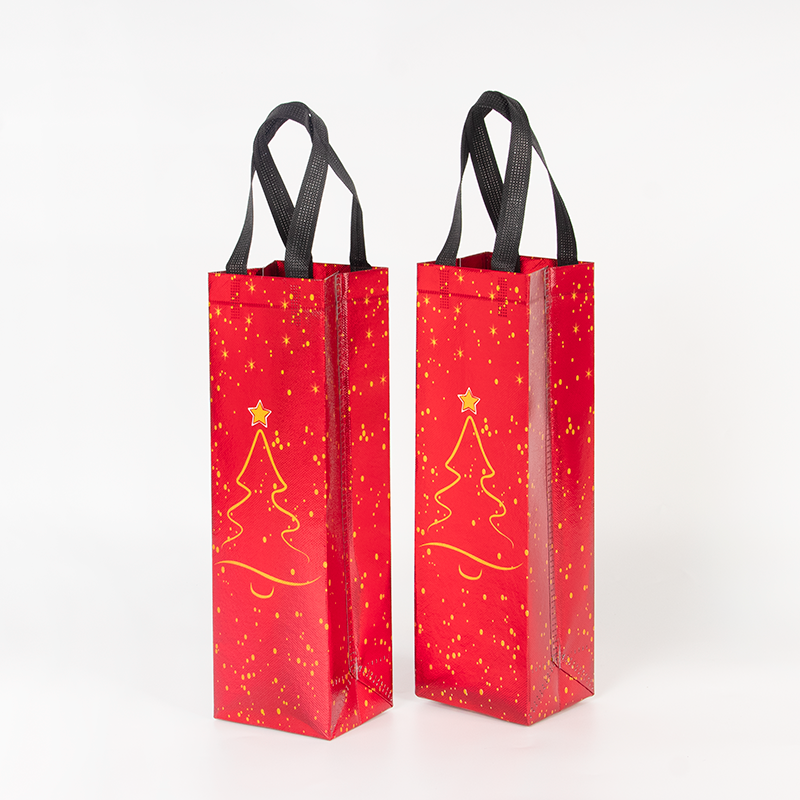
Understanding non woven bag price dynamics is crucial for businesses and consumers seeking sustainable packaging solutions. Non woven bags represent an innovative alternative to traditional plastic bags, offering exceptional durability and environmental benefits at competitive pricing. The non woven bag price varies significantly based on material quality, manufacturing processes, and bulk order quantities. These bags are manufactured using polypropylene or polyester fibers that are bonded together through thermal, chemical, or mechanical processes rather than traditional weaving methods. The primary functions of non woven bags include retail packaging, promotional marketing, grocery shopping, and industrial applications. Their lightweight yet sturdy construction makes them ideal for carrying heavy items while maintaining cost-effectiveness. The technological features that influence non woven bag price include fabric weight measured in GSM (grams per square meter), printing capabilities, handle reinforcement, and customization options. Standard non woven bags typically range from 70-120 GSM, with heavier weights commanding higher prices due to increased material usage. Advanced manufacturing techniques such as ultrasonic welding, heat sealing, and automated cutting contribute to production efficiency while maintaining consistent quality standards. The non woven bag price structure typically decreases with larger order volumes, making them particularly attractive for businesses requiring bulk quantities. Applications span across retail stores, supermarkets, trade shows, conferences, and corporate events where brand visibility and functionality are paramount. The versatility of non woven bags allows for various customization options including screen printing, heat transfer, and lamination, each affecting the final non woven bag price. Market factors influencing pricing include raw material costs, labor expenses, shipping requirements, and seasonal demand fluctuations. Quality certifications and compliance with international standards also impact the overall non woven bag price, ensuring product safety and environmental responsibility.
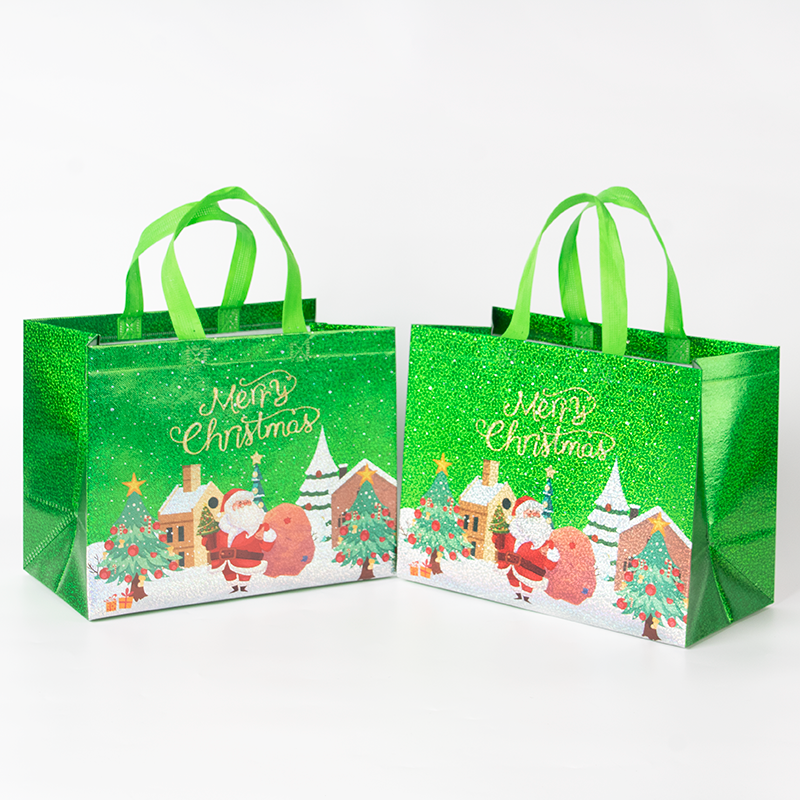
Popular Products

The advantages of considering non woven bag price extend far beyond simple cost savings, offering comprehensive value propositions for modern businesses and environmentally conscious consumers. Smart purchasing decisions based on non woven bag price comparisons deliver immediate financial benefits while supporting long-term sustainability goals. The most significant advantage lies in the exceptional cost-effectiveness ratio, where the initial non woven bag price investment translates into multiple reuse cycles, dramatically reducing per-use costs compared to single-use alternatives. This economic efficiency becomes particularly pronounced when businesses analyze their packaging expenses over extended periods, revealing substantial savings potential. Durability stands as another compelling advantage directly related to non woven bag price value, as these bags withstand repeated use without compromising structural integrity. The reinforced construction techniques used in manufacturing ensure that customers receive maximum utility from their non woven bag price investment, with many bags lasting months or even years under normal usage conditions. Environmental advantages connected to non woven bag price consideration include reduced carbon footprint and waste minimization, appealing to eco-conscious consumers and businesses committed to sustainable practices. The recyclable nature of non woven materials means that the non woven bag price represents an investment in circular economy principles. Customization flexibility offers tremendous marketing advantages that justify the non woven bag price premium, enabling businesses to transform functional bags into powerful brand ambassadors. The printing capabilities allow for vibrant graphics, company logos, and promotional messages that increase brand visibility with every use. Bulk pricing advantages make non woven bag price particularly attractive for large organizations, educational institutions, and retail chains requiring consistent packaging solutions. The economies of scale achieved through volume purchasing significantly reduce unit costs while ensuring uniform quality across all bags. Storage and handling advantages related to non woven bag price include lightweight properties that minimize shipping costs and space-efficient designs that reduce warehouse requirements. These operational benefits compound the initial non woven bag price savings throughout the supply chain. Quality consistency represents another crucial advantage, as reputable manufacturers maintain strict standards that justify the non woven bag price through reliable performance and customer satisfaction.

Latest News

Meeting with the founder of ABC Company

28

Jan

Meeting with the founder of ABC Company

View More
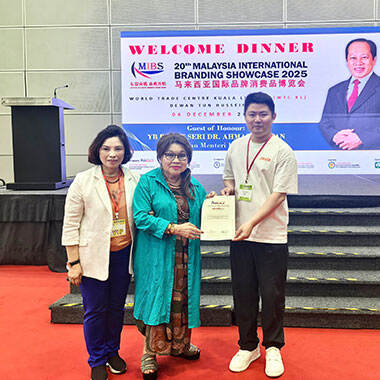
Our company made an appearance at the Malaysia International Brand Exhibition and won an honorary certificate

28

Jan

Our company made an appearance at the Malaysia International Brand Exhibition and won an honorary certificate

View More
German clients visit our company to explore new opportunities for cooperation

28

Jan

German clients visit our company to explore new opportunities for cooperation

View More

Get a Free Quote

Our representative will contact you soon.
Email
Name
Company Name
Message
0/1000

non woven bag price

Exceptional Cost-Effectiveness and Long-Term Value

Exceptional Cost-Effectiveness and Long-Term Value

The most compelling aspect of non woven bag price evaluation centers on the exceptional cost-effectiveness that these products deliver through extended usability and multi-purpose functionality. Unlike traditional plastic bags that offer single-use value, the non woven bag price represents an investment in durable packaging solutions that provide value over numerous usage cycles. Manufacturing efficiencies achieved through advanced production techniques allow suppliers to offer competitive non woven bag price points while maintaining superior quality standards. The economic benefits become particularly evident when businesses calculate the total cost of ownership rather than focusing solely on initial purchase prices. A typical non woven bag priced competitively can replace dozens of disposable alternatives throughout its lifespan, creating substantial cost savings that far exceed the initial non woven bag price investment. This value proposition becomes even more attractive when considering the additional benefits such as brand promotion and customer satisfaction that accompany each use. Bulk purchasing options further enhance the cost-effectiveness of non woven bag price structures, with volume discounts often reaching 30-50% reductions for large orders. These economies of scale make non woven bags particularly attractive for corporations, retailers, and organizations requiring consistent packaging solutions across multiple locations. The manufacturing process optimization has enabled suppliers to maintain competitive non woven bag price levels while incorporating advanced features such as reinforced handles, custom printing, and specialized closures. Quality control measures implemented throughout production ensure that customers receive maximum value from their non woven bag price investment, with defect rates typically below industry standards. The durability factor significantly impacts the perceived value of non woven bag price, as customers recognize the superior longevity compared to alternatives. Field testing consistently demonstrates that properly manufactured non woven bags maintain structural integrity through hundreds of use cycles, effectively amortizing the initial non woven bag price across extended periods.
Superior Customization Options and Brand Visibility

Superior Customization Options and Brand Visibility

The customization capabilities available at competitive non woven bag price points represent a significant advantage for businesses seeking to maximize their marketing impact while maintaining cost-effective packaging solutions. Modern printing technologies enable vibrant, high-resolution graphics that transform basic bags into powerful promotional tools, justifying the non woven bag price through enhanced brand visibility and customer engagement. Screen printing options available within standard non woven bag price ranges include single-color designs, multi-color graphics, and specialized ink formulations that resist fading and wear. Heat transfer printing techniques offer photographic quality reproduction capabilities, allowing businesses to incorporate complex logos and detailed imagery without significantly impacting the base non woven bag price. The versatility of customization extends beyond simple printing to include structural modifications such as pocket additions, zipper installations, and specialized handle configurations, each available at reasonable incremental costs above the standard non woven bag price. Color matching services ensure brand consistency across all marketing materials, with suppliers offering extensive Pantone color libraries to achieve precise brand reproduction within competitive non woven bag price frameworks. Custom sizing options allow businesses to optimize their packaging for specific products or applications, maximizing utility while controlling costs through strategic non woven bag price negotiations. The durability of printing methods used on non woven materials ensures that promotional messages remain vibrant throughout the bag's extended lifespan, providing ongoing advertising value that compounds the initial non woven bag price investment. Lamination options add sophistication and weather resistance to custom designs, protecting printed graphics while enhancing the overall perceived value of the non woven bag price point. Quick turnaround times for custom orders enable businesses to respond rapidly to marketing opportunities without compromising on quality or accepting premium pricing above standard non woven bag price levels. The combination of aesthetic appeal and functional utility achievable within competitive pricing structures makes customized non woven bags an exceptional value proposition for brand-conscious organizations.
Environmental Sustainability and Market Compliance

Environmental Sustainability and Market Compliance

The environmental advantages inherent in non woven bag price considerations reflect growing consumer awareness and regulatory requirements that make sustainable packaging choices increasingly valuable for forward-thinking businesses. The non woven bag price represents an investment in environmental responsibility, as these products offer significant ecological benefits compared to traditional plastic alternatives while maintaining competitive pricing structures. Manufacturing processes used to create non woven bags generate minimal waste streams, with production efficiencies that keep the non woven bag price accessible while supporting sustainability objectives. The recyclable nature of polypropylene and polyester materials used in non woven bag construction ensures end-of-life disposal options that align with circular economy principles, adding environmental value to the non woven bag price consideration. Lifecycle assessments consistently demonstrate that the environmental impact per use decreases significantly with each reuse cycle, effectively amortizing the ecological footprint across the bag's extended lifespan and justifying the initial non woven bag price investment. Compliance with international environmental standards adds credibility to non woven bag price value propositions, with certifications such as ISO 14001 and OEKO-TEX ensuring responsible manufacturing practices. The reduction in single-use plastic consumption achieved through non woven bag adoption translates into measurable environmental benefits that enhance corporate sustainability reporting and stakeholder relations. Energy-efficient manufacturing processes minimize the carbon footprint associated with non woven bag production, ensuring that the environmental benefits extend beyond the end-user phase to encompass the entire supply chain. Water conservation measures implemented in textile treatment processes reduce environmental impact while maintaining competitive non woven bag price levels through operational efficiency improvements. The biodegradation characteristics of certain non woven materials offer additional environmental advantages, with specialized formulations breaking down naturally under composting conditions without compromising the functional non woven bag price value during normal use periods. Regulatory compliance with plastic bag bans and environmental legislation makes non woven bags increasingly essential for businesses, with the non woven bag price representing a proactive investment in regulatory compliance rather than reactive policy accommodation.

Get a Free Quote

Our representative will contact you soon.
Email
Name
Company Name
Message
0/1000