non woven reusable shopping bags
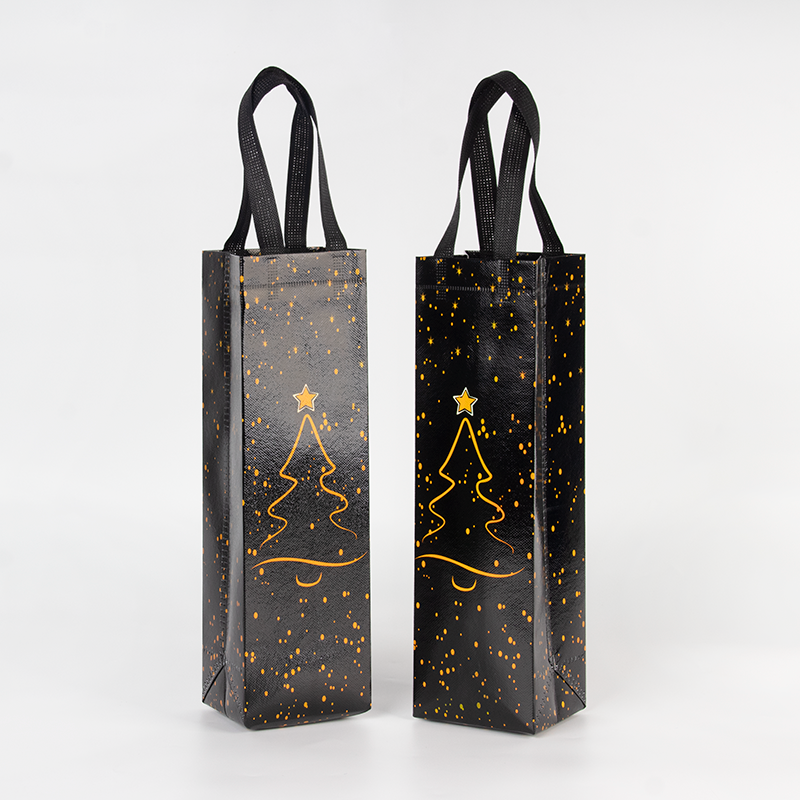
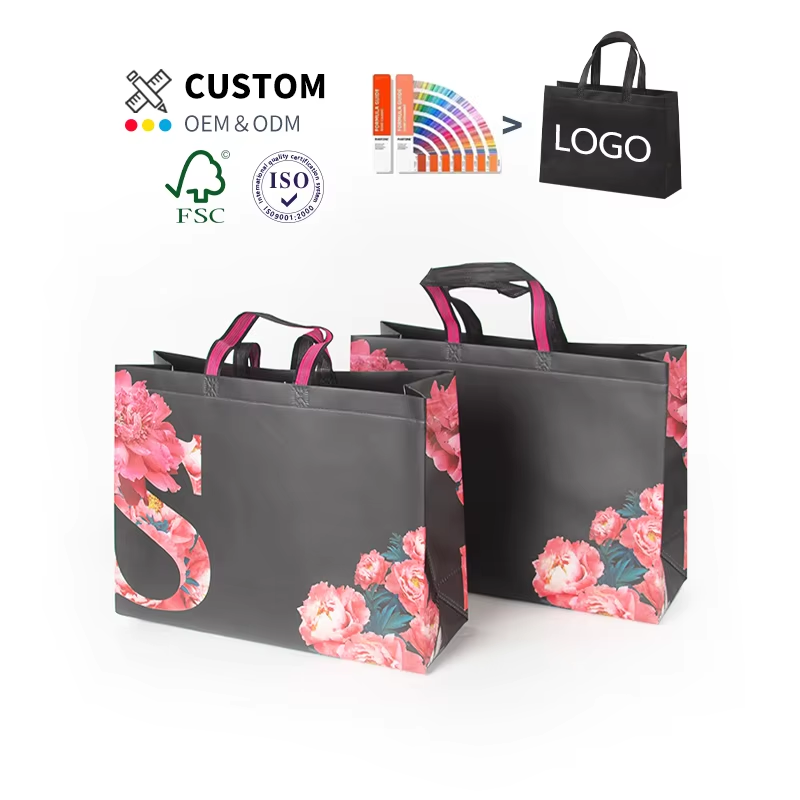
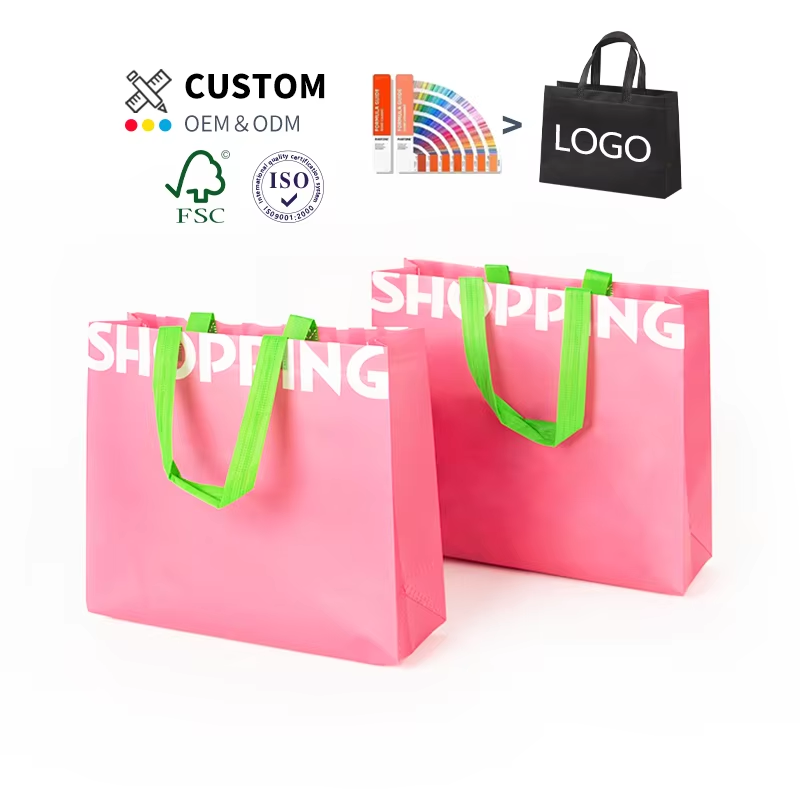
Non woven reusable shopping bags represent a revolutionary approach to sustainable retail packaging, combining environmental responsibility with practical functionality. These innovative bags utilize advanced non woven fabric technology, created through mechanical, thermal, or chemical processes that bond fibers together without traditional weaving or knitting methods. The resulting material offers exceptional durability while maintaining lightweight characteristics that make these bags ideal for everyday shopping activities. Non woven reusable shopping bags feature polypropylene or polyester fibers that undergo specialized bonding processes, creating a strong yet flexible material structure. This manufacturing technique produces bags with superior tear resistance, moisture protection, and load-bearing capabilities compared to conventional paper or thin plastic alternatives. The technological foundation of non woven reusable shopping bags incorporates spunbond or needle-punch processes that create interconnected fiber networks, ensuring consistent material density and structural integrity throughout the bag construction. These bags typically feature reinforced handles, gusseted bottoms, and seamed edges that distribute weight evenly across the entire structure. The main functions of non woven reusable shopping bags extend beyond simple carrying capacity to include brand promotion, environmental impact reduction, and consumer convenience enhancement. Applications span across grocery shopping, retail purchases, promotional events, trade shows, and general-purpose carrying needs. Many retailers customize these bags with logos, brand colors, and marketing messages, transforming them into mobile advertising platforms that reach thousands of potential customers. The versatility of non woven reusable shopping bags makes them suitable for various industries including food service, healthcare, education, and corporate sectors. Their ability to withstand repeated washing cycles while maintaining structural integrity makes them particularly valuable for consumers seeking long-term sustainable alternatives to disposable bags.

 EN
EN