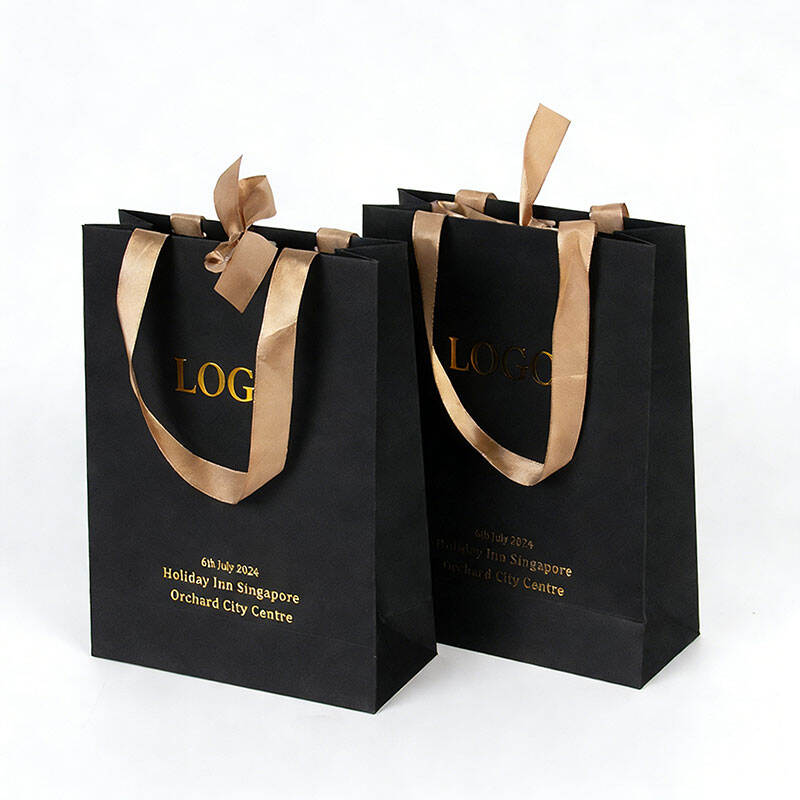
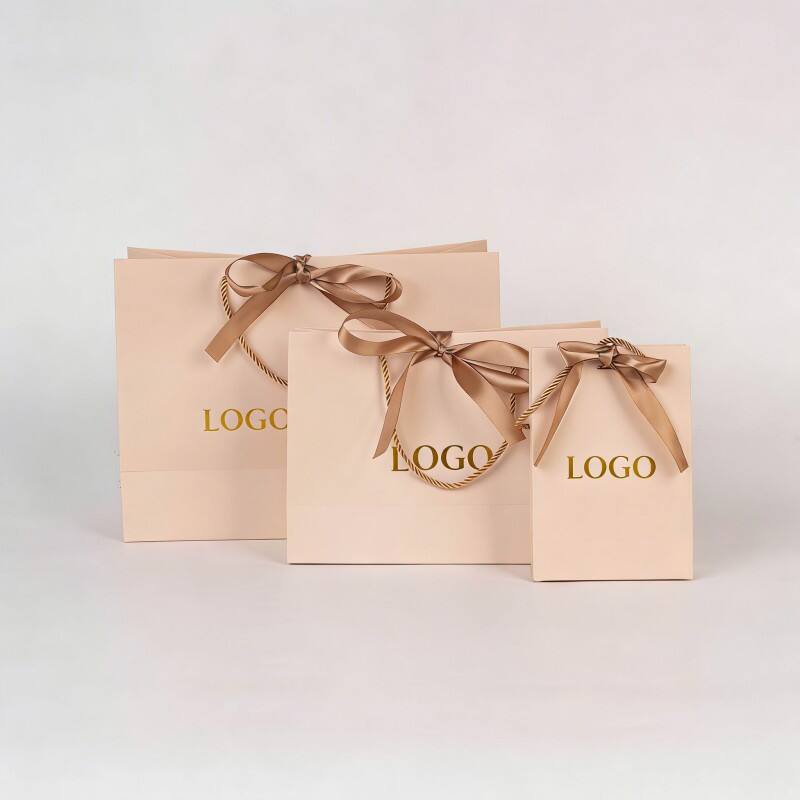
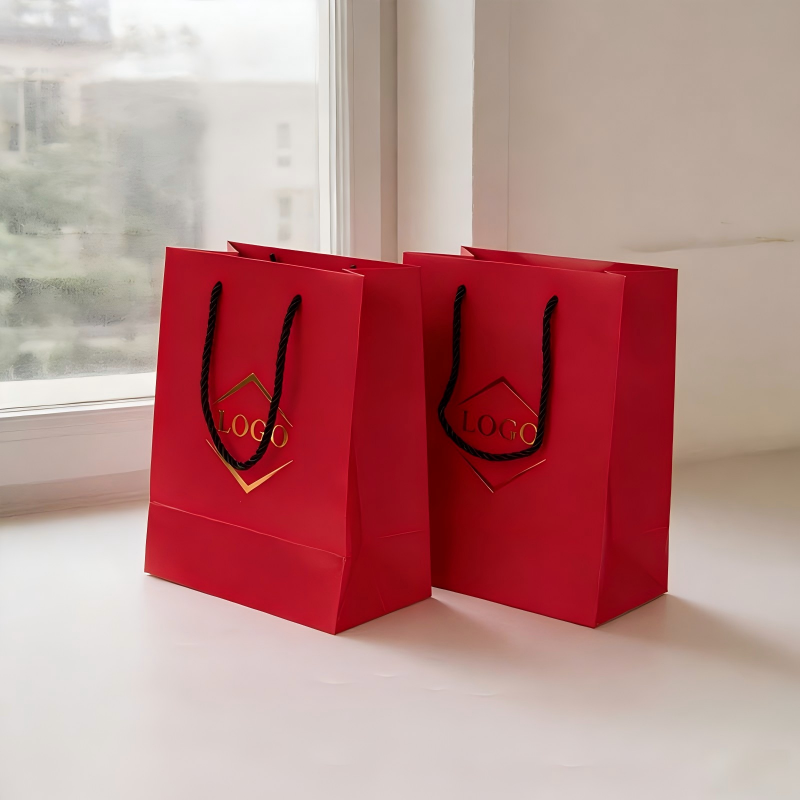
non woven sack
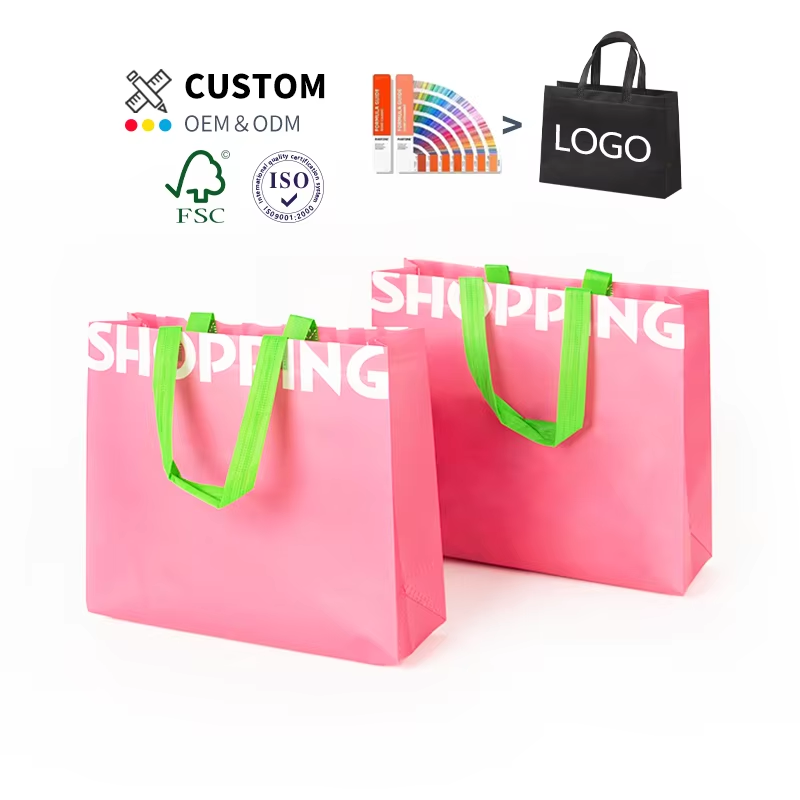
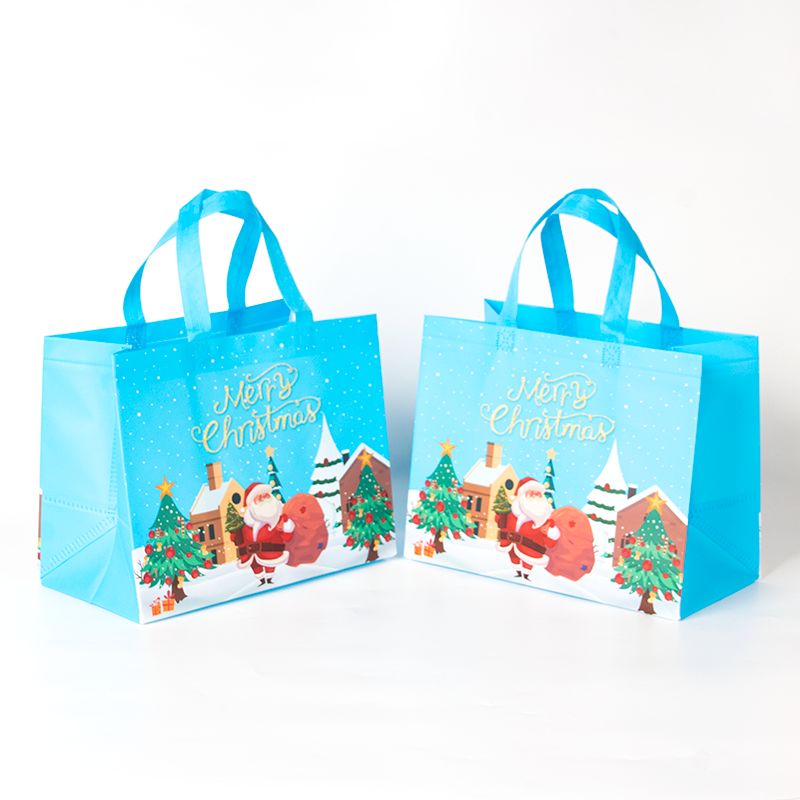
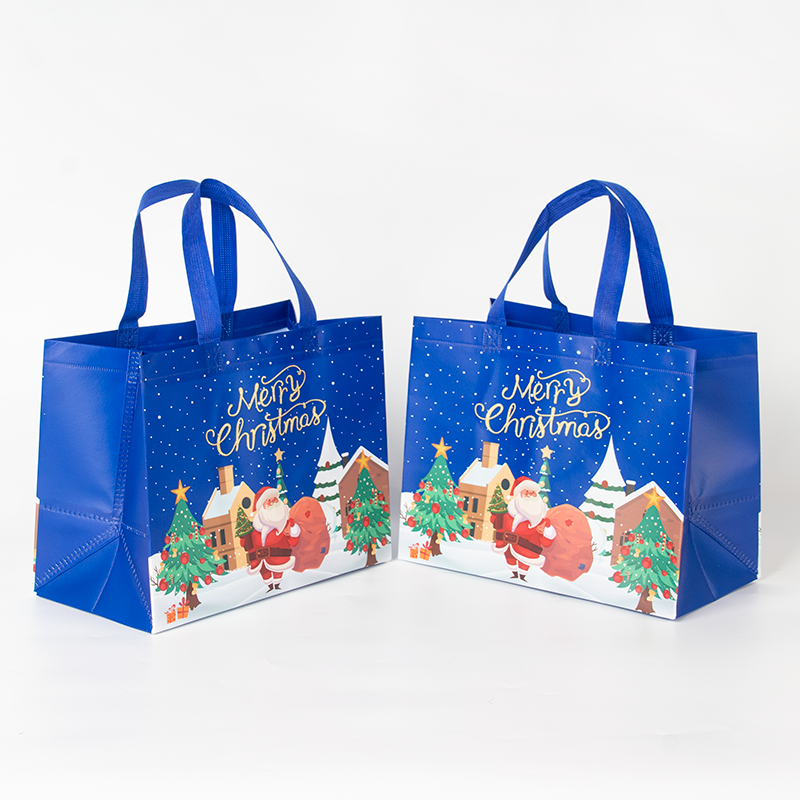
A non woven sack represents a revolutionary packaging solution that has transformed the way businesses approach storage, transportation, and material handling across multiple industries. Unlike traditional woven fabrics, the non woven sack is manufactured through a unique process that bonds fibers together using mechanical, thermal, or chemical methods, creating a robust and versatile packaging material. The manufacturing process involves laying synthetic or natural fibers in a web-like pattern and then bonding them together to form a continuous fabric structure. This innovative construction method gives the non woven sack exceptional strength while maintaining flexibility and cost-effectiveness. The primary functions of a non woven sack include containing, protecting, and transporting various materials ranging from agricultural products to industrial components. These sacks excel in applications requiring moisture resistance, tear strength, and dimensional stability. The technological features that distinguish the non woven sack include superior puncture resistance, excellent printability for branding purposes, and the ability to maintain structural integrity under varying environmental conditions. Modern non woven sacks incorporate advanced polymer technologies that enhance their barrier properties, making them suitable for protecting sensitive materials from external contamination. The applications of non woven sacks span across agriculture, construction, retail, and industrial sectors. In agriculture, they serve as effective packaging for grains, fertilizers, and seeds, providing optimal protection against moisture and pests. Construction industries utilize non woven sacks for cement, sand, and other building materials due to their exceptional load-bearing capacity. Retail businesses appreciate their professional appearance and customization options for brand visibility. The non woven sack has become an essential component in supply chain management, offering reliable performance while supporting sustainable packaging initiatives through recyclable materials and reduced environmental impact compared to traditional packaging alternatives.

 EN
EN