
 EN
EN

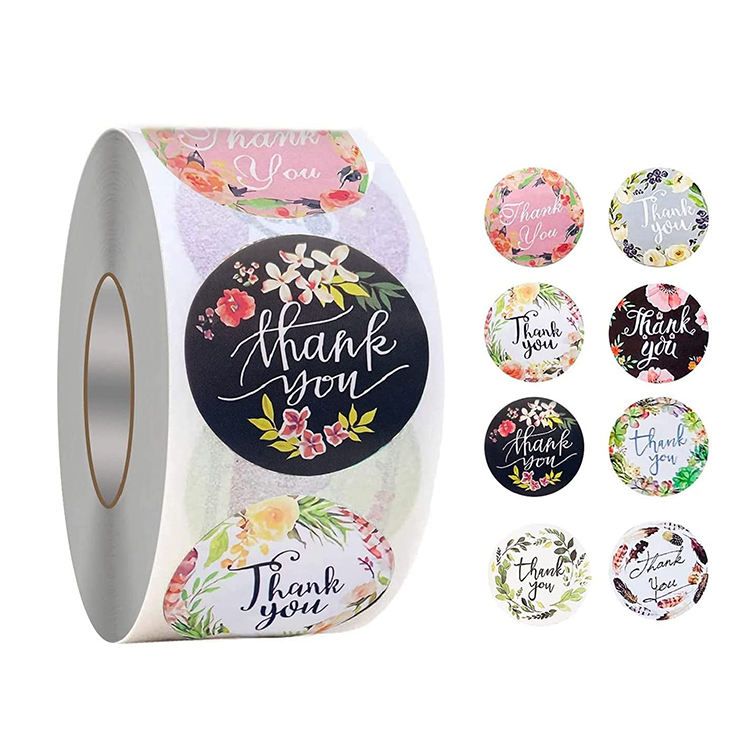
Maximizing the value from your sticker supplier relationship requires strategic thinking beyond basic order placement. Smart businesses recognize that their sticker supplier can become a powerful partner in product differentiation, cost optimization, and market positioning when approached with the right methodology and communication framework.
The sophisticated use of sticker supplier capabilities extends far beyond standard ordering processes. Advanced techniques include leveraging their technical expertise for material selection, optimizing production workflows for cost efficiency, and establishing collaborative innovation processes that drive competitive advantages in your specific market segment.
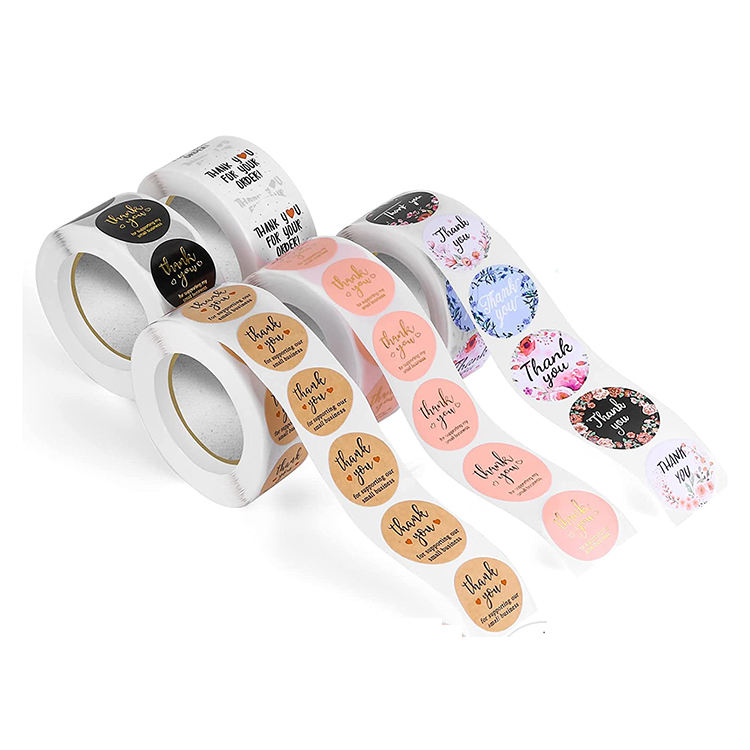
Strategic Material Consultation and Selection
Technical Specification Optimization
Your sticker supplier possesses deep technical knowledge about adhesive properties, substrate compatibility, and environmental performance characteristics that can significantly impact your product success. Engage them in detailed discussions about your specific application requirements, including temperature ranges, humidity exposure, surface textures, and removal expectations. This consultation approach transforms your supplier from a vendor into a technical advisor.
Request comprehensive material testing reports and performance data sheets from your sticker supplier. These documents provide crucial information about peel strength, tack levels, aging characteristics, and chemical resistance properties. Understanding these technical parameters allows you to make informed decisions about material selection that align with your product lifecycle requirements and customer expectations.
Advanced sticker supplier partnerships involve collaborative material development for unique application challenges. When standard materials cannot meet your specific requirements, work with your supplier to develop custom adhesive formulations or substrate combinations. This approach often leads to proprietary solutions that provide competitive advantages in your market segment.
Cost-Performance Balance Analysis
Sophisticated procurement strategies involve working with your sticker supplier to analyze the total cost of ownership rather than focusing solely on unit pricing. This analysis includes factors such as application efficiency, waste reduction, rework costs, and end-user satisfaction levels. A slightly higher-priced material that reduces application time or improves reliability often delivers superior overall value.
Collaborate with your sticker supplier to understand how different material specifications impact production costs and lead times. Some premium materials may actually reduce total project costs by enabling faster production speeds, reducing quality control requirements, or eliminating secondary processing steps. This holistic cost analysis requires transparent communication about your production processes and volume requirements.
Establish regular cost review meetings with your sticker supplier to discuss market trends, raw material price fluctuations, and technological developments that could impact your material choices. These strategic discussions enable proactive adjustments to specifications or sourcing strategies that maintain cost competitiveness while preserving performance requirements.
Production Workflow Enhancement Strategies
Lead Time Optimization Techniques
Advanced users of sticker supplier services implement sophisticated demand forecasting and inventory management strategies that minimize lead times while avoiding excess inventory costs. Share your production schedules, seasonal demand patterns, and market growth projections with your supplier to enable better capacity planning and material procurement timing.
Implement blanket purchase order systems with your sticker supplier that provide volume commitments while maintaining delivery flexibility. This approach gives your supplier better visibility into your requirements while securing priority production slots during peak demand periods. The structured commitment also often enables better pricing through volume guarantees.
Establish emergency response protocols with your sticker supplier for urgent orders or specification changes. Define clear communication channels, expedite fee structures, and minimum lead times for rush orders. Having these procedures in place before emergencies occur ensures smooth operations during critical business periods.
Quality Assurance Integration
Integrate your quality requirements directly into your sticker supplier production processes rather than relying solely on incoming inspection procedures. Provide detailed quality specifications, acceptance criteria, and testing methodologies that your supplier can implement during production. This upstream quality control approach reduces defect rates and eliminates costly rework cycles.
Establish regular quality performance reviews with your sticker supplier that track metrics such as defect rates, delivery accuracy, and specification compliance. Use this data to identify improvement opportunities and adjust production parameters or quality control procedures. Collaborative quality improvement creates shared accountability for product performance.
Implement statistical process control methodologies in partnership with your sticker supplier to monitor and control key quality characteristics during production. This advanced approach requires sharing quality data and working together to identify process variations before they result in defective products. The investment in statistical monitoring often pays dividends through improved consistency and reduced waste.
Innovation and Product Development Collaboration
Market Trend Integration
Leverage your sticker supplier market intelligence and industry connections to stay informed about emerging trends, new technologies, and competitive developments in adhesive and substrate technologies. Suppliers often have visibility across multiple industry segments and can provide valuable insights about innovations that might benefit your specific applications.
Establish regular technology review meetings with your sticker supplier to discuss new product developments, equipment capabilities, and process innovations that could enhance your product offerings. These strategic discussions should focus on how new technologies could solve current challenges or create new market opportunities for your business.
Participate in your sticker supplier trade show activities, technical seminars, and industry networking events to gain exposure to cutting-edge developments and connect with other industry professionals. This participation provides valuable market intelligence while strengthening your supplier relationship through increased engagement.
Custom Solution Development
Work with your sticker supplier to develop proprietary solutions that address unique market needs or create competitive differentiation. This collaboration might involve custom adhesive formulations, specialized printing techniques, or innovative application methods that provide exclusive advantages in your market segment.
Establish intellectual property agreements with your sticker supplier that protect your interests while enabling collaborative innovation. Clear agreements about ownership rights, exclusivity periods, and commercialization terms encourage suppliers to invest in custom development projects while protecting your competitive advantages.
Create structured innovation pipelines with your sticker supplier that include regular brainstorming sessions, prototype development timelines, and market testing procedures. This systematic approach to innovation ensures continuous improvement while managing development costs and time investments effectively.
Supply Chain Risk Management and Contingency Planning
Supplier Diversification Strategies
While building strong relationships with primary sticker supplier partners, sophisticated procurement strategies include developing qualified backup suppliers for critical materials and processes. Maintain secondary supplier relationships through periodic quote requests, small test orders, and technical capability assessments that ensure rapid activation if needed.
Implement supplier performance monitoring systems that track delivery reliability, quality consistency, and financial stability indicators for your sticker supplier relationships. Early warning systems enable proactive risk mitigation before supply disruptions impact your operations or customer commitments.
Develop geographic diversification strategies with your sticker supplier network to reduce risks associated with regional disruptions, transportation issues, or regulatory changes. Multiple production locations provide flexibility while maintaining consistent quality standards and technical capabilities.
Communication Protocol Optimization
Establish structured communication protocols with your sticker supplier that include regular business reviews, technical update meetings, and performance assessment discussions. Consistent communication prevents misunderstandings while creating opportunities for continuous improvement and relationship strengthening.
Implement digital communication platforms and data sharing systems that provide real-time visibility into order status, inventory levels, and production schedules. Advanced communication tools reduce administrative overhead while improving coordination and response times for both routine and urgent requirements.
Create escalation procedures for resolving disputes, addressing quality issues, and managing delivery problems with your sticker supplier. Clear escalation paths ensure rapid resolution of issues while maintaining professional relationships and minimizing business disruptions.
Performance Measurement and Continuous Improvement
Key Performance Indicator Development
Establish comprehensive performance measurement systems that track both quantitative metrics and qualitative assessments of your sticker supplier relationships. Key indicators should include delivery performance, quality metrics, cost competitiveness, technical support responsiveness, and innovation contribution levels.
Implement benchmark studies that compare your sticker supplier performance against industry standards and competitive alternatives. Regular benchmarking ensures your supplier relationships deliver optimal value while identifying areas for improvement or renegotiation.
Create scorecards and performance dashboards that provide regular visibility into supplier performance trends and improvement initiatives. Transparent performance measurement creates accountability while highlighting successful collaboration areas that can be expanded or replicated.
Strategic Partnership Evolution
Develop long-term partnership strategies with your most valuable sticker supplier relationships that include joint business planning, shared investment initiatives, and collaborative market development activities. Strategic partnerships create mutual dependencies that benefit both parties while reducing competitive risks.
Establish supplier development programs that help your sticker supplier partners improve their capabilities, expand their technical expertise, or enhance their quality systems. These investments in supplier capability often generate returns through improved service levels, innovative solutions, and preferential treatment during capacity constraints.
Implement regular relationship assessment processes that evaluate both parties satisfaction levels, identify improvement opportunities, and adjust partnership terms based on changing business requirements. Dynamic relationship management ensures continued value creation while adapting to evolving market conditions and business priorities.
FAQ
How often should I review my sticker supplier performance and contracts?
Conduct formal sticker supplier performance reviews quarterly to assess delivery, quality, and cost metrics, while scheduling annual contract reviews to address pricing, terms, and strategic alignment. Monthly informal check-ins help maintain communication and identify issues early. Major contract renegotiations typically occur every 2-3 years unless significant market changes or performance issues warrant earlier action.
What information should I share with my sticker supplier to improve collaboration?
Share production forecasts, seasonal demand patterns, quality requirements, and strategic business objectives with your sticker supplier to enable better planning and service delivery. Provide technical specifications, application requirements, and end-user feedback to help them optimize material recommendations. Include information about competitive pressures, market trends, and growth plans to align their capabilities with your business direction.
How can I ensure my sticker supplier maintains consistent quality across different production runs?
Establish detailed quality specifications, acceptance criteria, and testing protocols that your sticker supplier implements during production rather than relying solely on incoming inspection. Implement statistical process control methods to monitor key quality characteristics and require regular quality reports that track performance trends. Conduct periodic facility audits and maintain open communication about quality issues to enable rapid corrective actions when needed.
What should I do if my primary sticker supplier cannot meet urgent delivery requirements?
Maintain qualified backup sticker supplier relationships through periodic quote requests and small test orders to ensure rapid activation during emergencies. Establish clear escalation procedures and emergency response protocols with your primary supplier that define expedite options, additional costs, and minimum lead times. Consider maintaining strategic inventory levels for critical materials or implementing blanket purchase orders that provide priority access to production capacity during peak demand periods.
Table of Contents
- Strategic Material Consultation and Selection
- Production Workflow Enhancement Strategies
- Innovation and Product Development Collaboration
- Supply Chain Risk Management and Contingency Planning
- Performance Measurement and Continuous Improvement
-
FAQ
- How often should I review my sticker supplier performance and contracts?
- What information should I share with my sticker supplier to improve collaboration?
- How can I ensure my sticker supplier maintains consistent quality across different production runs?
- What should I do if my primary sticker supplier cannot meet urgent delivery requirements?