 EN
EN

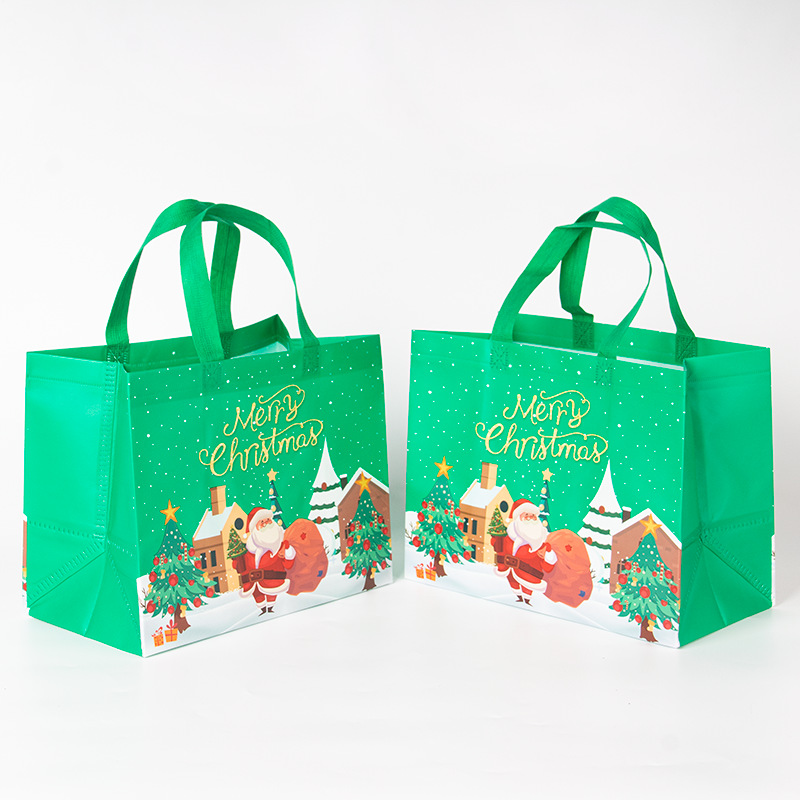
Sourcing custom non woven tote bags is one of the most practical decisions a brand, retailer, or event organizer can make when looking for cost-effective, reusable, and visually consistent packaging solutions. Whether you are outfitting a trade show booth, launching a retail promotion, or building an eco-conscious brand identity, the sourcing process for custom non woven tote bags involves far more nuance than simply choosing a design and placing an order. Getting it right means understanding material specifications, production lead times, print quality standards, and minimum order requirements before you commit to a supplier.
The global demand for custom non woven tote bags has grown significantly as businesses shift away from single-use plastic packaging and toward branded reusable alternatives. This shift creates both opportunity and complexity in the sourcing process. Buyers who approach the procurement of custom non woven tote bags with a clear framework — covering material selection, supplier evaluation, artwork preparation, sampling, and quality control — consistently achieve better outcomes in terms of product consistency, delivery reliability, and total cost efficiency. This guide walks through every critical stage of that process so you can source with confidence.
Understanding the Material Behind Custom Non Woven Tote Bags
What Non Woven Fabric Actually Means for Buyers
Non woven fabric is produced by bonding or interlocking fibers together through mechanical, thermal, or chemical processes rather than weaving or knitting. For custom non woven tote bags, the most commonly used material is polypropylene (PP), a thermoplastic polymer that delivers a balance of durability, flexibility, and printability. Understanding this distinction matters because it directly affects how the bag will perform in real-world use, how long the printed design will retain its color, and how the bag will respond to handling, moisture, and weight load.
Polypropylene non woven fabric is graded by weight, typically measured in grams per square meter (GSM). For custom non woven tote bags intended for light retail or promotional use, a GSM range of 70 to 90 is standard. Bags designed for heavier grocery or industrial applications typically use fabric in the 100 to 120 GSM range. Specifying the correct GSM at the sourcing stage prevents the common problem of receiving bags that look appropriate in samples but fail under load during actual use.
Beyond GSM, buyers should clarify whether the non woven material is spunbonded or needle-punched, as spunbonded PP is far more common for custom non woven tote bags and provides a smoother, more uniform surface for printing. Asking suppliers to provide fabric composition certificates or material data sheets is a straightforward way to verify claims before production begins.
Handle Types and Structural Considerations
The handle configuration of custom non woven tote bags is a structural decision that affects both aesthetics and functionality. The most common handle styles include short loop handles sewn directly onto the bag body, long shoulder strap handles, and reinforced D-cut handles where the hand opening is cut directly through a reinforced section of the bag itself. Each style has a different stitching requirement, and seam strength is one of the first things that should be tested during the sampling phase.
Reinforced bottom gussets and side seams are especially important for custom non woven tote bags that will carry heavier items. Buyers sourcing for supermarket or logistics applications should request bags with ultrasonic welding or double-stitched seams rather than single-stitch construction. Confirming these structural details in writing before production protects against the frustrating scenario of receiving a shipment that meets the visual brief but fails basic load testing.
Defining Your Specifications Before Approaching Suppliers
Artwork and Print Method Clarity
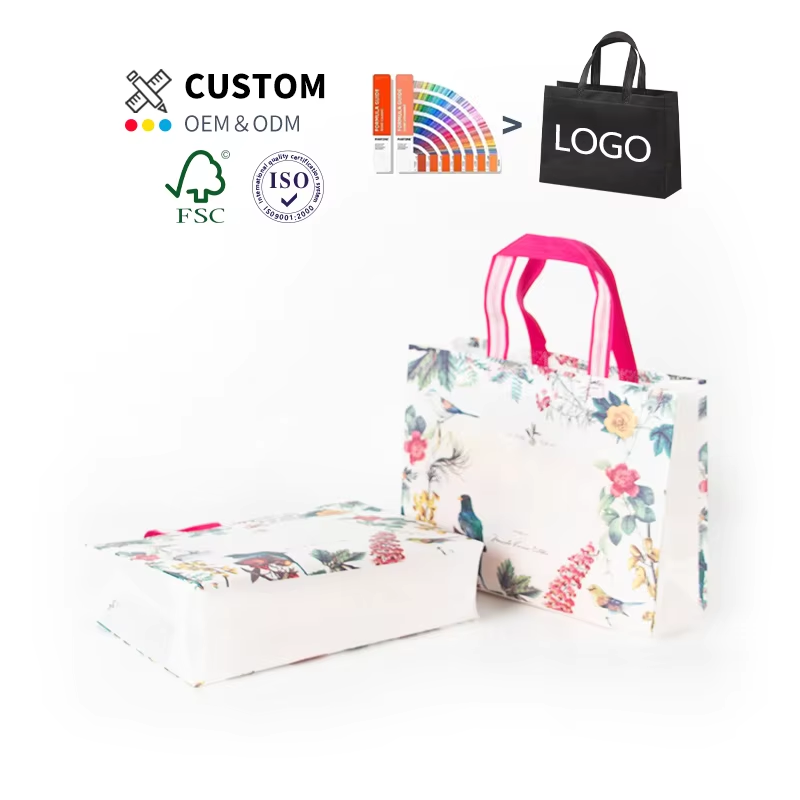
One of the most avoidable sourcing delays comes from unclear artwork files. When sourcing custom non woven tote bags, buyers should prepare print-ready vector files in formats such as AI or PDF, with all fonts outlined and color values specified in Pantone, CMYK, or spot color codes. Submitting low-resolution raster images or RGB-mode files designed for screen display leads to color shifts and blurring during production that are difficult and costly to correct after the fact.
The two most common print methods for custom non woven tote bags are screen printing and heat transfer printing. Screen printing is cost-efficient at high volumes and produces vibrant, durable results on flat bag surfaces. Heat transfer printing supports photographic detail and complex gradient designs but carries a higher per-unit cost. CMYK full-color printing is also available for certain suppliers using specialized flatbed or rotary print systems, making it suitable for brands that need rich multicolor imagery without Pantone color limitations.
Buyers should request printed sample panels from the supplier's actual production equipment before approving full production. A digital proof or pre-production mockup is useful for alignment review but cannot substitute for a physical color pull when color accuracy is critical.
Setting Realistic MOQ and Timeline Expectations
Minimum order quantities (MOQ) for custom non woven tote bags vary widely depending on the complexity of the bag design, the number of print colors, and the supplier's production capacity. Standard MOQs in this category typically range from 500 to 5,000 units per style and color combination. Brands sourcing smaller quantities for pilot programs or event-specific runs should seek suppliers that offer lower MOQ options, which usually come at a higher per-unit price but reduce inventory risk significantly.
Production lead times for custom non woven tote bags depend on whether the order requires custom tooling, new screen preparation, or special fabric procurement. A standard reorder with an approved design can often be completed in 15 to 25 business days. New projects requiring artwork approval, sample sign-off, and full production typically need 30 to 45 business days from order confirmation to shipment. Building buffer time into your sourcing plan is especially important for seasonal promotions, retail launches, or trade events with fixed dates.
Evaluating and Qualifying Suppliers
Key Criteria for Supplier Selection
Not every manufacturer capable of producing custom non woven tote bags is an equally reliable sourcing partner. When evaluating potential suppliers, the most important criteria include production capacity, quality management systems, communication responsiveness, and transparency around subcontracting. Suppliers that handle fabric production, cutting, sewing, and printing in a vertically integrated facility typically offer tighter quality control and faster turnaround than those that outsource multiple production stages.
Requesting an audit report, ISO certification, or documented quality control process is reasonable for any order above a certain volume threshold. For buyers sourcing custom non woven tote bags for retail or branded merchandise programs, factory compliance with environmental and labor standards may also be a procurement requirement. Asking suppliers to provide certifications such as OEKO-TEX Standard 100 or GRS (Global Recycled Standard) is one way to validate claims about material safety and responsible sourcing practices.
Communication quality is often underestimated as a supplier selection criterion. Suppliers who respond clearly and quickly to technical questions, provide detailed quotes with itemized costs, and proactively flag potential issues before production are far easier to work with than those who are evasive or slow to engage. The sourcing process for custom non woven tote bags requires ongoing dialogue, so communication style matters from the very first inquiry.
Sampling and Pre-Production Approval
Requesting a pre-production sample before committing to full production is a non-negotiable step when sourcing custom non woven tote bags for the first time from any supplier. The sample allows you to evaluate fabric hand feel, handle attachment strength, stitch quality, print color accuracy, dimensional accuracy, and overall construction quality in a single physical unit. Any deviations from the agreed specification should be documented and communicated back to the supplier in writing, with revised samples requested before production approval is given.
Some buyers accept digital mockups as a substitute for physical samples to save time, but this approach carries meaningful risk. Digital renders cannot communicate fabric texture, handle comfort, seam stiffness, or print opacity. For custom non woven tote bags that will be used in customer-facing applications, the cost and time of a physical sample cycle is almost always worth it relative to the cost of a non-conforming production run.
Managing Quality Control and Delivery
In-Line and Final Inspection Practices
Quality control for custom non woven tote bags should not be treated as a post-production formality. Buyers who implement in-line inspection checkpoints during production — particularly after the printing stage and before final packing — catch defects early when correction is still feasible. Common defect categories in this product type include print misregistration, color inconsistency between bags in the same batch, handle attachment failures, and dimensional variation beyond acceptable tolerance.
For larger orders, engaging a third-party inspection service to conduct a pre-shipment AQL (Acceptance Quality Level) inspection is a practical way to verify compliance without requiring the buyer to be physically present at the factory. AQL inspections follow standardized sampling procedures and provide documented defect rates that allow buyers to make informed acceptance or rejection decisions before goods are shipped.
Buyers sourcing custom non woven tote bags for the first time from a new supplier should also request production photos at key milestones — typically after fabric cutting, after printing, and after packing — as a lightweight monitoring tool that supplements formal inspection without requiring full audit infrastructure.
Shipping, Packaging, and Import Considerations
Custom non woven tote bags are generally lightweight and compressible, which makes them relatively cost-efficient to ship by sea freight in compressed bale or flat-packed carton format. Buyers should confirm with suppliers how bags will be packed for export — whether folded flat, individually polybag-wrapped, or packed in bulk inner cartons — as packing method affects both container utilization and the condition of bags upon arrival.
Import documentation for custom non woven tote bags typically includes a commercial invoice, packing list, bill of lading, and certificate of origin. Buyers in markets with specific labeling or content declaration requirements should communicate these to the supplier at the order confirmation stage rather than after production. Addressing compliance requirements proactively avoids customs clearance delays that can disrupt delivery timelines significantly.
FAQ
What GSM is recommended for custom non woven tote bags used in retail promotions?
For standard retail promotional applications, custom non woven tote bags in the 80 to 90 GSM range provide a good balance of durability and cost. This weight holds printed designs well, handles moderate load without deforming, and remains lightweight enough for consumers to carry comfortably. Heavier-duty applications such as grocery or trade show giveaway bags with bulkier contents may benefit from 100 GSM or above.
How many print colors can typically be applied to custom non woven tote bags?
Screen printing on custom non woven tote bags typically supports one to four spot colors in a cost-effective way, with each additional color adding to the setup and per-unit cost. Full CMYK printing is available through certain suppliers and allows for photographic or gradient-rich designs without color number limitations, though it carries a higher base cost. Buyers should clarify print method capabilities with each supplier and request color strike-offs before full production approval.
What is a realistic minimum order quantity for custom non woven tote bags?
MOQs for custom non woven tote bags typically start at 500 units for simpler one-color designs and rise to 2,000 to 5,000 units for multi-color or fully customized styles. Some suppliers offer sample or pilot runs at lower quantities for an additional premium. Buyers planning ongoing replenishment orders are generally in a stronger negotiating position regarding MOQ flexibility than those placing one-time orders.
How can buyers verify the quality of custom non woven tote bags before full production?
The most reliable approach is to request a pre-production physical sample that reflects the actual production specification, including fabric GSM, handle type, print method, and finishing. Reviewing this sample against a written specification sheet allows buyers to catch deviations before they are replicated across thousands of units. For larger orders, supplementing this with a third-party pre-shipment AQL inspection provides an additional layer of assurance before goods leave the factory.
Table of Contents
- Understanding the Material Behind Custom Non Woven Tote Bags
- Defining Your Specifications Before Approaching Suppliers
- Evaluating and Qualifying Suppliers
- Managing Quality Control and Delivery
-
FAQ
- What GSM is recommended for custom non woven tote bags used in retail promotions?
- How many print colors can typically be applied to custom non woven tote bags?
- What is a realistic minimum order quantity for custom non woven tote bags?
- How can buyers verify the quality of custom non woven tote bags before full production?