 EN
EN
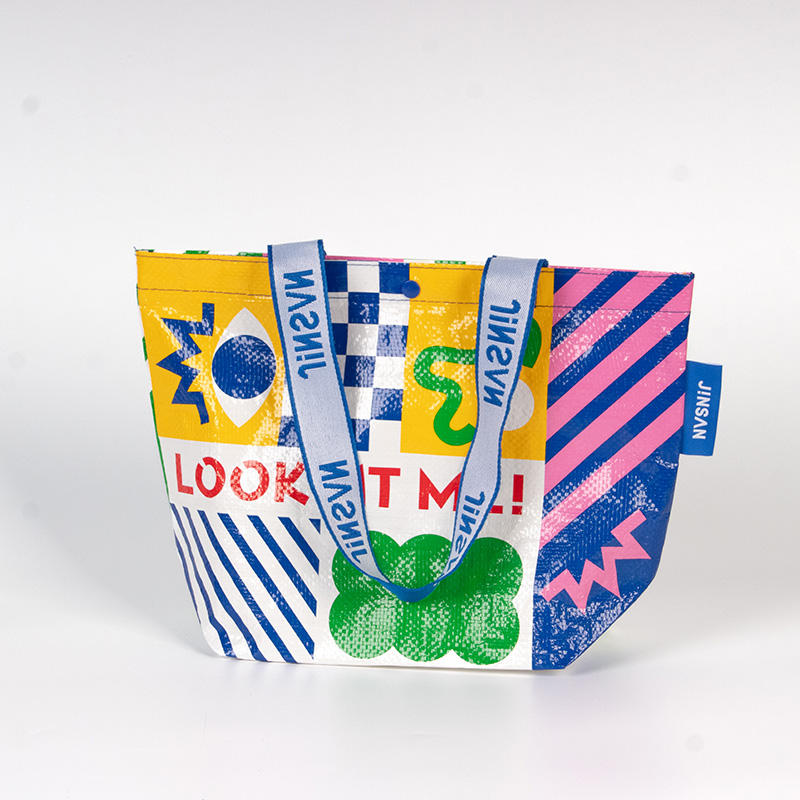
The global shift toward sustainable packaging has pushed eco friendly PP woven bags into the spotlight across multiple industries. Retailers, agricultural suppliers, food processors, and logistics companies are all reconsidering their packaging choices as regulatory pressure, consumer demand, and corporate sustainability targets converge. Understanding how eco friendly PP woven bags compare across key market dimensions — including material performance, cost structure, environmental profile, and regional adoption — is now a critical business decision rather than a peripheral concern.
This article takes a structured look at how eco friendly PP woven bags measure up against alternative packaging formats, how different markets evaluate and adopt them, and what procurement teams, brand managers, and sustainability officers should understand before making sourcing decisions. The comparisons here are grounded in practical performance criteria and real-world usage contexts, offering a clearer picture of where these bags excel and where trade-offs must be considered.
Material Performance in a Competitive Packaging Landscape
Strength and Durability Across Bag Categories
One of the most significant reasons eco friendly PP woven bags continue to gain market share is their superior load-bearing capacity relative to their weight. Woven polypropylene construction creates a tight interlocking fabric structure that resists tearing, puncturing, and deformation even under heavy or irregular loads. This makes them particularly effective for bulk commodities such as grains, fertilizers, cement, and animal feed.
By comparison, paper-based alternatives — including kraft bags and multi-wall paper sacks — offer biodegradability advantages but fall short in moisture resistance and mechanical strength. Non-woven PP bags, while sharing some sustainability positioning, are structurally less robust and generally suited for lighter retail applications rather than industrial bulk handling. Eco friendly PP woven bags occupy a distinct position: reusable, durable, and load-capable in ways that most compostable alternatives simply cannot match at scale.
High-density polyethylene (HDPE) woven bags offer comparable strength, but polypropylene remains the preferred material for its lighter weight, better printability, and lower processing temperature requirements during manufacturing. In direct material-to-material comparisons, eco friendly PP woven bags consistently demonstrate a favorable balance between structural performance and environmental credentials.
Moisture Resistance and Environmental Durability
In humid climates and outdoor storage environments, moisture resistance is a decisive performance factor. Eco friendly PP woven bags with laminated or coated inner liners offer excellent resistance to moisture ingress, making them suitable for rice, flour, salt, and similar moisture-sensitive products. This characteristic gives them a clear advantage over standard paper sacks, which can degrade rapidly in high-humidity conditions.
Jute bags, often cited as an eco-friendly alternative with a natural and organic appeal, are susceptible to mold and moisture absorption in tropical environments. While jute carries strong branding value in premium retail contexts, its operational limitations in bulk or wet conditions make it a niche choice rather than a scalable replacement. Eco friendly PP woven bags maintain structural integrity across a broader range of environmental conditions, which explains their widespread adoption in Southeast Asia, South Asia, and Sub-Saharan Africa where humidity and outdoor logistics are everyday challenges.
Cost Structure and Lifecycle Value Comparisons
Unit Cost Versus Total Ownership Cost
From a unit cost perspective, eco friendly PP woven bags sit in a mid-range position. They are generally more expensive per unit than basic polyethylene bags but significantly more cost-effective on a per-use or per-kilogram-carried basis when reusability is factored in. A well-manufactured PP woven bag with reinforced handles can withstand dozens of use cycles, which dramatically reduces the total packaging cost over time.
Paper bags, while occasionally cheaper at the unit level for small formats, incur higher replacement costs in commercial operations due to their single-use or limited-reuse nature. For businesses managing high-volume, recurring packaging needs — supermarket chains, feed mills, construction material suppliers — the lifecycle economics of eco friendly PP woven bags tend to outperform both paper and non-woven alternatives when assessed honestly over a six to twelve-month period.
Customization costs are another dimension where eco friendly PP woven bags offer competitive value. CMYK printing directly onto the woven surface allows for full-color brand graphics, product information, and compliance labeling without the need for secondary labeling processes. This integrated printing capability reduces downstream packaging costs and supports consistent brand presentation across large production runs.
Supply Chain Efficiency and Sourcing Flexibility
The global supply chain for polypropylene woven fabric is mature and geographically distributed, which provides procurement teams with more sourcing options and competitive pricing leverage compared to specialty materials like jute or biodegradable composites. Eco friendly PP woven bags can be manufactured in consistent quality at scale, with standardized certifications for food contact safety, load capacity, and print durability.
Biodegradable packaging alternatives, while growing in availability, still face inconsistent quality standards, limited production scale, and higher price premiums — particularly for industrial-grade formats. For businesses managing tight margins and large volumes, eco friendly PP woven bags offer a pragmatic balance between sustainability commitment and operational reliability. The supply chain around these bags is well-established, making lead time management and inventory planning more predictable.
Environmental Profile and Sustainability Comparisons
Recyclability and End-of-Life Pathways
The sustainability case for eco friendly PP woven bags rests significantly on recyclability and reuse potential. Polypropylene (PP) is classified under resin identification code 5 and is accepted by recycling programs in many countries. When properly collected and processed, PP woven material can be recycled into new plastic products, reducing landfill contribution and supporting circular economy goals.
Single-use polyethylene bags, in contrast, have been targeted by regulatory bans across dozens of countries precisely because their thin-film format makes collection and recycling logistically difficult. Eco friendly PP woven bags are physically robust enough to be returned, collected, and processed through organized take-back systems — a model that is increasingly common in retail grocery and agricultural supply chains. This positions them more favorably in environmental audits and sustainability reporting frameworks.
Paper bags are fully biodegradable, which gives them an end-of-life advantage in uncontrolled disposal scenarios. However, their production is more resource-intensive in terms of water consumption and forestry impact, and they cannot be reused as frequently. A lifecycle assessment comparing eco friendly PP woven bags with paper often finds that the higher reuse frequency of woven PP narrows or reverses the environmental gap, especially when recycling infrastructure is in place.
Carbon Footprint Across the Product Lifecycle
Carbon footprint analysis for packaging materials must account for raw material extraction, manufacturing energy, transportation weight, and end-of-life processing. Eco friendly PP woven bags are lightweight relative to the loads they carry, which translates into lower transportation emissions per unit of cargo compared to heavier alternatives like woven jute or thick multi-wall paper sacks.
Manufacturing energy for PP woven fabric is moderate compared to the energy intensity of recycled paper production or biodegradable polymer synthesis. When the reuse cycle is extended through responsible use and return programs, the per-use carbon footprint of eco friendly PP woven bags becomes increasingly competitive. For companies with formal carbon accounting obligations, this reuse-adjusted footprint is an important differentiator when evaluating packaging formats.
Regional Market Adoption and Demand Patterns
High-Growth Markets and Driving Factors
Demand for eco friendly PP woven bags is growing most rapidly in markets where single-use plastic regulation intersects with high-volume packaging needs. South and Southeast Asian markets — including India, Vietnam, Thailand, and Bangladesh — represent both major production centers and fast-growing consumption markets for these bags. Agricultural commodities, construction materials, and fast-moving consumer goods all drive substantial volume in these regions.
In Africa, eco friendly PP woven bags are gaining traction as governments implement plastic reduction policies while simultaneously needing durable packaging for food security programs, aid distribution, and retail development. The combination of functional reliability and reusability aligns well with both government procurement criteria and commercial buyer requirements in these emerging markets.
European and North American markets are showing increased interest in eco friendly PP woven bags primarily within the retail grocery and promotional merchandise segments. Consumer-facing applications such as branded shopping bags and reusable tote alternatives have found strong traction, particularly where extended producer responsibility regulations are creating financial incentives for switching from single-use formats.
Sector-Specific Demand Variations
The agricultural sector remains the largest end-user of eco friendly PP woven bags globally, using them for seed packaging, fertilizer containment, grain storage, and crop transport. The combination of breathability (available in open weave formats), strength, and moisture resistance makes these bags uniquely suited to agrarian supply chains. Demand in this sector is relatively stable and price-sensitive, creating volume-driven market dynamics.
The retail sector is driving premiumization within the eco friendly PP woven bags category. Buyers in this segment prioritize print quality, handle strength, and aesthetic finish over raw load capacity. CMYK full-color printing, lamination options, and customized sizing are the key differentiators in retail procurement decisions. Brands treating packaging as an extension of their marketing identity are willing to pay a modest premium for higher-quality woven bag finishes.
Industrial and construction markets evaluate eco friendly PP woven bags primarily on weight ratings, UV resistance, and anti-slip properties for stacking. These buyers are less focused on aesthetics and more concerned with performance under storage and transport stress. Understanding these sector-specific priority differences is essential for suppliers and buyers positioning themselves in the correct market segment.
Customization, Branding, and Market Differentiation
Print Technology and Visual Identity
One competitive advantage that eco friendly PP woven bags hold over plain jute, paper, and non-woven alternatives is the sophistication of available print technology. CMYK printing on laminated PP woven fabric allows for photographic-quality images, complex color gradients, and fine text — all critical for brand-forward packaging in competitive retail environments. This level of print fidelity was historically difficult to achieve on woven substrates but is now widely available through modern rotogravure and flexographic printing systems.
For B2B buyers sourcing eco friendly PP woven bags for promotional use or seasonal campaigns, the ability to produce short runs with high visual impact creates genuine marketing value. The bags function as mobile brand assets rather than disposable containers, extending brand exposure well beyond the point of purchase. This dual role — functional packaging and brand vehicle — justifies higher per-unit investment for marketing-conscious buyers.
Size, Format, and Application Customization
Eco friendly PP woven bags are available in a wide range of sizes, handle configurations, gusset options, and closure types, which allows buyers to specify formats precisely aligned with their product and logistics requirements. From small retail shopping totes to large bulk FIBC (flexible intermediate bulk container) formats, the woven PP technology scales across an unusually broad application range. This flexibility is a key competitive differentiator when comparing with rigid packaging alternatives or single-format flexible materials.
Handle design in particular is a meaningful quality and market differentiation point. Loop handles, flat tape handles, die-cut handles, and rope handles each convey a different price point and intended use context. Premium retail buyers typically specify flat woven handles with reinforced gusset attachment, while grocery and agricultural buyers may prioritize volume efficiency and specify simpler sewn handle formats. Understanding these format preferences by market segment is essential for suppliers and procurement teams alike when evaluating the range of eco friendly PP woven bags available.
FAQ
How do eco friendly PP woven bags compare to non-woven bags in terms of durability?
Eco friendly PP woven bags are significantly more durable than non-woven PP bags. The woven construction creates a stronger, more tear-resistant fabric structure capable of carrying heavier loads and withstanding repeated use cycles. Non-woven bags are better suited for lightweight retail applications, while woven PP bags are designed for both retail and heavy industrial use.
Are eco friendly PP woven bags actually recyclable?
Yes, polypropylene (PP) is a recyclable plastic resin. Eco friendly PP woven bags can be recycled through programs that accept PP materials, which are increasingly common globally. Their durability also means they support extended reuse before entering the recycling stream, which improves their overall environmental profile compared to single-use packaging formats.
What factors should B2B buyers evaluate when sourcing eco friendly PP woven bags?
B2B buyers should evaluate load capacity ratings, print quality options, handle construction, material certifications (particularly for food contact applications), and the supplier's ability to meet volume and lead time requirements. For branded applications, print fidelity and lamination finish are key. For industrial use, UV resistance, weight ratings, and stacking strength are the primary criteria when selecting eco friendly PP woven bags.
How do eco friendly PP woven bags perform in humid and tropical environments?
Eco friendly PP woven bags perform reliably in humid and tropical conditions, particularly when produced with inner lamination or moisture-resistant liners. Unlike paper or jute alternatives, they do not absorb moisture or degrade rapidly in high-humidity storage environments. This makes them a preferred packaging format in tropical agricultural markets where moisture management is a critical operational requirement.