
 EN
EN

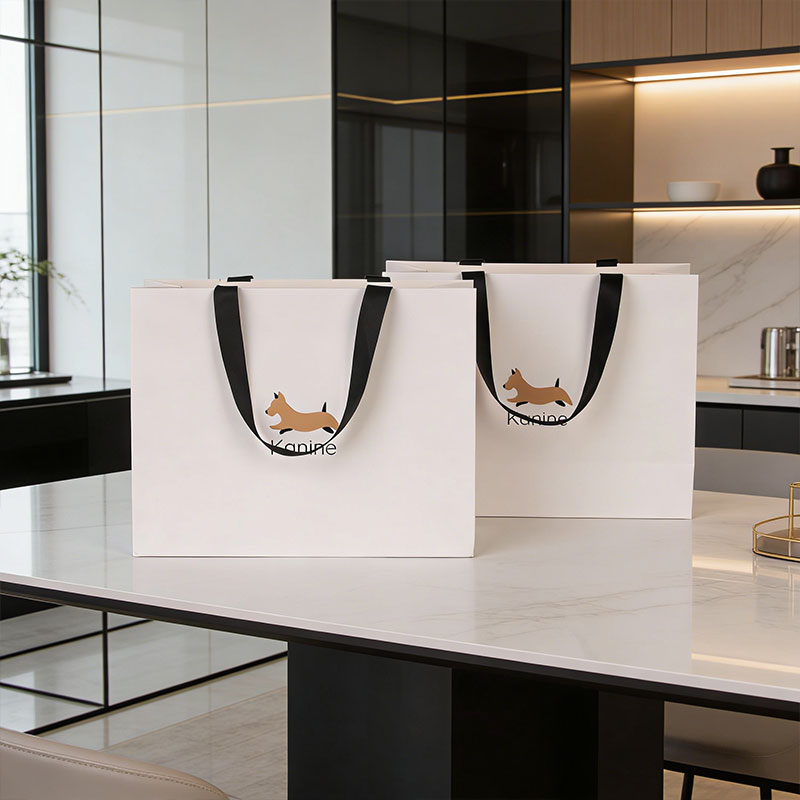
In an era where every customer touchpoint contributes to the overall perception of a brand, packaging has evolved far beyond its original purpose of simply containing goods. custom paper grocery bags have emerged as one of the most strategically valuable tools in a retailer's or brand manager's toolkit. They carry products, but more importantly, they carry identity, values, and visual messaging directly into the hands — and homes — of customers.
The potential locked inside custom paper grocery bags is often underestimated by businesses that treat packaging as an afterthought. When designed and deployed with intentionality, these bags act as mobile brand ambassadors — seen on sidewalks, in offices, and across social media. Understanding how to maximize brand expression through custom paper grocery bags requires a structured approach that blends visual design, material strategy, printing technique, and audience alignment.
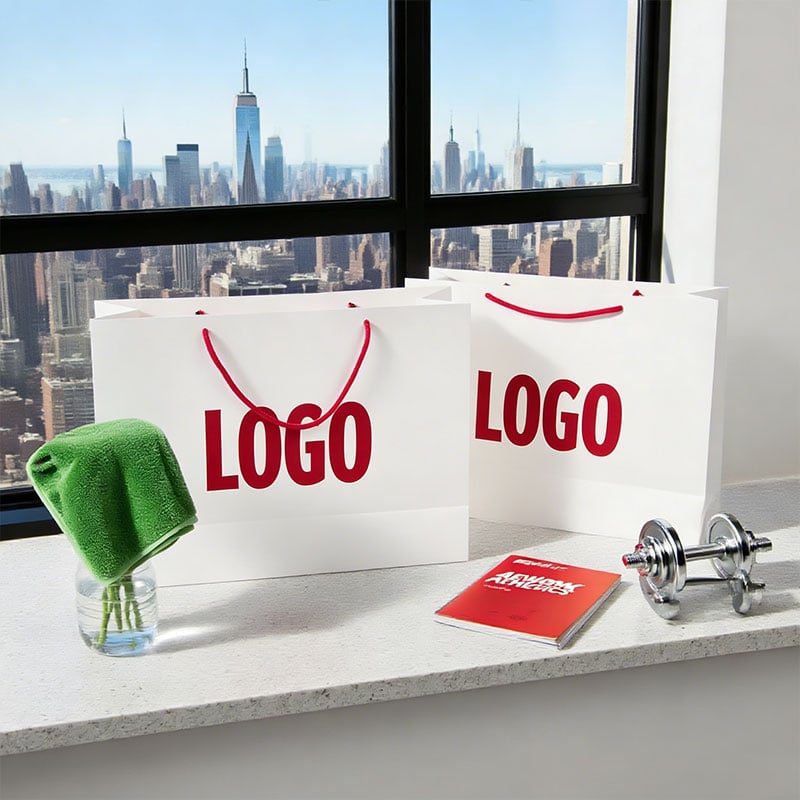
The Strategic Role of Packaging in Brand Communication
Why Packaging Is No Longer Just Functional
Modern consumers do not separate the product experience from the packaging experience. The moment a customer receives a beautifully crafted custom paper grocery bag, they are already forming an impression about the brand's standards, values, and attention to detail. This first physical interaction is a powerful emotional trigger that shapes purchase memory and loyalty.
Packaging has become a medium in its own right. Brands that invest in well-designed custom paper grocery bags are effectively buying ongoing visibility — each bag that travels through a public space becomes an unpaid advertising impression. The cumulative effect of this street-level exposure can be substantial, particularly for boutique retailers, specialty food stores, and premium brands.
For B2B buyers, brand managers, and retail procurement professionals, the business case for upgrading to custom paper grocery bags is increasingly compelling. The cost per impression of a thoughtfully designed bag that gets reused multiple times is remarkably low compared to traditional print or digital advertising.
Custom Paper Grocery Bags as a Reflection of Brand Identity
A bag's color palette, typography, logo treatment, and finish all communicate the brand's personality before a single word is read. Luxury boutiques favor embossed or hot-stamped logos on matte paper to signal exclusivity. Health-conscious grocery brands lean toward kraft paper with clean, minimal design to communicate authenticity. Each aesthetic choice tells a story.
Custom paper grocery bags allow brands to maintain visual consistency across every transaction. This consistency reinforces brand recognition over time, especially in retail environments where customers encounter multiple competing visual messages simultaneously. The bag becomes an extension of the store's interior design, website aesthetic, and social media presence.
When custom paper grocery bags are designed with brand guidelines at the center — not as a secondary consideration — they elevate the perceived value of every product they carry, creating a halo effect that enhances the customer's overall satisfaction.
Key Design Elements That Drive Brand Expression
Logo Placement and Print Technique
The logo is the most fundamental element of brand expression on any packaging surface, and custom paper grocery bags offer generous canvas space for intelligent placement. Strategic positioning of the logo — centered, oversized, or asymmetrically placed for a modern aesthetic — can dramatically change the tone of the design. High-impact logo placement ensures that the bag is instantly recognizable even from a distance.
Print technique plays an equally decisive role. Offset printing delivers photographic-quality color reproduction ideal for complex brand graphics. Flexographic printing suits large-volume, cost-efficient production runs. Hot stamping with metallic foil, such as gold or silver, introduces a tactile luxury element that elevates custom paper grocery bags into premium territory. The choice of technique must align with the brand's positioning and the volume requirements of the order.
Spot UV coating applied selectively to logo areas creates a glossy contrast against a matte background, drawing the eye directly to the brand mark. These finishing techniques transform custom paper grocery bags from utilitarian carriers into designed objects that communicate craftsmanship and care.
Color Strategy and Material Selection
Color is the most immediately processed visual signal in human perception. Brand colors applied consistently across custom paper grocery bags create subconscious recognition that builds over time. Color psychology matters here — warm tones convey energy and approachability, cool tones suggest reliability and sophistication, and neutral earth tones communicate organic authenticity.
Material selection directly impacts how color and print appear in the final product. White kraft paper offers bright, vivid color reproduction that suits fashion and food retail brands requiring bold visual statements. Natural brown kraft paper adds an organic, sustainable quality that resonates with eco-conscious consumers. Coated papers support fine-detail printing and luxury finishes that suit high-end boutique environments.
The weight and rigidity of the paper also communicate quality. Heavier-weight paper in custom paper grocery bags physically conveys durability and premium construction, which subtly reinforces the perception that the brand values quality throughout every detail of the customer experience.
Structural and Functional Considerations for Maximum Impact
Handle Style as a Brand Statement
The handle is one of the most tactile elements of custom paper grocery bags, and its style communicates brand positioning as clearly as any printed graphic. Twisted paper handles in matching brand colors add a cohesive, intentional touch. Ribbon handles in silk or satin elevate the unboxing-adjacent experience and are particularly effective for premium gift retail or boutique grocery environments.
Flat die-cut handles integrated directly into the bag's structure convey clean, minimal design sensibility. Cotton rope handles suggest artisanal quality and durability. Each handle choice shapes the handling experience and, by extension, the emotional memory the customer associates with the transaction. For brands that rely on repeat purchase behavior, this emotional layer matters significantly.
When procuring custom paper grocery bags at scale, specifying handle material and attachment method is critical to maintaining consistent quality across production batches. Reinforced handle attachment points also ensure the bag performs reliably under load, protecting both the product inside and the brand's reputation for quality.
Size, Structure, and Versatility
Custom paper grocery bags are available in a range of structural formats — from simple flat-bottomed totes to gusseted designs with expanded base volume. The structural choice should serve both practical needs and aesthetic goals. A well-proportioned bag that comfortably holds the brand's typical product assortment without looking oversized or cramped communicates operational competence.
Gusseted base construction expands the carrying capacity of custom paper grocery bags without increasing their visual footprint, making them a practical choice for grocery retailers with varied product sizes. Reinforced base boards protect both the contents and the bag's structure, maintaining a clean, upright presentation that maximizes logo visibility throughout the customer's journey.
Offering multiple size variants under the same visual design system creates a family of custom paper grocery bags that projects organizational coherence. Customers who receive consistently designed bags across multiple purchases build a stronger visual association with the brand over time.
Sustainability as a Brand Expression Strategy
Eco-Conscious Packaging and Brand Values Alignment
Sustainability is no longer a niche concern — it is a mainstream brand expectation. Custom paper grocery bags made from responsibly sourced or recycled paper communicate that a brand's values extend beyond the product itself. For grocery retailers, food brands, and specialty stores, this alignment between operational choice and brand values builds authentic credibility with environmentally aware consumers.
Choosing paper stock certified by recognized environmental standards communicates transparency and accountability. Soy-based or water-based inks used in printing custom paper grocery bags further reduce the environmental footprint of the packaging without compromising print quality. These choices can and should be communicated on the bag itself — a small footer message about sustainable materials reinforces the brand's commitment at the point of customer interaction.
For B2B buyers managing procurement for multi-location retail operations, standardizing on sustainable custom paper grocery bags simplifies regulatory compliance in markets with packaging sustainability mandates, while simultaneously delivering a consistent brand message that resonates across diverse consumer demographics.
Durability and Reuse as Extended Brand Exposure
A durable custom paper grocery bag that customers choose to reuse is an ongoing advertisement. The longer a bag remains in circulation — carried to markets, used for storage, or repurposed for gifting — the more brand impressions it generates beyond the original purchase moment. Investing in higher-quality paper weight and construction for custom paper grocery bags directly extends this reuse lifecycle.
Reusable custom paper grocery bags also signal a brand's confidence in its own aesthetic. A bag that a customer is proud to carry in public is the highest validation of the design investment. Achieving that outcome requires a genuine commitment to quality at every stage: material sourcing, print execution, structural engineering, and finishing.
When evaluating suppliers for custom paper grocery bags, requesting samples across multiple production batches ensures consistency that protects brand standards. Quality variance between batches is one of the most common sources of brand dilution in high-volume packaging programs, and proactive quality verification at the procurement stage prevents costly corrections downstream.
Procurement and Production Strategy for Brand-Focused Buyers
Briefing for Customization: What to Specify
Achieving optimal brand expression through custom paper grocery bags begins with a precise and comprehensive creative brief. Procurement teams and brand managers should specify paper grade, weight, finish type, bag dimensions, handle style and material, print technique, color references in both Pantone and CMYK formats, and any special finishing requirements such as hot stamping, embossing, or spot UV. The more precise the brief, the closer the final product will match brand standards.
Providing vector-format brand assets — particularly logos and typography — is essential for achieving clean reproduction on custom paper grocery bags. Raster images or low-resolution files introduce quality risks at the print stage that are difficult to recover from. Working with a supplier that offers pre-production digital proofs and physical strike-off samples before full production runs allows for brand-accurate validation before volume commitment.
Minimum order quantities for custom paper grocery bags vary by supplier and complexity of customization. Planning procurement cycles around realistic lead times — particularly for orders involving special finishes or multi-color printing — ensures that brand-quality packaging is available consistently without supply disruptions that force compromise on packaging standards.
Scaling Custom Packaging Across Channels
For brands operating across both physical retail and e-commerce channels, custom paper grocery bags can serve both in-store and fulfillment functions when designed with flexibility in mind. A bag sized and structured for grocery carry is equally effective as a secondary outer packaging layer for shipped goods, provided the construction supports the physical demands of transit handling.
Unifying the visual identity of custom paper grocery bags across all customer-facing channels creates a seamless brand experience that modern consumers expect. Customers who interact with a brand both online and in-store should encounter consistent packaging design that reinforces a single, clear brand narrative regardless of how or where they shop.
Phased rollout strategies — piloting updated custom paper grocery bags in flagship locations before scaling to the full retail network — allow brand managers to gather practical feedback on construction performance, customer response, and operational handling before full volume commitment. This approach balances brand investment with risk management effectively.
FAQ
What print techniques work best for maximizing brand visibility on custom paper grocery bags?
The most impactful techniques for brand visibility on custom paper grocery bags include offset printing for full-color photographic quality, hot stamping for metallic logo finishes that communicate luxury, and spot UV coating that draws the eye to specific brand elements through contrast. The right choice depends on the brand's positioning, the complexity of the artwork, and the order volume. Premium brands typically invest in hot stamping or embossing combined with high-quality paper stock to create a distinctive tactile and visual impression.
How does paper selection affect the final appearance of custom paper grocery bags?
Paper selection significantly influences both the visual and tactile outcome of custom paper grocery bags. White kraft paper produces bright, vivid color reproduction suitable for bold brand graphics, while natural brown kraft communicates an organic, artisanal quality. Coated papers support fine-detail printing and specialty finishes such as gloss lamination or matte varnish. Heavier paper weights improve structural integrity and convey premium construction, which enhances the perceived value of the products carried inside.
Can custom paper grocery bags serve as a cost-effective marketing channel?
Yes — when evaluated on a cost-per-impression basis, custom paper grocery bags consistently outperform many traditional advertising formats. Each bag generates brand impressions across every public environment it travels through, and high-quality bags that get reused multiply these impressions over an extended period. The key to maximizing marketing value is ensuring the design is compelling enough that customers choose to reuse the bag rather than discard it after a single use.
What should be included in a procurement brief for custom paper grocery bags?
A complete procurement brief for custom paper grocery bags should include precise bag dimensions, paper grade and weight, handle style and material, required print techniques, color references in Pantone and CMYK formats, finish specifications such as lamination or hot stamping, vector-format brand assets, intended use environment, expected order volume, and required lead time. The more detailed the brief, the more accurately the supplier can produce bags that meet brand standards and minimize costly revision cycles.
Table of Contents
- The Strategic Role of Packaging in Brand Communication
- Key Design Elements That Drive Brand Expression
- Structural and Functional Considerations for Maximum Impact
- Sustainability as a Brand Expression Strategy
- Procurement and Production Strategy for Brand-Focused Buyers
-
FAQ
- What print techniques work best for maximizing brand visibility on custom paper grocery bags?
- How does paper selection affect the final appearance of custom paper grocery bags?
- Can custom paper grocery bags serve as a cost-effective marketing channel?
- What should be included in a procurement brief for custom paper grocery bags?