
 EN
EN

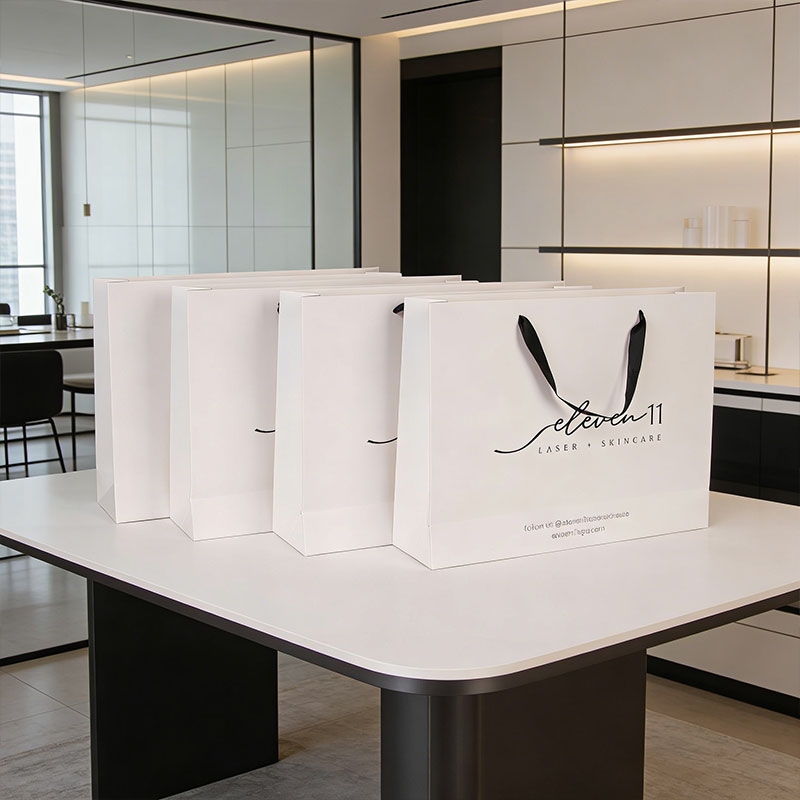
Implementing customized paper carrier bags effectively requires a strategic approach that balances brand recognition, customer experience, and operational efficiency. Modern businesses recognize that customized paper carrier bags serve as mobile advertising platforms while providing practical functionality for customers. The key to successful implementation lies in understanding design requirements, material selection, production processes, and distribution logistics that align with your brand objectives and customer expectations.
Effective implementation of customized paper carrier bags transforms ordinary packaging into powerful marketing tools that extend your brand reach beyond the point of sale. Companies that successfully implement these solutions typically see improved customer satisfaction, increased brand visibility, and enhanced perceived value of their products. The implementation process involves careful consideration of design elements, production specifications, quality standards, and deployment strategies that ensure consistent brand representation across all customer touchpoints.
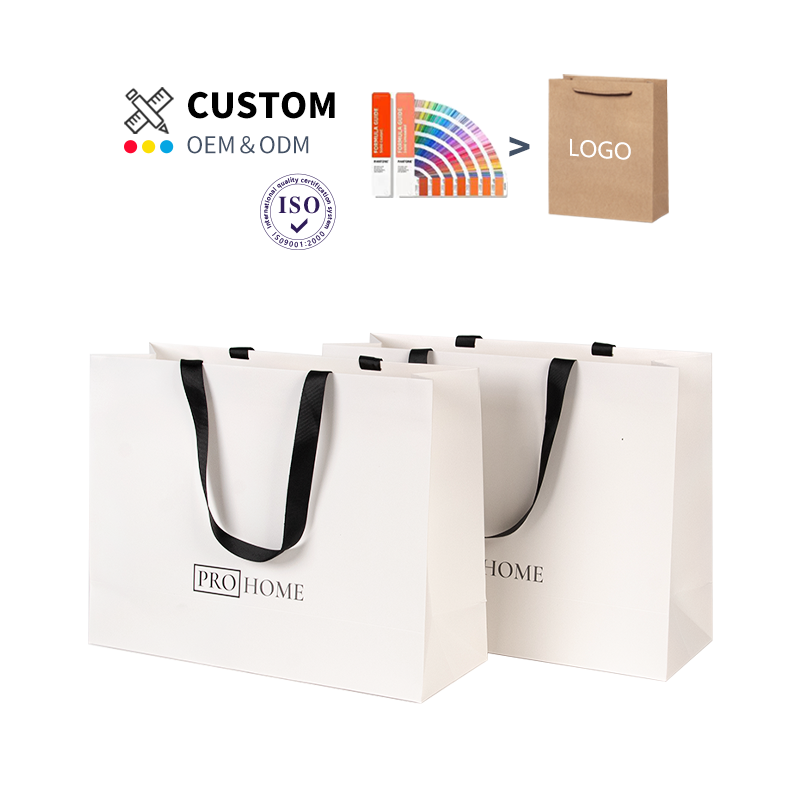
Strategic Design and Planning for Customized Paper Carrier Bags
Brand Identity Integration in Bag Design
Successful implementation of customized paper carrier bags begins with strategic brand identity integration that ensures visual consistency across all marketing materials. Your customized paper carrier bags should reflect core brand elements including logos, color schemes, typography, and messaging that customers immediately associate with your business. The design process requires careful consideration of printing techniques, color reproduction capabilities, and material characteristics that will accurately represent your brand identity.
Professional design teams typically recommend maintaining brand guideline compliance throughout the customization process to ensure that your customized paper carrier bags align with existing marketing collateral. This involves selecting appropriate color pantones, establishing logo placement guidelines, and determining text hierarchy that maximizes brand recognition while maintaining aesthetic appeal. The integration process should also consider seasonal variations, promotional campaigns, and special event requirements that may require design modifications.
Design integration extends beyond visual elements to include functional considerations such as handle placement, bag dimensions, and structural features that support your brand's quality standards. Effective customized paper carrier bags should communicate brand values through material selection, finishing techniques, and overall construction quality that reinforces customer perceptions of your business. The design planning phase should also establish production specifications that ensure consistent quality across different batch runs and supplier relationships.
Material Selection and Sustainability Considerations
Material selection represents a critical component of implementing customized paper carrier bags effectively, as it directly impacts durability, appearance, and environmental sustainability. Different paper grades offer varying levels of strength, printability, and cost efficiency that must align with your specific application requirements and budget constraints. The selection process should evaluate kraft paper weights, recycled content percentages, and certification standards that support your sustainability commitments.
Sustainability considerations increasingly influence material decisions for customized paper carrier bags as consumers demand environmentally responsible packaging solutions. Implementation strategies should prioritize recyclable materials, biodegradable options, and supplier certifications that demonstrate commitment to environmental stewardship. These material choices can become powerful marketing messages that differentiate your brand while supporting customer values and regulatory compliance requirements.
The material selection process should also consider practical performance requirements including weight capacity, moisture resistance, and handling durability that ensure customer satisfaction throughout the product lifecycle. Effective implementation requires testing different material combinations under real-world conditions to validate performance specifications before committing to large production runs. This testing phase helps identify potential issues and optimization opportunities that improve overall implementation success.
Production Planning and Quality Control Systems
Manufacturing Process Optimization
Implementing customized paper carrier bags effectively requires comprehensive production planning that optimizes manufacturing processes while maintaining consistent quality standards. The production phase involves coordinating design specifications, material procurement, printing operations, and finishing processes that transform raw materials into finished products. Effective implementation establishes clear production timelines, quality checkpoints, and communication protocols that ensure smooth execution throughout the manufacturing cycle.
Manufacturing optimization for customized paper carrier bags typically involves selecting appropriate printing technologies, establishing color management systems, and implementing quality control procedures that maintain consistency across production runs. Digital printing offers flexibility for smaller quantities and variable data applications, while offset printing provides cost efficiency for larger volumes with consistent design requirements. The implementation strategy should evaluate these options based on order volumes, design complexity, and timeline requirements.
Production planning must also address finishing operations including die-cutting, handle attachment, and quality inspection processes that ensure completed customized paper carrier bags meet specification requirements. Effective implementation establishes standard operating procedures, quality metrics, and corrective action protocols that maintain production efficiency while delivering consistent results. These systems should include supplier qualification processes, incoming material inspections, and finished product testing that validates performance standards.
Quality Assurance and Testing Protocols
Quality assurance represents a fundamental component of implementing customized paper carrier bags effectively, as product defects can negatively impact brand perception and customer satisfaction. Comprehensive testing protocols should evaluate structural integrity, print quality, handle strength, and overall appearance consistency that meets your established standards. The quality system should include incoming material inspections, in-process monitoring, and finished product validation that identifies potential issues before customer delivery.
Testing protocols for customized paper carrier bags typically include weight capacity testing, handle pull strength evaluation, and print adhesion assessment that validates performance under normal use conditions. These tests help identify design improvements, material optimizations, and production adjustments that enhance overall product quality and customer satisfaction. Implementation should establish clear acceptance criteria, testing frequencies, and documentation requirements that support continuous improvement initiatives.
The quality assurance system should also include supplier audits, process capability studies, and customer feedback analysis that provide insights for implementation optimization. Regular quality reviews help identify trends, prevent recurring issues, and drive process improvements that enhance the effectiveness of your customized paper carrier bags program. These reviews should involve cross-functional teams including design, production, quality, and customer service representatives who contribute different perspectives on implementation success.
Distribution and Inventory Management Strategies
Supply Chain Coordination and Logistics
Effective implementation of customized paper carrier bags requires sophisticated supply chain coordination that ensures product availability while minimizing inventory costs and storage requirements. Distribution strategies must balance lead times, order quantities, and seasonal demand fluctuations that influence purchasing decisions and inventory management approaches. The coordination process involves establishing supplier relationships, transportation arrangements, and warehouse operations that support consistent product availability.
Supply chain coordination for customized paper carrier bags typically involves forecasting demand patterns, establishing safety stock levels, and implementing inventory tracking systems that provide visibility throughout the distribution network. Effective implementation requires collaboration between suppliers, logistics providers, and internal teams to optimize order quantities, delivery schedules, and storage arrangements. These coordination efforts help minimize stockouts while avoiding excess inventory that ties up working capital.
Logistics considerations include packaging requirements, transportation methods, and handling procedures that maintain product quality throughout the distribution process. Implementation strategies should address potential damage risks, storage conditions, and handling requirements that ensure customized paper carrier bags arrive in perfect condition for end-use applications. The distribution system should also accommodate special requirements such as rush orders, seasonal peaks, and promotional campaigns that require flexible response capabilities.
Inventory Optimization and Demand Planning
Inventory optimization represents a critical success factor for implementing customized paper carrier bags effectively, as it directly impacts service levels, carrying costs, and operational efficiency. Demand planning processes should analyze historical usage patterns, seasonal variations, and promotional requirements that influence inventory needs throughout the year. The optimization approach must balance service level objectives with cost minimization goals that support overall business profitability.
Effective inventory management for customized paper carrier bags involves establishing reorder points, economic order quantities, and safety stock levels that account for demand variability and supply lead times. Implementation should include inventory tracking systems, automatic reordering capabilities, and exception reporting that identifies potential stockout situations before they impact customer service. These systems help maintain optimal inventory levels while minimizing carrying costs and obsolescence risks.
Demand planning processes should also consider product lifecycle management, design change requirements, and promotional campaign impacts that influence inventory requirements. Regular demand reviews help identify trends, seasonal patterns, and special events that require inventory adjustments or procurement modifications. The planning process should involve sales teams, marketing departments, and operations personnel who provide insights into future demand requirements and implementation challenges.
Performance Measurement and Continuous Improvement
Key Performance Indicators and Success Metrics
Measuring the effectiveness of customized paper carrier bags implementation requires establishing comprehensive key performance indicators that track both operational efficiency and customer satisfaction outcomes. Success metrics should include cost per unit, quality defect rates, delivery performance, and customer feedback scores that provide insights into overall program effectiveness. The measurement system should establish baseline performance levels, target improvements, and reporting frequencies that support continuous improvement initiatives.
Performance measurement for customized paper carrier bags typically includes brand awareness impact, customer retention rates, and marketing effectiveness metrics that demonstrate return on investment. These measurements help justify program costs while identifying optimization opportunities that enhance overall implementation success. The measurement framework should include leading indicators that predict future performance and lagging indicators that confirm actual results against established objectives.
Data collection systems should capture both quantitative metrics and qualitative feedback that provide comprehensive insights into implementation effectiveness. Regular performance reviews help identify trends, benchmark against industry standards, and drive improvement initiatives that optimize the customized paper carrier bags program. These reviews should involve stakeholders from different functional areas who contribute diverse perspectives on performance drivers and improvement opportunities.
Optimization Strategies and Implementation Refinements
Continuous improvement represents an essential component of implementing customized paper carrier bags effectively, as market conditions, customer preferences, and operational capabilities evolve over time. Optimization strategies should address design enhancements, production efficiencies, and distribution improvements that reduce costs while improving customer satisfaction. The improvement process requires systematic analysis of performance data, customer feedback, and operational metrics that identify specific enhancement opportunities.
Implementation refinements for customized paper carrier bags often focus on material substitutions, design simplifications, and production process improvements that reduce costs while maintaining quality standards. These refinements should consider sustainability enhancements, supplier consolidation opportunities, and technology upgrades that improve overall program effectiveness. The optimization process should evaluate both incremental improvements and significant changes that could transform implementation approaches.
Refinement strategies should also address emerging market trends, regulatory changes, and competitive pressures that influence implementation requirements. Regular strategy reviews help ensure that customized paper carrier bags programs remain aligned with business objectives while adapting to changing market conditions. These reviews should consider customer feedback, supplier capabilities, and internal resource availability that affect implementation success and optimization potential.
FAQ
How long does it typically take to implement a customized paper carrier bags program?
Implementation timelines for customized paper carrier bags programs typically range from 4-8 weeks depending on design complexity, order quantities, and production schedules. The timeline includes design development, sample approval, production setup, manufacturing, quality control, and delivery phases that must be coordinated effectively. Rush orders may be accommodated with expedited processing, though this often involves premium pricing and limited design options.
What minimum order quantities are typically required for customized paper carrier bags?
Minimum order quantities for customized paper carrier bags vary significantly based on printing methods, bag sizes, and design complexity, typically ranging from 500 to 5,000 pieces per design. Digital printing technologies often accommodate smaller quantities with higher per-unit costs, while offset printing requires larger volumes for cost efficiency. The implementation strategy should consider total annual volumes and order frequency patterns when determining optimal order quantities.
How can businesses ensure consistent quality when implementing customized paper carrier bags across multiple suppliers?
Consistent quality across multiple suppliers requires establishing detailed specifications, standardized testing protocols, and regular quality audits that ensure compliance with established standards. Implementation should include supplier qualification processes, approved vendor lists, and performance monitoring systems that track quality metrics over time. Clear communication of requirements, regular supplier reviews, and corrective action procedures help maintain consistency across different production sources.
What factors should be considered when determining the cost-effectiveness of customized paper carrier bags implementation?
Cost-effectiveness evaluation should consider total program costs including design, production, inventory, and distribution expenses compared to marketing value, customer satisfaction benefits, and brand awareness improvements. The analysis should include both direct costs and indirect benefits such as increased customer loyalty, word-of-mouth marketing, and competitive differentiation advantages. Implementation decisions should also consider long-term strategic value and sustainability benefits that may justify higher initial investments.
Table of Contents
- Strategic Design and Planning for Customized Paper Carrier Bags
- Production Planning and Quality Control Systems
- Distribution and Inventory Management Strategies
- Performance Measurement and Continuous Improvement
-
FAQ
- How long does it typically take to implement a customized paper carrier bags program?
- What minimum order quantities are typically required for customized paper carrier bags?
- How can businesses ensure consistent quality when implementing customized paper carrier bags across multiple suppliers?
- What factors should be considered when determining the cost-effectiveness of customized paper carrier bags implementation?