 EN
EN
Այսօրվա միջավայրի նկատմամբ գիտակցված շուկայում ձեռնարկությունները ավելի ու ավելի են փնտրում կայուն սարքավորման լուծումներ, որոնք համապատասխանում են սպառողների արժեքներին և կարգավորող պահանջներին: Կրաֆտ թղթե տոպրակը ներկայացնում է ամենագործնական և էկոլոգիապես մաքուր այլընտրանքներից մեկը սովորական պլաստիկ սարքավորման համար՝ առաջարկելով նշանակալի միջավայրային առավելություններ՝ միաժամանակ պահպանելով գործառնական հավաստիությունը: Կրաֆտ թղթե տոպրակների օգտագործման առավելությունները շատ ավելի են ընդգրկում պարզ միջավայրային համապատասխանությունը՝ ներառելով ծախսերի արդյունավետությունը, բրենդի ամրապնդումը և սպառողների վրա ազդեցությունը, որոնք ուղղակիորեն ազդում են ձեռնարկության հաջողության վրա:
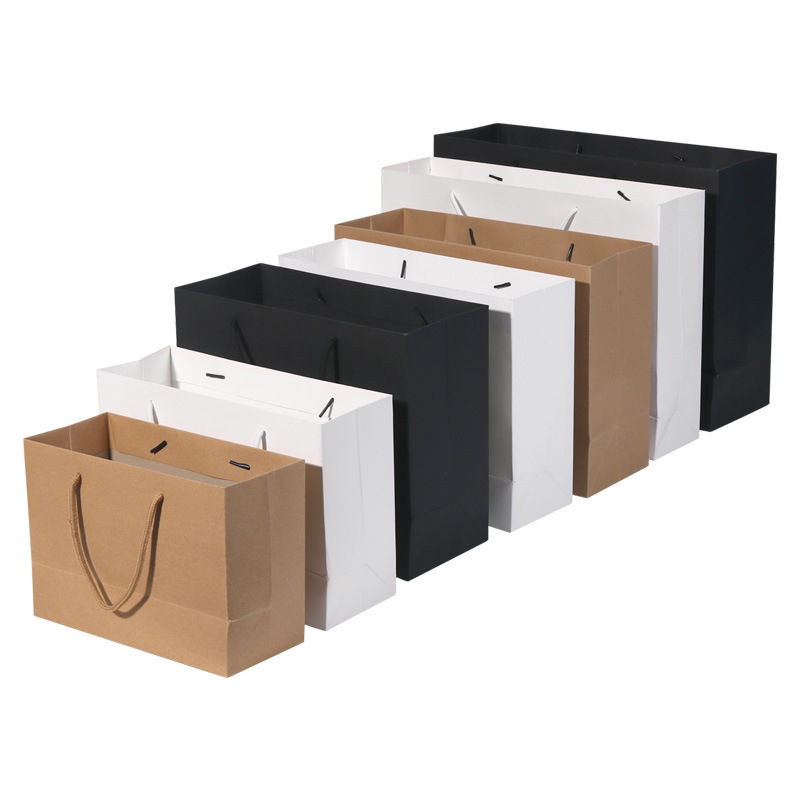
Կրաֆտ թղթե պայուսակների մատակարարման համապարփակ առավելությունների հասկանալը թույլ է տալիս ձեռնարկություններին տեղեկացված որոշումներ կայացնել իրենց մատակարարման ռազմավարության վերաբերյալ՝ միաժամանակ նպաստելով կայուն առևտրային գործունեության իրականացմանը: Այս առավելությունները ընդգրկում են բազմաթիվ ոլորտներ, այդ թվում՝ շրջակա միջավայրի վրա ազդեցության նվազեցումը, գործառնական արդյունավետության բարելավումը և հաճախորդների բավարարվածության մակարդակի բարձրացումը, որոնք համատեղաբար ապահովում են ձեռնարկության երկարաժամկետ արժեքը:
娏vironmental Sustainability Benefits
Կենսաքայքայվող նյութի կազմ
Կրաֆտ թղթե պայուսակները մեծ շրջակամիջավայրային առավելություններ են ապահովում իրենց կենսաքայքայվող նյութի կազմի շնորհիվ, որը բնական ճանապարհով քայքայվում է՝ չթողնելով վնասակար մնացորդներ: Ի տարբերություն պլաստիկ մատակարարման մյուս տարատեսակների, որոնք հարյուրավոր տարիներ են մնում սահմանափակ տարածքներում, կրաֆտ թուղթը բնական միջավայրային պայմանների ազդեցության տակ քայքայվում է մի քանի ամսվա ընթացքում: Այս կենսաքայքայվողության հատկանիշը նշանակալիորեն նվազեցնում է մատակարարման թափոնների երկարաժամկետ շրջակամիջավայրային հետքը:
Կրաֆտ թղթե պայուսակների բնական քայքայման գործընթացը տեղի է ունենում միկրոբիոլոգիական ազդեցության շնորհիվ, որը վերափոխում է ցելյուլոզային մանրաթելերը հետ դեպի օրգանական նյութ։ Այս գործընթացը հարստացնում է հողի կազմը՝ այն չաղտոտելով, և ստեղծում է դրական շրջակա միջավայրի շրջանառություն։ Այն ձեռնարկությունները, որոնք օգտագործում են կրաֆտ թղթե պայուսակների լուծումներ, ուղղակիորեն նպաստում են թափոնների նվազեցման ծրագրերին՝ միաժամանակ համապատասխանելով ավելի խիստ շրջակա միջավայրի պահպանման կանոնակարգերին։
Ավելին, կրաֆտ թղթե պայուսակների կենսաքայքայվող բնույթը վերացնում է ծովային աղտոտման և վայրի բնության վրա վնասակար ազդեցության վերաբերյալ մտահոգությունները, որոնք կապված են պլաստիկ տարաների հետ։ Ճիշտ վերամշակման դեպքում այս պայուսակները անխաթար ներդրվում են բնական էկոհամակարգերի մեջ՝ չխախտելով էկոլոգիական հավասարակշռությունը կամ սննդային շղթաները։
Վերականգնվող ռեսուրսների օգտագործում
Կրաֆտ թղթե տոպրակները ստացվում են վերականգնվող փայտանյութի մանրաթելային ռեսուրսներից, որոնք կարող են կայուն կերպով հավաքվել և վերատնկվել՝ ապահովելով անընդհատ հասանելիություն՝ առանց բնական պաշարները սպառելու: Այս վերականգնվող ռեսուրսների հիմքը տարբերակում է կրաֆտ թղթե փաթեթավորումը նավթի վրա հիմնված այլընտրանքներից, որոնք կախված են սահմանափակ բրածո վառելիքի ռեսուրսներից: Պատասխանատու անտառտնտեսության գործելակերպը նպաստում է կրաֆտ թղթե տոպրակների նյութերի կայուն արտադրությանը՝ միաժամանակ պահպանելով անտառային էկոհամակարգերը:
Կրաֆտ թղթե պայուսակների արտադրման գործընթացը օգտագործում է արագ աճող ծառատեսակների փայտային մածուցիկ զանգված, որը կարող է ցիկլային կերպով հավաքվել՝ առանց վնասելու անտառների առողջությունը: Ժամանակակից անտառային կառավարման մեթոդները ապահովում են, որ թղթի արտադրության համար ծառերի հավաքումը իրականում աջակցում է անտառների վերականգնմանը և ածխածնի կուտակման ջանքերին: Այս կայուն մոտեցումը ստեղծում է փակ ցիկլի համակարգ, որտեղ տարաների նյութերը նպաստում են շրջակա միջավայրի վերականգնմանը՝ այլ ոչ թե վնասմանը:
Ավելին, կրաֆտ թղթի պայուսակների վերականգնվող բնույթը ապահովում է ձեռնարկությունների մատակարարման շղթայի կայունություն՝ միաժամանակ աջակցելով կայուն անտառային արդյունաբերությանը: Կրաֆտ թղթի փաթեթավորման ընտրությունը ձեռնարկությունների կողմից վկայում է միջավայրի պաշտպանության նկատմամբ պատասխանատվության մասին և միաժամանակ ապահովում է փաթեթավորման նյութերի հավաստի մատակարարումը՝ համապատասխանելով երկարաժամկետ կայունության նպատակներին:
Ավանդական հատուկ ուղեցումի միջավորում
Կրաֆտ թղթի պայուսակների արտադրությունը և վերացումը առաջացնում են զգալիորեն ավելի ցածր ածխածնի արտանետումներ, քան պլաստիկ փաթեթավորման այլընտրանքային տարբերակները, ինչը նպաստում է ձեռնարկությունների ածխածնի հետքի նվազեցման նպատակներին: Կրաֆտ թղթի արտադրությունը պահանջում է պակաս էներգատար գործընթացներ և արտադրության ամբողջ ցիկլում առաջացնում է ավելի քիչ ջերմային գազերի արտանետումներ: Այս միջավայրային առավելությունը ավելի կարևոր է դառնում, քանի որ ձեռնարկությունները դիմագրավում են ածխածնի հաշվետվության պահանջներին և կլիմայական փոփոխության դեմ միջոցառումների ճնշմանը:
Տրանսպորտային արդյունավետությունը նաև նպաստում է կրաֆտ թղթե պայուսակների փաթեթավորման նվազեցված ածխածնի հետքի ձևավորմանը, քանի որ այդ պայուսակները կարող են արդյունավետ կերպով փաթեթավորվել և տեղափոխվել սեղմված ձևաչափերով: Կրաֆտ թղթե պայուսակների թեթև բնույթը նվազեցնում է ուղարկման քաշը և բաշխման ընթացքում վառելիքի սպառումը, ինչը ստեղծում է լրացուցիչ շրջակա միջավայրի վրա ազդեցության նվազեցման առավելություններ ամբողջ մատակարարման շղթայում: Այդ տրանսպորտային արդյունավետությունները թարգմանվում են ինչպես շրջակա միջավայրի վրա ազդեցության նվազեցման, այնպես էլ ձեռնարկատիրական ծախսերի նվազեցման առավելությունների:
Կրաֆտ թղթե պայուսակների կյանքի վերջի ածխածնի ազդեցությունը մնում է նվազագույն՝ նրանց կենսաքայքայվող բնույթի և վերամշակման համատեղելիության շնորհիվ: Ի տարբերություն պլաստիկ պայուսակների, որոնք քայքայման ընթացքում արտանետում են վնասակար քիմիական միացություններ, կրաֆտ թղթե պայուսակները մաքրապես քայքայվում են՝ առանց թույլ տալու թույլատրելի չեն թույլատրվող արտանետումներ կամ մթնոլորտային աղտոտման նպաստելու:
Ֆունկցիոնալ կատարման առավելություններ
Կոնստրուկտիվ ամրություն և տևականություն
Չնայած թղթե տարաների փխրունության վերաբերյալ տարածված սխալ պատկերացումների, կրաֆտ թղթե պայուսակները առաջարկում են հիասքանչ կառուցվածքային ամրություն և դիմացկունություն, որոնք բավարարում են խիստ առևտրային տարաների պահանջները: Կրաֆտ թղթի արտադրման գործընթացը ստեղծում է ուժեղ մածուցիկ կապեր, որոնք դիմացկուն են ճեղքմանը և ապահովում են հուսալի պահպանում տարբեր տեսակի ապրանքների համար: Այս կառուցվածքային ամբողջականությունը կրաֆտ թղթե պայուսակները հարմարեցնում է կիրառման համար՝ սկսած թեթև մանրավաճառային ապրանքներից մինչև ծանր արդյունաբերական ապրանքներ:
caucasean վերին շերտերի կառուցվածքը, որը հասանելի է caucasean կրաֆտ թղթե պայուսակների caucasean դիզայններում, բարձրացնում է բեռնատարողությունը՝ միաժամանակ պահպանելով ճկունությունը: Ամրացման տարբերակներ, այդ թվում՝ պտտվող թղթե բռնակներ, պայուսակի ստորին մասի գուսետներ և կողային մասերի ամրացումներ, ավելացնում են կառուցվածքային ամրությունը ծանր օգտագործման դեպքերում: Այս դիզայնի առանձնահատկությունները հնարավորություն են տալիս kraft paper bag լուծումներին առանց վատթարման մրցել պլաստիկ այլընտրանքների հետ գործառնական կատարումների տեսանկյունից:
Բարձրորակ կրաֆտ թղթե պայուսակները ցուցադրում են հիասքանչ ծակման դիմացկունություն և չափային կայունություն սովորական օգտագործման պայմաններում: Բնական մանրաթելերի բաղադրությունը ապահովում է ճկունություն, որը կանխում է մաքուր ճեղքվելը՝ միաժամանակ պահպանելով ձևի ամբողջականությունը պահեստավորման և տրանսպորտավորման ընթացքում: Այս տևականությունը երաշխավորում է վստահելի ապրանքի պաշտպանություն և պրոֆեսիոնալ ներկայացում ամբողջ բաշխման գործընթացում:
Խոնավության և յուղի դիմացկունության հատկություններ
Ժամանակակից կրաֆտ թղթե պայուսակների արտադրության մեջ ներառված են տարբեր մշակման տարբերակներ, որոնք բարելավում են խոնավության և յուղի դիմացկունությունը՝ կոնկրետ կիրառման պահանջներին համապատասխան: Կրաֆտ թղթե պայուսակների վրա կարող են կիրառվել մասնագիտացված ծածկույթներ և արգելակող շերտեր՝ չվնասելով դրանց կենսաքայքայվող հատկությունները, ինչը ստեղծում է սննդի սպասարկման և այլ խոնավության նկատմամբ զգայուն կիրառումների համար հարմար փաթեթավորման լուծումներ: Այս մշակումները ընդլայնում են կրաֆտ թղթե պայուսակների փաթեթավորման բազմազան արդյունաբերական ոլորտներում կիրառման հնարավորությունները:
Բնական կրաֆտ թուղթը բնական կերպով դիմացող է չոր պայմաններին և առանց լրացուցիչ մշակման ապահովում է բավարար պաշտպանություն շատ ոչ հեղուկ ապրանքների համար: Կրաֆտ թղթի մածուցիկ կառուցվածքը ստեղծում է բնական արգելափակում, որը կանխում է աղտոտումը՝ միաժամանակ թույլ տալով վերահսկվող խոնավության անցում, ինչը կանխում է խոնավի կուտակումը: Պաշտպանության և շնչելիության այս հավասարակշռությունը դարձնում է կրաֆտ թղթի տոպրակները գաղութային համար իդեալական ապրանքների համար, որոնք պահանջում են օդի շրջանառություն:
Կրաֆտ թղթի տոպրակների համար հասանելի սննդային մշակումները բավարարում են խիստ անվտանգության պահանջները՝ միաժամանակ պահպանելով շրջակա միջավայրի հետ համատեղելիությունը: Այս մասնագիտացված ծածկույթները ապահովում են ճարպային դիմացկունություն սննդի փաթեթավորման կիրառումների համար՝ առանց վնասակար քիմիական նյութերի մտցման կամ փաթեթավորման նյութի վերամշակելիության վնասման:
Պատրաստում և մարկային համարների համար առավելագույն համարներ
Կրաֆտ թղթե պայուսակները առաջարկում են բացառիկ հնարավորություններ հարմարեցման, որոնք թույլ են տալիս ձեռնարկություններին ստեղծել յուրահատուկ փաթեթավորման դիզայններ, որոնք ամրապնդում են բրենդի ինքնությունը և մարքեթինգային նպատակները: Բնական թղթի մակերեսը հարմար է տարբեր տպագրական տեխնիկաների համար, այդ թվում՝ օֆսետային տպագրության, ֆլեքսոգրաֆիկ տպագրության և թվային տպագրության, որոնք բարձր որակի գրաֆիկական պատկերներ և տեքստեր են ապահովում: Այս տպագրական բազմազանությունը ձեռնարկություններին հնարավորություն է տալիս իրենց փաթեթավորման վրա անմիջապես տեղադրել բարդ բրենդինգի տարրեր, ապրանքի մասին տեղեկատվություն և մարքեթինգային հաղորդագրություններ:
Կրաֆտ թղթե պայուսակների չափսերի և ձևի հարմարեցման տարբերակները համապատասխանում են տարբեր ապրանքների չափսերի և փաթեթավորման պահանջներին՝ առանց կարևոր մեքենայացման ներդրումների: Ստանդարտ արտադրական գործընթացներով կարելի է արտադրել կրաֆտ թղթե պայուսակներ գրեթե ցանկացած չափսի, միաժամանակ պահպանելով արժեքային արդյունավետությունը ինչպես փոքր, այնպես էլ մեծ արտադրատարողության դեպքում: Այս ճկունությունը հնարավորություն է տալիս ձեռնարկություններին օպտիմալացնել փաթեթավորման արդյունավետությունը՝ միաժամանակ ստեղծելով եզակի հաճախորդային փորձ:
Կարող են ներառվել բռնակների տարբերակներ, փակման մեխանիզմներ և դեկորատիվ տարրեր՝ կրաֆտ թղթե պայուսակների դիզայններում գործառնականությունն ու էսթետիկ հաճելիությունը բարելավելու համար: Այս հարմարեցված հատկանիշները թույլ են տալիս ձեռնարկություններին տարբերակել իրենց փաթեթավորումը՝ միաժամանակ պահպանելով շրջակա միջավայրի վրա ազդեցության նվազեցման առումով այն առավելությունները, որոնք սպառողները ավելի ու ավելի շատ են պահանջում կայուն բրենդներից:
Տնտեսական և բիզնես առավելություններ
Գումարարդյունավետության վերլուծություն
Կրաֆտ թղթե պայուսակների փաթեթավորման ծախսապարտեզությունը չի սահմանափակվում միայն սկզբնական գնման գներով, այլ ընդգրկում է ընդհանուր սեփականատիրական ծախսերը՝ ներառյալ պահեստավորման, մշակման և վերամշակման ծախսերը: Կրաֆտ թղթե պայուսակները սովորաբար մրցունակ գներ են առաջարկում պլաստիկ մեկնարկային տարբերակների համեմատ, միաժամանակ ավելացնելով արժեք մեծացված բրենդի ընկալմամբ և հաճախորդների բավարարվածությամբ: Տնտեսական առավելությունները ավելի շատ են դառնում, երբ ձեռնարկությունները հաշվի են առնում շրջակա միջավայրի վրա ազդեցության նվազեցման հետ կապված երկարաժամկետ ծախսերը և թափոնների կառավարման ծախսերը:
Պահեստավորման արդյունավետությունը կրաֆտ թղթե պայուսակների փաթեթավորման համար նշանակալի ծախսերի նվազեցման առավելություն է ներկայացնում, քանի որ այդ պայուսակները կարող են պահվել հարթ վիճակում և զբաղեցնել նվազագույն պահեստային տարածք՝ մինչև դրանք անհրաժեշտ չդառնան: Այս տարածքային արդյունավետությունը նվազեցնում է պահեստավորման ծախսերը և ապահովագրական կառավարման բարդությունը՝ համեմատած նախաձևավորված պլաստիկ փաթեթավորման հետ, որը պահանջում է զգալի պահեստավորման ծավալ: Կրաֆտ թղթե պայուսակների թեթև բնույթը նաև նվազեցնում է մշակման ծախսերը և ուղարկման ծախսերը ամբողջ մատակարարման շղթայում:
Կրաֆտ թղթե պայուսակների վերամշակման ծախսերը մնում են նվազագույն՝ շնորհիվ դրանց համատեղելիության ստանդարտ վերամշակման ծրագրերի և կենսաքայքայվող թափոնների մշակման համակարգերի հետ: Ձեռնարկությունները խուսափում են պլաստիկ թափոնների վերամշակման աճող ծախսերից և հատուկ մշակման պահանջներից, որոնք շատ իրավասություններ այժմ սահմանում են կենսաքայքայվող չլինելու փաթեթավորման նյութերի վրա:
Կարգավորող համապատասխանության առավելություններ
Կրաֆտ թղթի պայուսակների մեջ փաթեթավորումը օգնում է ձեռնարկություններին մնալ առաջ շրջակա միջավայրի վրա հիմնված կարգավորումների և պլաստիկի օգտագործման նվազեցման պահանջների զարգացման գործում, որոնք շարունակում են տարածվել ամբողջ աշխարհում: Շատ երկրներում արդեն մտցվել են կամ քննարկվում են մեկանգամյա պլաստիկ պայուսակների արգելքներ, ինչը կրաֆտ թղթի պայուսակների այլընտրանքային տարբերակները դարձնում է անհրաժեշտ շուկայավարման շարունակական մուտք ստանալու համար: Կրաֆտ թղթի պայուսակների մեջ փաթեթավորման վաղ ընդունումը ձեռնարկություններին դիրքավորում է առավելության վիճակում կարգավորման միտումների նկատմամբ՝ խուսափելով կարգավորման ճնշման տակ ծախսատար փաթեթավորման փոփոխություններից:
Պետական և կորպորատիվ շուկաներում «կանաչ» մատակարարման քաղաքականության հետ համապատասխանելը հաճախ պահանջում է կայուն փաթեթավորման լուծումներ, որոնք հեշտությամբ բավարարվում են կրաֆտ թղթի պայուսակներով: Այս քաղաքականությունները ավելի ու ավելի հաճախ սահմանում են շրջակա միջավայրի վրա հիմնված չափանիշներ, որոնք նախընտրում են կենսաքայքայվող և վերականգնվող փաթեթավորման նյութերը սովորական պլաստիկ տարբերակների փոխարեն: Կրաֆտ թղթի պայուսակների մեջ փաթեթավորում օգտագործող ձեռնարկությունները շուկայավարման մեջ ստանում են մրցակցային առավելություններ, որտեղ շրջակա միջավայրի վրա հիմնված համապատասխանությունը ազդում է գնման որոշումների վրա:
Միջազգային առևտրային համարձակումները նույնպես նպաստում են կրաֆտ թղթե տոպրակների օգտագործմանը՝ շնորհիվ խոշոր շուկաներում միասնական շրջակա միջավայրի ստանդարտների: Ի տարբերություն պլաստիկ տարաների, որոնք կարող են ենթարկվել տարբեր երկրներում տարբեր սահմանափակումների, կրաֆտ թղթե տոպրակները ընդհանուր առմամբ համապատասխանում են միջազգային շրջակա միջավայրի ստանդարտներին՝ առանց շուկայի համար հատուկ փոփոխությունների կամ համապատասխանության վավերագրման անհրաժեշտության:
Շուկայի դիրքավորում և բրենդի ուժեղացում
Կրաֆտ թղթե տարաների օգտագործումը կարևորապես բարելավում է բրենդի դիրքավորումը շրջակա միջավայրի պահպանման հանդեպ գիտակցված սպառողների շրջանում, որոնք ավելի ու ավելի շատ են գնման որոշումներ կայացնում հիմնված կայուն զարգացման չափանիշների վրա: Շուկայավարման հետազոտությունները միշտ ցույց են տալիս, որ սպառողները նախընտրում են այն բրենդները, որոնք իրենց տարաների ընտրությամբ ցույց են տալիս շրջակա միջավայրի նկատմամբ պատասխանատվություն: Այս նախընտրությունը թարգմանվում է չափելի բիզնես առավելությունների՝ ներառյալ հաճախորդների հավատարմության աճը, դրական բերանացի շուկայավարումը և cauc գնային հնարավորությունները:
Կրաֆտ թղթե պայուսակների էսթետիկ գրավչությունը նպաստում է cauc բրենդի դիրքավորմանը և բարելավում է հաճախորդի փորձը ապրանքի ներկայացման և նվերներ տալու առիթներին: Կրաֆտ թղթե տարաների բնական, արհեստավարժական տեսքը հաղորդում է որակի և շրջակա միջավայրի նկատմամբ պատասխանատվության զգացում, որը համապատասխանում է տարբեր շուկայական հատվածներում թիրախային դեմոգրաֆիական խմբերի սպասելիքներին: Այս տեսողական ազդեցությունը ստեղծում է հիշվող բրենդային փոխազդեցություններ, որոնք ազդում են կրկնակի գնումների վրա և հաճախորդների բրենդի նկատմամբ հավատարմության վրա:
Կորպորատիվ սոցիալական պատասխանատվության հաղորդագրությունները դառնում են ավելի հավաստի և ազդեցիկ, երբ աջակցվում են կոնկրետ գործողություններով, օրինակ՝ կայուն տարաների օգտագործմամբ: Կրաֆտ թղթե պայուսակների կիրառումը տրամաբանական ապացույց է մատակարարում շրջակա միջավայրի նկատմամբ պատասխանատվության մասին, ինչը բարելավում է կորպորացիայի համբավը և ստակհոլդերների վստահությունը: Արժեքների և գործողությունների այս համատեղելիությունը ուժեղացնում է բրենդի իսկականությունը այն ժամանակաշրջանում, երբ սպառողները մանրամասն վերլուծում են կորպորացիաների շրջակա միջավայրի վերաբերյալ հայտարարությունները:
Հաճախորդների ընդունումը և շուկայական միտումները
Աճող շրջակա միջավայրի նկատմամբ գիտակցություն
Սպառողների էկոլոգիական խնդիրների վերաբերյալ գիտակցությունը հասել է աննախադեպ մակարդակի, ինչը խթանում է գնումների վարքագծի կարևոր փոփոխություններ, որոնք նախընտրում են կայուն տարաներ, օրինակ՝ կրաֆտ թղթե տոպրակներ: Շուկայական հարցումները մշտապես ցույց են տալիս, որ սպառողները պատրաստ են վճարել բարձր գներ այն ապրանքների համար, որոնք տեղադրված են շրջակա միջավայրի համար անվտանգ նյութերից պատրաստված տարաներում: Այս միտումը ընկերությունների համար ստեղծում է ակնհայտ բիզնես խթաններ կրաֆտ թղթե տոպրակների օգտագործման ընդունման համար՝ որպես մրցակցային տարբերակիչ գործոն:
Կայունության վերաբերյալ գիտակցության սերնդային շարժը հատկապես ազդում է երիտասարդ սպառողների վրա, որոնք ապագայում կորոշեն շուկայի աճը: Այս սպառողները ակտիվորեն որոնում են այն բրենդները, որոնք համապատասխանում են իրենց էկոլոգիական արժեքներին և իրենց կայունության նկատմամբ իսկական նվիրվածությունը ցուցադրում են տարաների ընտրությամբ: Կրաֆտ թղթե տոպրակների օգտագործումը օգնում է ընկերություններին կապվել այս ազդեցիկ սպառողական խմբերի հետ՝ միաժամանակ կառուցելով երկարաժամկետ շուկայական հարաբերություններ:
Կրթական նախաձեռնությունները և շրջակա միջավայրի պաշտպանության աջակցությունը բարձրացրել են սպառողների գիտակցությունը ստվարաթղթի պայուսակների շրջակա միջավայրի վրա ունեցած ազդեցության վերաբերյալ, ինչը ստվարաթղթի պայուսակները դարձնում է շրջակա միջավայրի մասին տեղեկացված սպառողների համար ակնհայտ ընտրություն: Այս աճող գիտակցությունը ստեղծում է շուկայական պահանջարկ, որն աջակցում է կայուն տեսակի տարաների ca ca գնային պրեմիումին՝ միաժամանակ նվազեցնելով շրջակա միջավայրին օգտակար փոփոխությունների նկատմամբ դիմադրությունը:
Մանրածախ առևտրի ոլորտում ընդունման մոդելներ
Տարբեր ոլորտների խոշոր մանրածախ վաճառողներ ստվարաթղթի պայուսակների տարաները ընդունել են որպես համապարփակ կայունության նախաձեռնությունների մաս, որոնք պատասխանում են սպառողների սպասելիքներին և կարգավորող ճնշումներին: Շապիկների վաճառողները, սննդամթերքի խանութները և մասնագիտացված խանութները ավելի ու ավելի են ճանաչում ստվարաթղթի պայուսակները որպես իրենց շրջակա միջավայրի պաշտպանության ծրագրերի անհրաժեշտ բաղադրիչ: Այս ընդհանուր ընդունումը ստեղծում է դրական շուկայական մոմենտում և սպառողների ծանոթություն ստվարաթղթի պայուսակների հետ, ինչը շահում է բոլոր ձեռնարկություններին, որոնք օգտագործում են ստվարաթղթի պայուսակներ:
Ռեստորանների և սննդի մատակարարման ոլորտները հատկապես ընդունել են կրաֆտ թղթե տոպրակների լուծումները վերցնելու և առաքելու կիրառումների համար, որտեղ շրջակա միջավայրի վրա հարցերը համընկնում են սննդի անվտանգության պահանջների հետ: Կրաֆտ թղթե տոպրակների բնական և սննդի համար անվտանգ հատկությունները դրանք դարձնում են այս կիրառումների համար գագաթնակետային, միաժամանակ աջակցելով այդ ոլորտի անցմանը պլաստիկ տարաներից դուրս: Այս ոլորտի ընդունումը ցույց է տալիս կրաֆտ թղթե տոպրակների լուծումների բազմակի օգտագործման հնարավորությունն ու գործնական արդյունավետությունը տարբեր բիզնես կիրառումներում:
Էլեկտրոնային առևտրի ձեռնարկությունները հայտնաբերել են, որ կրաֆտ թղթե տոպրակները ապահովում են առաքվող ապրանքների համար հ excellent պաշտպանություն, միաժամանակ ստեղծելով դրական բացման փորձ, որը բարձրացնում է հաճախորդների բավարարվածությունը: Կրաֆտ թղթե տոպրակների վրա բրենդի և հաղորդագրության հարմարեցման հնարավորությունը դրանք դարձնում է արժեքավոր մարքեթինգային գործիքներ, որոնք ընդարձակում են բրենդի ներկայությունը սկզբնական գնման գործարքից դուրս:
Շուկայի երկարաժամկետ կանխատեսումներ
Արդյունաբերության վերլուծաբանները կա prognozavum են շարունակական աճ տևական տեխնոլոգիաների համար նախատեսված փաթեթավորման շուկաներում, իսկ կրաֆտ թղթե պայուսակները կարող են զբաղեցնել նշանակալի շուկայային բաժին՝ քանի որ պլաստիկի այլընտրանքային տարատեսակները դեմ են ավելի շատ սահմանափակումների: Կրաֆտ թղթի արտադրության հզորության և տեխնոլոգիական բարելավումների ներդրումները շարունակում են բարելավել կրաֆտ թղթե պայուսակների լուծումների արժեքային արդյունավետությունը և կատարողական բնութագրերը: Այս զարգացումները ցույց են տալիս, որ կրաֆտ թղթե պայուսակների փաթեթավորման վաղ ընդունողները կշահեն ավելի կայուն մատակարարման շղթայից և մրցակցային դիրքից:
Կրաֆտ թղթե պայուսակների արտադրության տեխնիկայում նորարարությունները խոստանում են բարելավված կատարողական բնութագրեր, այդ թվում՝ բարելավված խոնավադիմացում, ամրության հատկություններ և հարմարեցման հնարավորություններ: Այս տեխնոլոգիական ձեռքբերումները կընդարձակեն կրաֆտ թղթե պայուսակների փաթեթավորման համար համապատասխան կիրառումների շարքը՝ պահպանելով շուկայային պահանջարկը որոշող շրջակա միջավայրի վրա ազդեցության նվազեցման առավելությունները:
Շրջակա միջավայրի վերահսկման, սպառողների նախընտրությունների և տեխնոլոգիական առաջընթացի համընկնումը ստեղծում է բարենպաստ երկարաժամկետ հեռանկար կրաֆտ թղթե տոպրակների ընդունման համար բազմաթիվ ոլորտներում: Այսօր կրաֆտ թղթե տոպրակների փաթեթավորման մեջ ներդրում կատարող ձեռնարկությունները իրենց դիրքը ամրապնդում են ապագայի շուկայական պայմաններում, որտեղ կայուն փաթեթավորումը դառնում է ստանդարտ՝ այլ ոչ թե ընտրովի:
Հաճախակի տրվող հարցեր
Կրաֆտ թղթե տոպրակները նույնքան ամուր են, որքան պլաստիկ տոպրակները՝ ծանր առարկաների համար:
Բարձրորակ կրաֆտ թղթե տոպրակները, երբ ճիշտ են արտադրված՝ համապատասխան հաստությամբ և ամրացման հատկանիշներով, կարող են համեմատվել կամ գերազանցել պլաստիկ տոպրակների ամրությունը մեծամասնության դեպքերում: Բազմաշերտ կրաֆտ կառուցվածքը և ամրացված բռնակները հնարավորություն են տալիս այդ տոպրակներին անվտանգ կրել ծանր առարկաներ՝ պահպանելով իրենց կառուցվածքային ամբողջականությունը: Հիմնական բանն այն է, որ ընտրվեն կրաֆտ թղթե տոպրակներ, որոնց սպեցիֆիկացիան համապատասխանում է նախատեսված բեռնավորման պահանջներին, և ապահովվի օգտագործման ընթացքում ճիշտ սպասարկման մեթոդների կիրառումը:
Ինչպես են կրաֆտ թղթե տոպրակները վարվում խոնավ կամ խոնավությամբ լի պայմաններում:
Ստանդարտ կրաֆտ թղթե պայուսակները բավարար պաշտպանություն են ապահովում սովորական խոնավության պայմաններում, սակայն կարող են պահանջել մասնագիտացված մշակումներ այն դեպքերում, երբ առաջանում է ուղիղ խոնավության ազդեցություն: Կրաֆտ թղթե պայուսակների համար, որոնք օգտագործվում են խոնավ միջավայրերում, հասանելի են սննդի համար թույլատրված պատվածություններ և խոնավության դեմ կայուն մշակումներ՝ պահպանելով դրանց կենսաքայքայվող հատկությունները: Շատ մեծ մասամբ մանրավաճառային և առևտրային կիրառումների համար ստանդարտ կրաֆտ թղթե պայուսակները հուսալիորեն են աշխատում լրացուցիչ խոնավության դեմ պաշտպանության առանց:
Ինչ է կրաֆտ թղթե պայուսակների և պլաստիկային այլընտրանքների արժեքի տարբերությունը:
Կրաֆտ թղթե պայուսակների սկզբնական ծախսերը սովորաբար համեմատելի են կամ մի փոքր բարձր են հիմնարար պլաստիկ պայուսակների ծախսերից, սակայն ընդհանուր ծախսերի հաշվարկը՝ ներառյալ պահեստավորման արդյունավետությունը, վերամշակման ծախսերը և բրենդի արժեքը, հաճախ առավելապես նպաստում է կրաֆտ թղթե պայուսակներին: Մեծ ծավալով գնումները և ստանդարտացված չափսերը կարող են կտրուկ նվազեցնել կրաֆտ թղթե պայուսակների ծախսերը, մինչդեռ մասնագիտացված մշակումները կամ հատուկ տպագրությունը կարող են բարձրացնել գները: Կրաֆտ թղթե պայուսակների երկարաժամկետ տնտեսական առավելությունները հաճախ արդարացնում են սկզբնական ծախսերի ցանկացած ավելցուկ՝ բարելավված հաճախորդների բավարարվածության և կարգավորող համապատասխանության առավելությունների շնորհիվ:
Կարո՞ւմ են կրաֆտ թղթե պայուսակները վերամշակվել սովորական թղթե թափոնների հետ միասին:
Այո, կրաֆտ թղթե պայուսակները ընդհանուր առմամբ համատեղելի են ստանդարտ թղթի վերամշակման ծրագրերի հետ և կարող են մշակվել մյուս թղթե թափոնների հետ միասին՝ առանց հատուկ մշակման պահանջների: Կրաֆտ թղթե պայուսակների վերամշակման գործընթացը պարզ է և լավ հաստատված, ինչը դրանք դարձնում է իդեալական շրջանային տնտեսության համար նախատեսված սակավաթիվ փաթեթավորման լուծումներ որոնող ձեռնարկությունների և սպառողների համար: Որոշ հատուկ ծածկույթներ կարող են ազդել վերամշակելիության վրա, այդ պատճառով կարևոր է ստուգել մշակված կրաֆտ թղթե պայուսակների վերամշակելիության համատեղելիությունը տեղական թափոնների կառավարման հաստատությունների հետ:
Բովանդակության աղյուսակ
- 娏vironmental Sustainability Benefits
- Ֆունկցիոնալ կատարման առավելություններ
- Տնտեսական և բիզնես առավելություններ
- Հաճախորդների ընդունումը և շուկայական միտումները
-
Հաճախակի տրվող հարցեր
- Կրաֆտ թղթե տոպրակները նույնքան ամուր են, որքան պլաստիկ տոպրակները՝ ծանր առարկաների համար:
- Ինչպես են կրաֆտ թղթե տոպրակները վարվում խոնավ կամ խոնավությամբ լի պայմաններում:
- Ինչ է կրաֆտ թղթե պայուսակների և պլաստիկային այլընտրանքների արժեքի տարբերությունը:
- Կարո՞ւմ են կրաֆտ թղթե պայուսակները վերամշակվել սովորական թղթե թափոնների հետ միասին: