 EN
EN
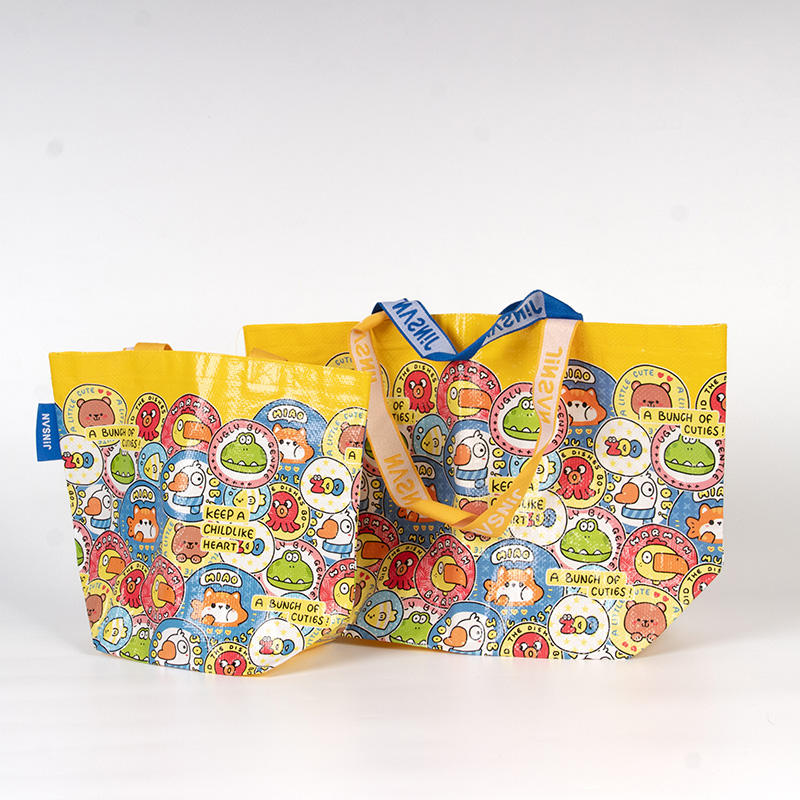
Փաթեթավորման արդյունաբերությունը կատարում է կարևոր փոփոխություն, քանի որ ձեռնարկություններն ու սպառողները միասին պահանջում են մեկանգամյա օգտագործման պլաստմասսայից ավելի հաստատուն այլընտրանքներ: Այս փոփոխության ամենահամոզիչ տարբերակներից են PP Թանգարանների Տուփեր pP գործված տոպրակները, որոնք միավորում են գործնական ամրությունը և համեմատաբար զգալիորեն նվազեցված միջավայրի վրա ազդեցությունը՝ համեմատած սովորական պլաստիկ փաթեթավորման հետ: Այս տոպրակների հաստատուն զարգացման պրոֆիլը հասկանալը այլևս ոչ միայն միջավայրի վերաբերյալ հետաքրքրության հարց է, այլ նաև այն բիզնես-կարևոր որոշումն է, որը անհրաժեշտ է ապրանքանիշերի համար՝ համապատասխանելու զարգացող կանոնակարգերին, սպառողների սպասելիքներին և կորպորատիվ պատասխանատվության հանձնառություններին:
PP գործված պայուսակները արտադրվում են պոլիպրոպիլենից՝ թերմոպլաստիկ պոլիմերից, որը կարող է գործվել մշակվող, ճկուն մահճակազմային կառուցվածքների: Դրանց տարբերակիչ առանձնահատկությունը կայանում է նրանց կրկնակի օգտագործման հնարավորության, վերամշակման կարողության և երկար ծառայության ժամանակահատվածի մեջ, որոնք բոլորը ուղղակիորեն նվազեցնում են փաթեթավորման թափոնների ծավալը՝ ժամանակի ընթացքում: Այս հոդվածը քննարկում է PP գործված պայուսակների հիմնական կայունության չափանիշները՝ սկսած նրանց նյութական կազմությունից և կյանքի ցիկլի ազդեցությունից մինչև պատասխանատու մատակարարման շղթայի պրակտիկաներում դրանց դերը:
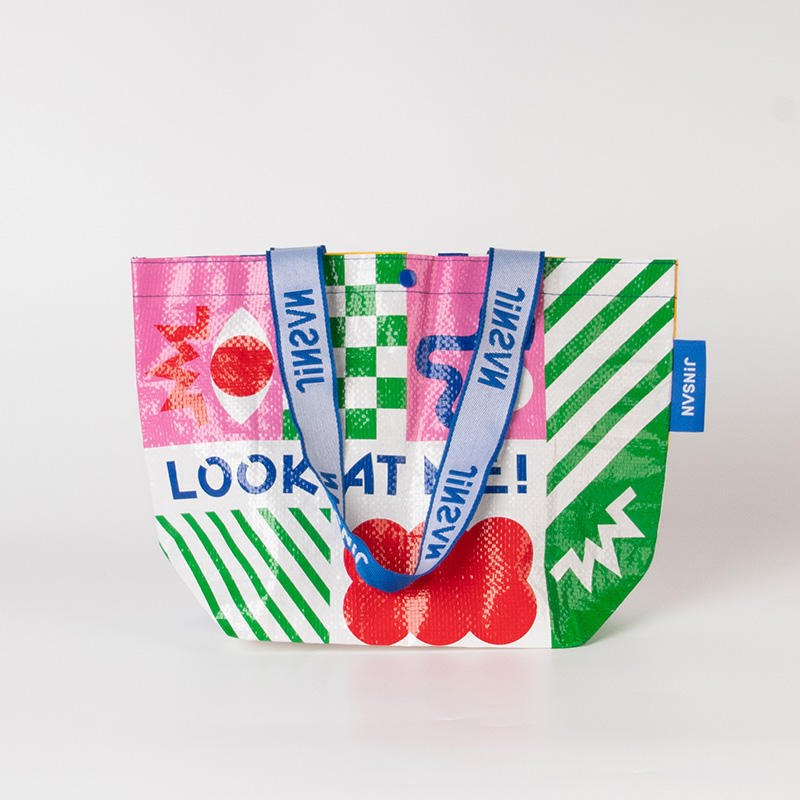
Նյութի հասկացություն. Ինչն է դարձնում պոլիպրոպիլենը կայուն ընտրություն փաթեթավորման նյութ որպես
Պոլիպրոպիլենի բնույթը որպես փաթեթավորման նյութ
Պոլիպրոպիլենը աշխարհում ամենաշատ օգտագործվող պոլիմերներից մեկն է՝ և դա իր հիմքն ունի: Այն թեթև է, քիմիապես կայուն և դիմացկուն խոնավության նկատմամբ, ինչը դրան հարմարեցնում է փաթեթավորման կիրառումների համար մանրավաճառային, գյուղատնտեսական, սննդի և արդյունաբերական ոլորտներում: Երբ պոլիպրոպիլենը մշակվում է ստվարաթղթի տեսքով, այն ստեղծում է նյութ, որն ավելի մեծ մեխանիկական դիմացկունություն ունի, քան ստանդարտ մեկանգամյա պլաստիկ ֆիլմը կամ թուղթը:
Պոլիպրոպիլենային հյուսված պարկերը իրենց կառուցվածքային ամբողջականությունը ստանում են պարկի կորպուսը կազմող միահյուսված պոլիպրոպիլենային շերտերից: Այս հյուսման գործընթացը մեծացնում է ձգման ամրությունը՝ թույլ տալով պարկերին կրել ծանր բեռներ՝ առանց պատռվելու: Նույն ֆիզիկական հատկությունները, որոնք պոլիպրոպիլենին դարձնում են ամուր, նույնպես նպաստում են դրա երկարակեցությանը. մեկ Պոլիպրոպիլենային հյուսված պարկը կարող է օգտագործվել տասնյակ կամ նույնիսկ հարյուրավոր անգամներ, մինչև իր օգտակար կյանքի ավարտը հասնի:
Հաստատուն զարգացման տեսանկյունից մշակույթը մեկն է ամենաքիչ գնահատված ցուցանիշներից: Այն պայուսակը, որը ծառայում է 100 անգամ, ունի արդյունավետորեն ցածր միջին ազդեցություն մեկ օգտագործման համար շրջակա միջավայրի վրա, քան այն պայուսակը, որը վերացվում է մեկ օգտագործումից հետո, նույնիսկ եթե վերջինս պատրաստված է «կենսաքայքայվող» որպես շուկայավարվող նյութից: Այս կյանքի ցիկլի մտածելաձևը հիմնարար է հասկանալու համար, թե ինչու են PP գործվածքային պայուսակները լավ ցուցանիշներ ցուցադրում հաստատուն զարգացման գնահատման ժամանակ:
Վերամշակելիություն և շրջանային տնտեսություն
Պոլիպրոպիլենը դասակարգվում է որպես 5-րդ խեժի նույնականացման կոդ, և այն աշխարհում մետրոպոլիտենային վերամշակման ծրագրերում ամենաշատ ընդունված պլաստմասսաներից մեկն է: PP գործվածքային պայուսակները սկզբունքորեն կարող են վերամշակվել նոր պոլիպրոպիլենային արտադրանքների՝ ծառայության ժամկետի ավարտին, այդ թվում՝ մեբելի մասեր, ավտոմեքենայի մասեր և ոչ գործվածքային մատերիալներ: Սա դրանք դասակարգում է շրջանային տնտեսության շրջանակներում, որտեղ նյութի արժեքը պահպանվում է, այլ ոչ թե կորցվում է սահմանափակ վայրում:
PP-ից պատրաստված գործված պայուսակների վերամշակելիությունը ամենաարդյունավետ է, երբ պայուսակները պատրաստված են մեկ նյութից՝ առանց խառնված նյութերից կազմված շերտավորման, որը բարդացնում է վերամշակման հոսքը: Այս պայուսակները ձեռք բերող ձեռնարկությունները պետք է հաշվի առնեն, թե մատակարարը օգտագործում է արդյոք մեկ նյութից կազմված կառուցվածք, թե այն ակնհայտորեն առանձնացնում է ֆունկցիոնալ շերտերը՝ վերամշակելիությունը պահպանելու համար: Սա ավելի և ավելի կարևոր չափանիշ է դառնում մեծ թվով շուկաներում ընդլայնված արտադրողի պատասխանատվության կանոնակարգերի շրջանակներում կատարվող ձեռքբերման որոշումներում:
Նաև արժե նշել, որ թեև պոլիպրոպիլենը տեխնիկապես վերամշակելի է, իրական վերամշակման ցուցանիշները կախված են առկա ենթակառուցվածքից, սպառողների վարքագծից և հավաքման համակարգերից: Այն բրենդները, որոնք ներդրում են վերադարձման ծրագրերում կամ համագործակցում են վերամշակողների հետ՝ PP-ից պատրաստված գործված պայուսակների վերականգնման համար, ավելի արդյունավետ են փակում շրջանառության շղթան և իրենց կայունության հայտարարությունները հիմնավորում են ստուգելի տվյալներով:
Կյանքի ցիկլի գնահատում. Ապրանքի կյանքի ընթացքում շրջակա միջավայրի վրա ազդեցության համեմատություն
Արտադրության փուլ և ռեսուրսների օգտագործման արդյունավետություն
Պոլիպրոպիլենից (PP) գործված պայուսակների արտադրությունը ներառում է էքստրուզիա, գործվածքի ստացում, կտրում և կարում՝ այն գործընթացները, որոնք պահանջում են էներգիա և հումքի մուտք: Սակայն յուրաքանչյուր օգտագործման հիման վրա չափելիս մշտական PP գործված պայուսակի արտադրության շրջակա միջավայրի վրա ունեցած ազդեցությունը զգալիորեն ցածր է, քան նույն ֆունկցիան կատարելու համար վերամշակվող այլընտրանքային տարբերակների կրկնակի արտադրության ազդեցությունը: Կյանքի ցիկլի գնահատման ուսումնասիրությունները համապատասխանաբար ցույց են տալիս, որ բազմակի օգտագործման փաթեթավորման ձևաչափերը գերազանցում են մեկական օգտագործման տարբերակները շրջակա միջավայրի վրա ազդեցության մեծամասնության ցուցանիշներով, երբ հաշվի են առնվում օգտագործման հաճախականությունը:
Ինքը՝ պոլիպրոպիլենի արտադրությունը, համեմատաբար արդյունավետ է այլ պոլիմերների համեմատ: Այն պահանջում է ավելի քիչ էներգիա, ք чем նայլոնը կամ պոլիէսթերը, իսկ նրա թեթև քաշը նշանակում է, որ յուրաքանչյուր փոխադրման ժամանակ կարելի է տեղափոխել ավելի շատ պայուսակներ, ինչը նվազեցնում է յուրաքանչյուր միավորի տրանսպորտային արտանետումները: Մեծ ծավալներով գնումների որոշումների դեպքում այս արդյունավետությունները կուտակվում են և հանգեցնում բրենդի 3-րդ սկոպի արտանետումների պրոֆիլում նշանակալի նվազեցման:
Տպագրությունը և վերջնական մշակումը նույնպես դեր են խաղում արտադրության փուլի շրջակա միջավայրի վրա ազդեցության պատկերում: PP գործված պայուսակները, որոնք օգտագործում են CMYK տպագրություն ջրի վրա հիմնված ներկերով, ավելի ցածր թույլատրելի տոքսիկոլոգիական բեռ են ստեղծում, քան լուծիչների վրա հիմնված այլընտրանքային տարբերակները: Այն բրենդները, որոնք ունեն ուժեղ շրջակա միջավայրի պաշտպանության քաղաքականություն, պետք է նշեն ներկի տեսակը և վերջնական մշակման քիմիական բաղադրությունը՝ որպես իրենց մատակարարների համար PP գործված պայուսակների մատակարարման պահանջների մաս:
Օգտագործման փուլ. Կրկնակի օգտագործման բազմապատկիչ
Օգտագործման փուլը այն է, որտեղ PP գործված պայուսակները ամենամեծ կայունության առավելությունն են տրամադրում: Ի տարբերություն մեկանգամյա օգտագործման պլաստիկ պայուսակների կամ թղթե պայուսակների, որոնք սովորաբար վերացվում են մեկ կամ երկու օգտագործումից հետո, PP գործված պայուսակները նախատեսված են և օգտագործվում են կրկնաբար: Մանրածախ վաճառքի վայրերում այն սպառողները, ովքեր մեկ և նույն պայուսակը կրում են ամիսներ կամ տարիներ շարունակ, արդյունավետորեն վերացնում են տասնյակ կամ հարյուրավոր մեկանգամյա օգտագործման պայուսակներ թափոնների հոսքից:
Բ2Բ և արդյունաբերական կիրառումներում վերաօգտագործման առավելությունը նույնպես համապատասխանաբար համոզիչ է: Պոլիպրոպիլենից պատրաստված գործվածքային պարկերը, որոնք օգտագործվում են մեծ ծավալներով գյուղատնտեսական ապրանքների, շինարարական նյութերի կամ սննդամթերքի բաղադրիչների համար, կարող են մի քանի անգամ լցվել և դատարկվել՝ մինչև դրանք դուրս գան շահագործման իրենց ժամկետից: Յուրաքանչյուր լրացուցիչ օգտագործման ցիկլ նվազեցնում է պարկի արտադրության միջինացված շրջակա միջավայրի վրա ազդեցությունը, ինչը ֆունկցիոնալ մեկ միավորի համար ընդհանուր կյանքի ցիկլի ազդեցությունը աստիճանաբար փոքրացնում է:
Այն բրենդները, որոնք իրենց պոլիպրոպիլենից պատրաստված գործվածքային պարկերի վրա տպագրում են բարձրորակ գրաֆիկա և հաղորդագրություններ, նույնպես շահում են երկարաձգված բրենդի տեսանելիությունից օգտագործման փուլի ընթացքում: Լավ արտադրված պարկը՝ գրավիչ և մշակումից դիմացկուն տպագրությամբ, երկար ժամանակ մնում է որպես շարժական բրենդի ակտիվ՝ սկզբնական գնման պահից հետո, իսկ այդ արժեքը բազմապատկվում է յուրաքանչյուր վերաօգտագործման ցիկլի ընթացքում:
Պոլիպրոպիլենից պատրաստված գործվածքային պարկերի համար առնչվող էկո-բարենպաստ սերտիֆիկացիաներ և ստանդարտներ
Պոլիպրոպիլենից պատրաստված գործվածքային փաթեթավորման վրա կիրառվող համաշխարհային ստանդարտներ
Մի շարք միջազգային ճանաչում ստացած ստանդարտներ և սերտիֆիկացման ծրագրեր են կապված PP գործված պայուսակների կայունության վավերացման գնահատման հետ: ISO 14001 շրջակա միջավայրի կառավարման սերտիֆիկացումը արտադրության մակարդակում ցույց է տալիս, որ մատակարարը համակարգային վերահսկողություն է իրականացնում էներգիայի օգտագործման, թափոնների առաջացման և շրջակա միջավայրի պահպանման վերաբերյալ պահանջների կատարման վերաբերյալ: PP գործված պայուսակներ մեծ ծավալներով ձեռք բերող գնորդները պետք է առաջնային նշանակություն տան այն մատակարարներին, որոնք ունեն այս սերտիֆիկացումը կամ դրա ստացման գործընթացում են:
Գլոբալ վերամշակված ստանդարտը (GRS) կիրառելի է PP գործված պայուսակների համար, որոնք պարունակում են սպառողների կողմից կամ արդյունաբերության մեջ վերամշակված պոլիպրոպիլեն: GRS սերտիֆիկացումը երրորդ կողմի վերահսկողության միջոցով հաստատում է վերամշակված նյութերի վերաբերյալ հայտարարությունների ճշմարտացիությունը, ինչը արժեքավոր է այն բրենդների համար, որոնք սպառողներին կամ կարգավորող մարմիններին կայունության վերաբերյալ հայտարարություններ են անում: Քանի որ վերամշակված բաղադրիչների պահանջները ամրապնդվում են Եվրոպայում, Ասիայում և Հյուսիսային Ամերիկայում ստեղծվող ստանդարտներում, GRS-ով սերտիֆիկացված PP գործված պայուսակների ձեռքբերումը գնորդներին թույլ է տալիս առաջ անցնել համապատասխանության ժամկետներից:
OEKO-TEX սերտիֆիկացիաները, թեև ավելի հաճախ կապված են տեքստիլ արտադրանքների հետ, կիրառելի են նաև սպառողներին ուղղված կիրառումներում օգտագործվող պոլիպրոպիլենից պատրաստված գործվածքների համար: OEKO-TEX STANDARD 100 ստուգումը հաստատում է, որ նյութը չի պարունակում սահմանափակված շեմերից բարձր վնասակար նյութեր, ինչը հատկապես կարևոր է PP-ից պատրաստված գործվածքային պայուսակների համար, որոնք օգտագործվում են սննդի մանրածախ վաճառքում, երեխաների արտադրանքներում կամ առողջապահական համատեքստում աշխատող բրենդերի կողմից:
Պիտանի ստանդարտների և տեղեկատվության բացահայտության մեջ կայուն տարբերակների մասին հայտարարություններ
«Կանաչ» տարբերակների մասին հայտարարությունների նկատմամբ սպառողների և կարգավորող մարմինների ստուգումը զգալիորեն սրվել է: PP-ից պատրաստված գործվածքային պայուսակները, որոնք շուկայավարվում են որպես էկոլոգիապես մաքուր, պետք է հիմնավորված լինեն հայտարարություններով, այլ ոչ թե անորոշ լեզվով: «Կրկին օգտագործելի», «վերամշակելի» կամ «վերամշակված նյութերից պատրաստված» տերմինները յուրաքանչյուրը որոշակի սահմանումներ են պահանջում՝ համաձայն ԱՄՆ-ում FTC-ի «Կանաչ ուղեցույցների» կամ ԵՄ-ի «Կանաչ հայտարարությունների ուղեցույցի»:
Այն ապրանքանիշները, որոնք մատակարարում են PP գործված սակավներ, պետք է համագործակցեն մատակարարների հետ, ովքեր կարող են տրամադրել նյութի տվյալների թերթիկներ, վերամշակված բաղադրիչների տոկոսային հարաբերակցությունը և ստուգման զեկույցներ, որոնք հիմնավորում են շրջակա միջավայրի պաշտպանության վերաբերյալ հայտարարությունները: Պարզ մատակարարման շղթաները ավելի ու ավելի են դառնում հավաստի էկո-բրենդինգի նախապայման, իսկ PP գործված սակավների շուրջ փաստաթղթերի ենթակառուցվածքը պետք է դիտվի որպես ապրանքի սպեցիֆիկացիայի մաս, այլ ոչ թե որպես հետագա մտահղացում:
Սակավների վրա տպագրված պիտակավորումը նույնպես կարող է անմիջապես հաղորդել շրջակա միջավայրի պաշտպանության վերաբերյալ վստահելի տեղեկություններ վերջնական օգտագործողներին: PP գործված սակավների վրա վերաօգտագործման, վերամշակման կետերի կամ նյութի նույնականացման կոդերի վերաբերյալ հստակ ցուցումները օգնում են սպառողներին մասնակցել պատշաճ վերջնական վերամշակման գործընթացին՝ այն գործոնը, որը բարձրացնում է իրական վերամշակման ցուցանիշները սերտիֆիկացիայից ավելի բարձր մակարդակով:
Փոխանցումը PP գործված սակավների վրա. բիզնեսի և ապրանքանիշի առավելությունները
Կանոնակարգային համապատասխանություն և ռիսկի նվազեցում
Շատ խոշոր շուկաներում մեկանգամյա օգտագործման պլաստիկների վրա սահմանափակող միջոցառումների ճնշումը արագացել է: ԵՄ-ի մեկանգամյա օգտագործման պլաստիկների ուղեցույցը, Չինաստանում ընդլայնված արտադրողի պատասխանատվության սխեմաները, Հնդկաստանի պլաստիկային թափոնների կառավարման կանոնները և ԱՄՆ-ում նահանգային մակարդակով արգելքները վերաձևավորում են փաթեթավորման բնապատկերը: PP գործված պայուսակները՝ իրենց կրկին օգտագործման և վերամշակման հնարավորության շնորհիվ, ընդհանուր առմամբ նախընտրելի դիրք են զբաղեցնում այս կարգավորման շրջանակներում՝ համեմատած մեկանգամյա օգտագործման ֆիլմերից պատրաստված պայուսակների կամ վերամշակվել չկարողացող բաղադրյալ փաթեթավորման հետ:
Այն ձեռնարկությունները, որոնք ակտիվորեն անցում են կատարում PP գործված պայուսակներին, նվազեցնում են իրենց ապագայի համապատասխանության ծախսերի, արգելված նյութերի կապակցությամբ ապրանքների վերադարձման և խնդրահրա вызող փաթեթավորման տեսակների հետ կապված հեղինակության վնասման ռիսկերը: Այս կարգավորման ռիսկերի նվազեցումը ստեղծում է կոնկրետ ֆինանսական փաստարկ կայունության ներդրումների համար, որը համապատասխանում է մատակարարման մենեջերների և գլխավոր ֆինանսական տնօրենների պահանջներին՝ նրանք պետք է ստանան միայն շրջակա միջավայրի արժեքներից ավելի մեկնաբանելի հիմնավորում:
Բազմաթիվ իրավասություններում գործող ընկերությունների համար պոլիպրոպիլենի ընդհանուր կարգավորման ընդունումը որպես վերամշակվող նյութ պարզեցնում է համապատասխանության կառավարումը: PP գործվածքե պայուսակների օգտագործումը որպես հիմնական փաթեթավորման ձև նվազեցնում է տարածաշրջանային հատուկ փաթեթավորման ապահովագրության և փաստաթղթերի պահպանման բարդությունը:
Սպառողների համահամաձայնություն և բրենդի արժեք
Հիմնական մանրավաճառային շուկաներում սպառողների հետազոտությունները համապատասխանաբար ցույց են տալիս, որ կայուն փաթեթավորումը ազդում է գնման որոշումների վրա, հատկապես երիտասարդ դեմոգրաֆիական խմբերի շրջանում: Այն բրենդները, որոնք տեսանելիորեն նվիրված են պատասխանատու փաթեթավորման ընտրությանը՝ ներառյալ PP գործվածքե պայուսակների օգտագործումը, ավելի ուժեղ հուզական կապեր են ստեղծում շրջակա միջավայրի նկատմամբ գիտակցված սպառողների հետ: Սա ոչ միայն մարքեթինգային դիտարկում է, այլև թարգմանվում է չափելի հավատարմության, կրկնակի գնումների մեծացման և caրգավորված գների ընդունման մեջ:
PP-ից պատրաստված գործվածքային պայուսակները առաջարկում են հատուկ հպականության և տեսողական որակ, որը վկայում է դրանց մշակումների և արժեքի մասին: Բարձրորակ CMYK տպագրությամբ հարմարեցվելու դեպքում դրանք հանդես են գալիս որպես caրգավորված բրենդի շփման կետեր, որոնք բարենպաստ համեմատության մեջ են ընկնում ընդհանուր կամ մեկանգամյա սարքավորումների հետ: Լավ նախագծված PP-ից պատրաստված գործվածքային պայուսակի ֆիզիկական ներկայությունը սպառողի տանը՝ օգտագործվելով սննդամթերքի գնումների, մարզասրահ գնալու կամ շուկայի այցերի ժամանակ, ապահովում է բրենդի հիշողության պահպանումը այնպես, ինչպես մեկանգամյա սարքավորումները չեն կարողանում:
B2B գնորդների համար, ովքեր մատակարարում են մանրածախ կամ սննդի սպասարկման հաճախորդներին, PP-ից պատրաստված գործվածքային պայուսակների առաջարկը որպես կայուն սարքավորման պարտատոմսի մաս ամրապնդում է առևտրային հարաբերությունները այն հաճախորդների հետ, ովքեր ունեն սեփական կայունության հանձառաջումները: Գնման գործընթացներում, որտեղ շրջակա միջավայրի չափանիշները գնահատվում են մատակարարների գնահատման ժամանակ, սերտիֆիկացված և փաստաթղթերով հաստատված PP-ից պատրաստված գործվածքային պայուսակների մատակարարման հնարավորությունը կարող է լինել նշանակալի մրցակցային տարբերակիչ:
Հաճախակի տրվող հարցեր
PP-ից պատրաստված գործվածքային պայուսակները իրոք էկոլոգիապես մաքուր են թղթե պայուսակների համեմատ:
PP-ից պատրաստված գործվածքային պայուսակները ավելի մեծ ածխածնի հետք են թողնում արտադրման ընթացքում, քան մեկանգամյա թղթե պայուսակները, սակայն դրանց կայունության առավելությունը բխում է նրանց կրկնակի օգտագործման հնարավորությունից: Երբ դրանք կրկնակի են օգտագործվում իրենց ծառայության ժամանակաշրջանում, PP-ից պատրաստված գործվածքային պայուսակները առաջացնում են զգալիորեն ավելի քիչ թափոններ և ցածր մեկ օգտագործման համար բնապահպանական ազդեցություն, քան թղթե պայուսակները, որոնք սովորաբար մեկ կամ երկու անգամ օգտագործելուց հետո վերացվում են: Կյանքի ցիկլի գնահատումները համապատասխանաբար նախընտրում են կրկնակի օգտագործվող ձևաչափերը, ինչպես օրինակ՝ PP-ից պատրաստված գործվածքային պայուսակները, երբ հաշվի են առնվում իրական օգտագործման մոդելները:
Կարելի է արդյո՞ք PP-ից պատրաստված գործվածքային պայուսակները պատրաստել վերամշակված պոլիպրոպիլենից:
Այո, PP-ից պատրաստված գործվածքային պայուսակները կարելի է արտադրել սպառողների կամ արդյունաբերության կողմից վերամշակված պոլիպրոպիլենից: Global Recycled Standard սերտիֆիկացմամբ օժտված մատակարարները կարող են հաստատել վերամշակված բաղադրիչի տոկոսը և տրամադրել փաստաթղթեր՝ կայունության վերաբերյալ հայտարարությունները ապացուցելու համար: Վերամշակված բաղադրիչի օգտագործումը հետագայում նվազեցնում է նոր պոլիմերի նկատմամբ պահանջը և նվազեցնում պայուսակների վերին հոսանքի բնապահպանական ազդեցությունը:
Ինչպե՞ս պետք է ձեռնարկությունները հաղորդեն սպառողներին PP գործված պայուսակների բնապահպանական հատկանիշները
Ձեռնարկությունները պետք է օգտագործեն կոնկրետ, հիմնավորված լեզու՝ փոխարենը ընդհանուր «բնապահպանական» պիտակների: Այնպիսի հայտարարությունները, ինչպես «կրկնակի օգտագործման համար նախատեսված մինչև X անգամ», «պատրաստված Y% վերամշակված պոլիպրոպիլենից» կամ «վերամշակման ենթակա մասնակցող վայրերում» ավելի հավաստի են և ավելի հիմնավորված՝ սպառողների պաշտպանության և «կանաչ» հայտարարությունների վերաբերյալ կանոնակարգերի շրջանակներում: Այս հայտարարությունների աջակցումը մատակարարների սերտիֆիկատներով և նյութերի տվյալների թերթիկներով ամրապնդում է հայտարարության հավաստիությունը:
Ի՞նչ վերջնական օգտագործման տարբերակներ են գոյություն ունեն PP գործված պայուսակների համար
Ծառայության ժամկետի ավարտին PP գործված պայուսակները կարող են վերամշակվել պոլիպրոպիլենի վերամշակման հոսքերով, եթե գոյություն ունի համապատասխան ենթակառուցվածք: Որոշ բրենդներ և մանրածախ վաճառողներ իրականացնում են վերադարձման ծրագրեր, որոնք հավաքում են օգտագործված պայուսակները արդյունաբերական վերամշակման համար: Եթե տեղական վերամշակման հաստատություններ չկան, PP գործված պայուսակները պետք է վերացվեն ընդհանուր թափոնների միջոցով՝ այլ վերամշակման հոսքերը չաղտոտելու համար: Փակ շրջանառության վերականգնման աջակցություն ցուցաբերող մատակարարների հետ հարաբերությունների մեջ ներդրումներ կատարելը ամենաարդյունավետ միջոցն է PP գործված պայուսակների ծառայության ավարտի կայունությունը մաքսիմալացնելու համար:
Բովանդակության աղյուսակ
- Նյութի հասկացություն. Ինչն է դարձնում պոլիպրոպիլենը կայուն ընտրություն փաթեթավորման նյութ որպես
- Կյանքի ցիկլի գնահատում. Ապրանքի կյանքի ընթացքում շրջակա միջավայրի վրա ազդեցության համեմատություն
- Պոլիպրոպիլենից պատրաստված գործվածքային պարկերի համար առնչվող էկո-բարենպաստ սերտիֆիկացիաներ և ստանդարտներ
- Փոխանցումը PP գործված սակավների վրա. բիզնեսի և ապրանքանիշի առավելությունները
-
Հաճախակի տրվող հարցեր
- PP-ից պատրաստված գործվածքային պայուսակները իրոք էկոլոգիապես մաքուր են թղթե պայուսակների համեմատ:
- Կարելի է արդյո՞ք PP-ից պատրաստված գործվածքային պայուսակները պատրաստել վերամշակված պոլիպրոպիլենից:
- Ինչպե՞ս պետք է ձեռնարկությունները հաղորդեն սպառողներին PP գործված պայուսակների բնապահպանական հատկանիշները
- Ի՞նչ վերջնական օգտագործման տարբերակներ են գոյություն ունեն PP գործված պայուսակների համար